How to add water to a calorimeter
The addition of water to a calorimeter is a key operation to ensure its accurate operation, and it is essential to master the correct method.
The first step is to clarify the water filling position. The water filling port of the calorimeter is generally located on the side or top of the instrument. Check the instrument logo carefully to find the water filling port accurately to avoid the wrong adding position affecting the normal use of the instrument.
The second step is to prepare a suitable water source. Be sure to use purified or distilled water. Impurities and minerals in tap water may interfere with the measurement accuracy of the calorimeter and even cause damage to the internal parts of the instrument.
The third step is to control the amount of water added. Different models of calorimeters have different water addition requirements, so you can refer to the scale line marked in the instrument manual. When adding water, slowly inject it with the help of a funnel to prevent water from overflowing. Too much or too little water will affect the accuracy of heat measurement.
The fourth step is to check the water addition status. After adding water, check whether the water level is stable at the specified scale, and check whether the water addition port is tightly sealed to avoid water leakage during subsequent use and affect the experimental process.
.jpg)
The fifth step is to pay attention to daily maintenance. Regularly clean the periphery of the water outlet to prevent dust and debris from mixing into the water. Before each use, confirm again whether the water volume meets the standard, develop standardized operating habits, prolong the service life of the calorimeter, and ensure the accuracy and reliability of the experimental data.
As long as these steps are followed strictly, the water addition operation of the calorimeter can be easily completed, providing a solid foundation for accurate experiments.
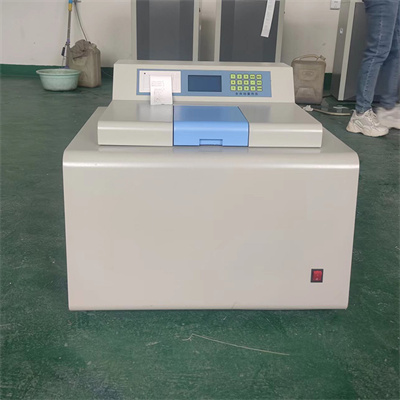 How to read calorimeter data
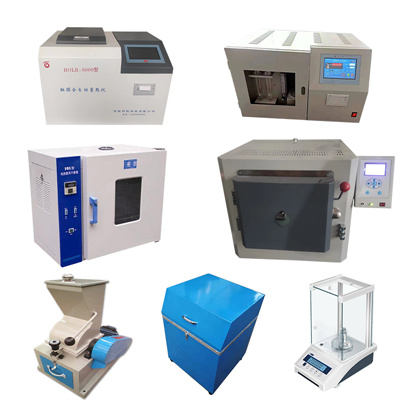 What is the design principle of a calorimeter?
 What is the harm of lack of water in the calorimeter?
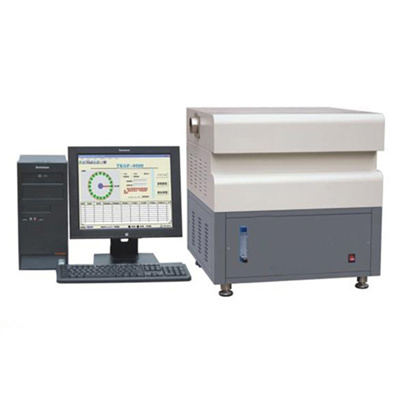 What is the input interface of the calorimeter?