What is the principle of a calorimeter?
calorimeter is a key instrument for accurately measuring the change of heat of substances, and is widely used in energy, chemical, food and other fields. To understand its principle, it is necessary to start with the core logic.
Core principle: conservation of thermodynamic energy
The core of the calorimeter follows the first law of thermodynamics, the law of conservation of energy. When a substance undergoes reactions such as combustion or dissolution, it releases or absorbs heat, which is transferred to the calorimeter's measurement system. By accurately capturing the temperature change of the system and combining the known heat capacity data, the instrument can calculate the heat change of the reaction to achieve quantitative measurement of heat.
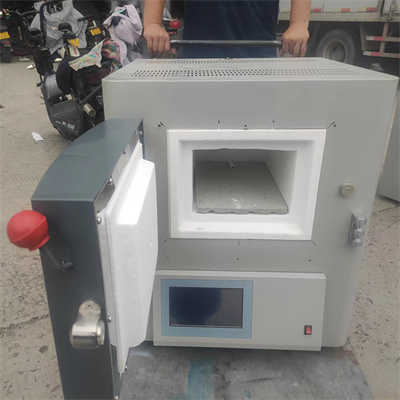
Core structure: the key to ensuring accurate measurement
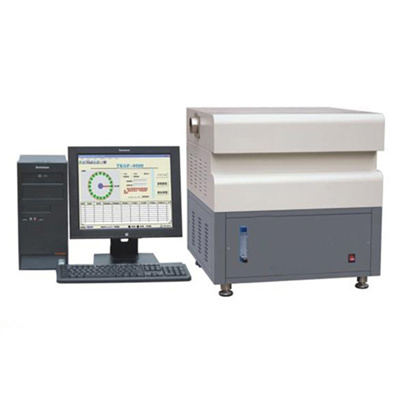
The calorimeter is mainly composed of three parts: a reaction system, a measurement system, and a temperature control system. The reaction system is a place where substances undergo thermal reaction, and it is necessary to ensure airtightness and prevent heat loss; the core of the measurement system is a temperature sensor, which can accurately capture small temperature changes with an accuracy of 0.001 ° C. The temperature control system maintains the stability of the instrument's ambient temperature, avoids external temperature interference, and ensures that the measurement results are not affected by the environment.
Workflow: from reaction to result
When in use, the sample to be tested is first placed in the reaction device. After starting the instrument, the sample reacts under specific conditions to release heat, which is transferred to the measurement system. The temperature sensor collects temperature data in real time. The data processor combines the heat capacity parameters of the instrument to automatically calculate the heat released by the reaction, and finally presents the results on the display screen. The whole process is efficient and accurate.
Mastering the principle of calorimeter can better understand its application logic in various industries and lay the foundation for accurate heat measurement. Whether it is laboratory testing or industrial production control, calorimeters play an irreplaceable role by virtue of their scientific principles.
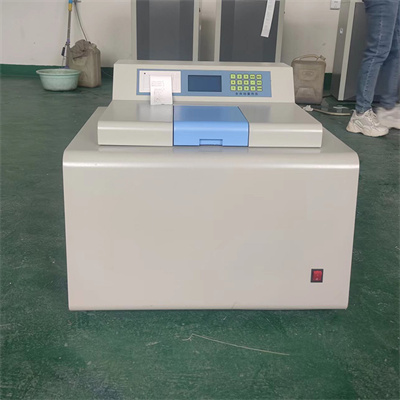 How to read calorimeter data
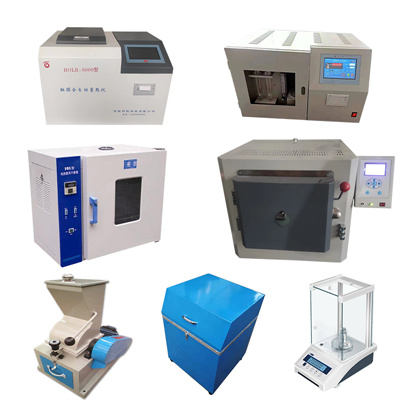 What is the design principle of a calorimeter?
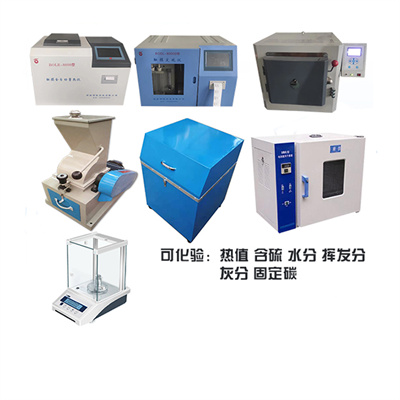 What is the harm of lack of water in the calorimeter?
 What is the input interface of the calorimeter?