Which calorimeter is easy to use?
First, clarify the core needs and identify the purchasing direction
When purchasing a calorimeter, the first step is to clarify your core requirements. If it is mainly used for the calorific value determination of conventional solid and liquid samples, the accuracy requirements are moderate, and the basic automatic calorimeter can meet it; if it involves complex samples, or has high requirements for test accuracy and efficiency, you need to pay attention to high-end intelligent models.
Key performance indicators determine the ease of use
Accuracy is the core: the measurement accuracy of a high-quality calorimeter needs to be controlled within ± 0.1% to accurately capture heat changes and avoid data bias, which is essential for scientific research and quality inspection.
Stability should be up to standard: continuous operation for several hours, the performance of the instrument should not fluctuate significantly, and a stable temperature control system and reliable structural design are the keys to ensuring long-term stable operation.
The ease of operation cannot be ignored: a calorimeter with a smart touch interface and one-click operation can significantly reduce the operating threshold, reduce human error, and improve testing efficiency.
III. Comparison of mainstream types, accurate selection on demand
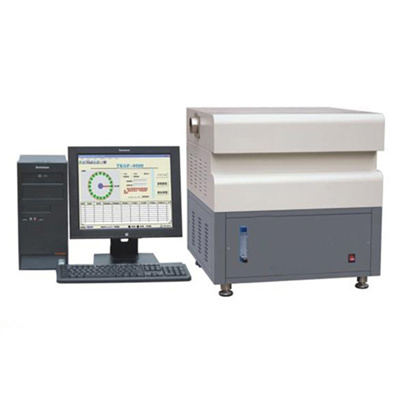
Automatic calorimeter: high degree of automation, from ignition, data collection to result calculation automatic completion of the whole process, suitable for batch sample testing, is the common choice of most laboratories.
Microcomputer calorimeter: equipped with a microcomputer control system, powerful data storage and analysis functions, can customize the test process, adapt to complex test scenarios, and is suitable for users with high requirements for data processing.
Constant temperature calorimeter: designed with a constant temperature environment, it is less affected by external temperature, and the test results are more stable. It is suitable for scenarios with high environmental adaptability requirements.
IV. Practical purchasing suggestions to avoid purchasing mistakes
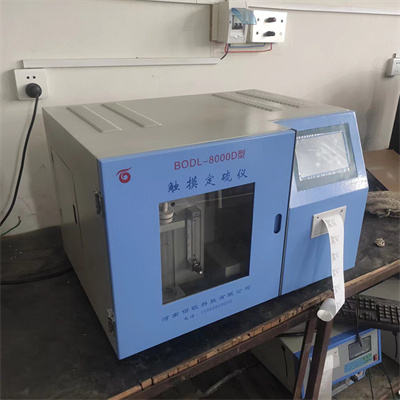
Preference is given to brands with perfect after-sales service to ensure timely maintenance of the instrument when it malfunctions. At the same time, attention is paid to the calibration function of the instrument to facilitate self-calibration in the later stage and ensure test accuracy. Combined with its own budget, under the premise of meeting the core needs, choose the most cost-effective model to choose a really easy-to-use calorimeter.
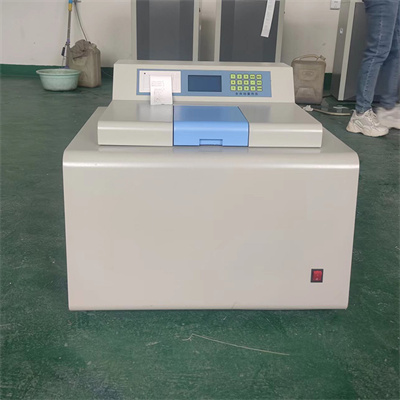 How to read calorimeter data
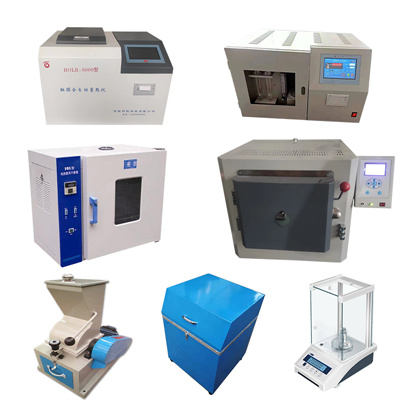 What is the design principle of a calorimeter?
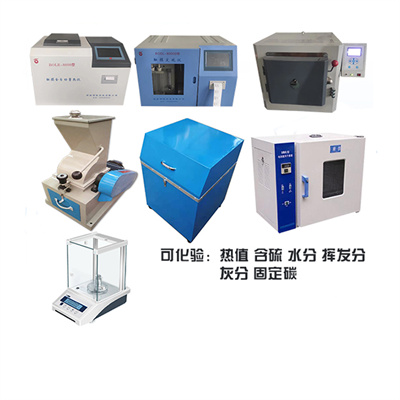 What is the harm of lack of water in the calorimeter?
 What is the input interface of the calorimeter?