How to measure coal with a calorimeter
First, the core principle of coal measurement by calorimeter
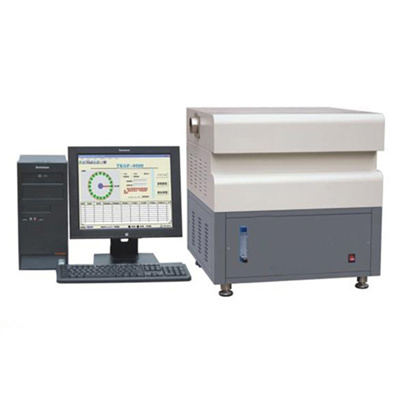
The calorimeter measures the calorific value of coal based on the law of conservation of thermodynamic energy. Coal is fully burned in a sealed oxygen bomb, and the released heat is absorbed by the water in the inner cylinder of the calorimeter. By accurately measuring the change of water temperature and combining the parameters of the instrument, the calorific value of coal can be calculated, which is the key basis for coal quality inspection.
II. Preliminary preparations
1. Instrument calibration: Before use, the heat capacity of the heat meter needs to be calibrated with standard benzoic acid to ensure the accuracy of the instrument measurement. Only instruments with qualified calibration can be tested.
Sample preparation: The collected coal needs to be crushed and ground to make a coal sample with a particle size of less than 0.2 mm, and to ensure that the sample is uniform and free of impurities, accurately weighing about 1 gram of coal sample to 0.0002 grams.
3. Oxygen bomb inspection: carefully check the oxygen bomb to ensure that there is no leakage and that the components are intact. Add 10 milliliters of distilled water to the oxygen bomb to absorb the acid gas generated by combustion and prevent corrosion of the instrument.
III. Specific operation steps
1. Sampling and assembly: Put the weighed coal sample into the combustion dish, place the combustion dish on the bracket of the oxygen warhead, connect the ignition wire to ensure good contact, and then tighten the oxygen bomb cover to ensure a tight seal.
2. Add water and oxygen bomb: Add an appropriate amount of distilled water to the inner cylinder, the water temperature is similar to room temperature, put the oxygen bomb into the inner cylinder, ensure that the oxygen bomb is completely immersed, and connect the ignition electrode and temperature sensor.
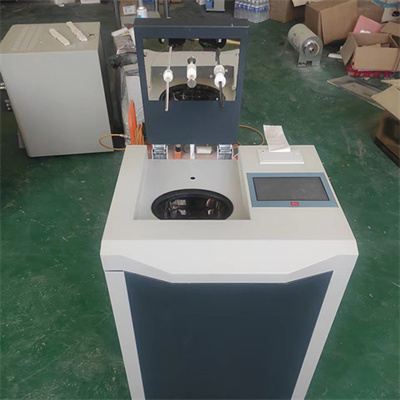
3. Start the test: Close the outer cover of the instrument, set the test parameters, and start the instrument. The instrument will automatically complete the processes of ignition, stirring, temperature measurement, etc., without manual intervention throughout the process, and wait for the end of the test.
4. Data recording and calculation: After the test is completed, the instrument will automatically display the calorific value of the coal cartridge, convert it into high or low calorific value according to demand, and record the relevant data for archiving.
IV. Precautions
The operating environment should be kept at a constant temperature to avoid temperature fluctuations affecting the measurement results. It is best to keep the room temperature between 15 and 30 degrees Celsius.
2. After each test, clean the oxygen bomb and inner cylinder in time to remove residual impurities, ensure the cleanliness of the instrument, and prolong the service life.
3. Strictly abide by the operating specifications to avoid instrument failures or measurement errors due to illegal operations, and ensure accurate and reliable test results.
Mastering the method of measuring coal with a calorimeter can accurately control the quality of coal, provide key data support for coal production, trading, and application, and help related industries operate efficiently.
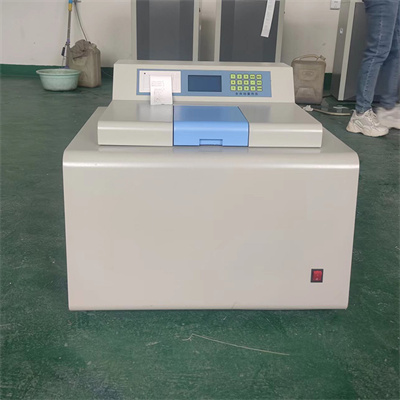 How to read calorimeter data
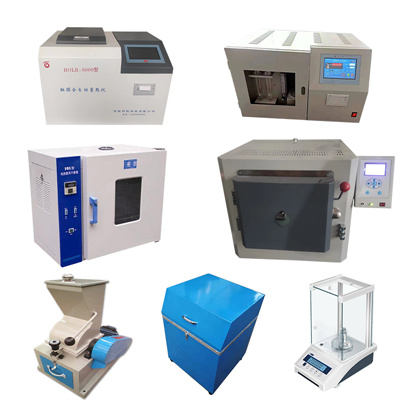 What is the design principle of a calorimeter?
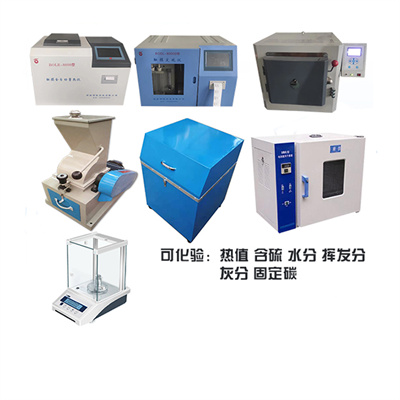 What is the harm of lack of water in the calorimeter?
 What is the input interface of the calorimeter?