How does a calorimeter ignite?
I. Preparation
Before igniting the calorimeter, be sure to be fully prepared. Check whether the appearance of the calorimeter is damaged, and whether the connections of various components are stable. In particular, make sure that the ignition device circuit is not damaged or loose. At the same time, prepare the suitable ignition wire to ensure that its quality is qualified and can conduct current stably. Also ensure that the experimental environment is dry and ventilated to avoid environmental factors affecting the ignition effect.
Install the ignition wire
Fix one end of the ignition wire firmly to the ignition electrode of the calorimeter, paying attention to the tight connection to prevent poor contact. Then, pass the other end of the ignition wire through the burning dish and reserve a suitable length to ensure that the ignition wire can fully contact the sample to create conditions for smooth ignition.
III. Place samples
Place the sample to be tested evenly in the combustion dish. The sample volume should be strictly in accordance with the requirements of the calorimeter manual. Too much or too little will affect the combustion effect and measurement accuracy. After placing, place the combustion dish smoothly into the combustion chamber of the calorimeter to ensure accurate position and avoid sample spilling due to shaking.
IV. Start the ignition procedure
Close the protective door of the calorimeter to prevent heat loss and accidents during combustion. Then, find the ignition button on the operation panel and press to start the ignition program. At this time, the instrument will pass current to the ignition wire, and the ignition wire will quickly heat up and turn red, which will then ignite the sample.
V. Observation and recording
After the sample is ignited, closely observe the combustion situation. If there are problems such as incomplete combustion or extinguishing in the middle, the experiment should be stopped immediately to investigate the cause. When the combustion is over, accurately record the data displayed by the calorimeter to provide a basis for subsequent experimental analysis.
VI. Precautions
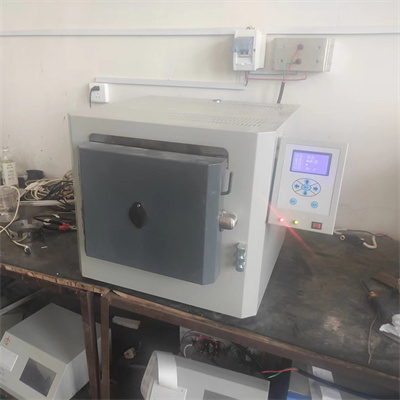
During the operation, be sure to strictly abide by the operating specifications of the instrument and do not change the parameters at will. After each experiment, clean the combustion chamber and combustion dish in time to keep the instrument clean and prepare for the next experiment. If you encounter ignition failure, do not disassemble the instrument yourself, and contact a professional for maintenance.
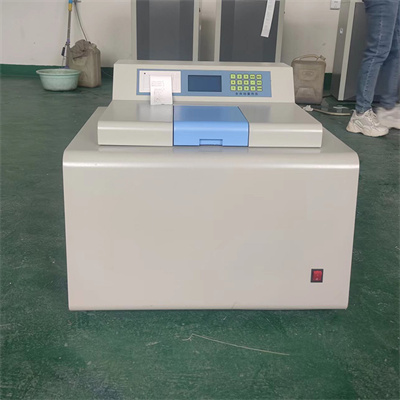 How to read calorimeter data
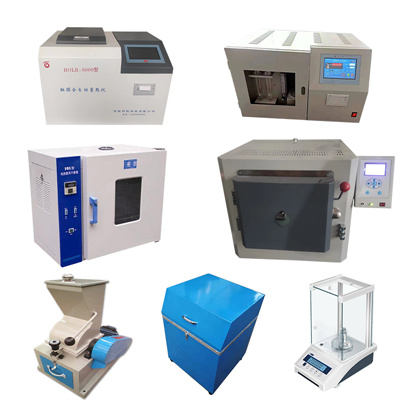 What is the design principle of a calorimeter?
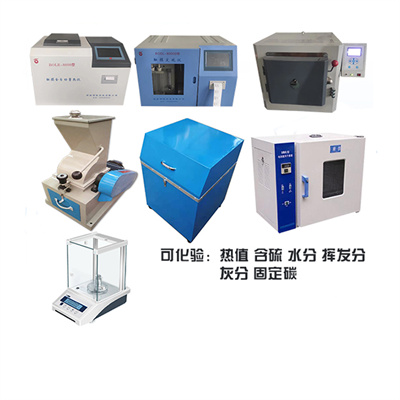 What is the harm of lack of water in the calorimeter?
 What is the input interface of the calorimeter?