How to measure calorific value with a calorimeter
calorimeter is a core instrument for accurately measuring the calorific value of fuel combustion, and is widely used in energy, chemical and other fields. Its measurement principle is based on oxygen bomb calorimetry, and the core logic is to calculate the calorific value of a unit mass of fuel by capturing the heat released by the combustion of the sample.
Before operation, it is necessary to make full preparations: first check the oxygen bomb to ensure that the sealing ring is intact and the electrode is not oxidized to avoid air leakage; then calibrate the balance and accurately weigh the sample to be tested, usually 0.8-1 g for solid samples and 1.0-1 for liquid samples. 5g, the error is controlled within ± 0.1mg; finally inject 10ml of distilled water into the oxygen bomb to absorb the acid gas generated by combustion.
The core measurement steps are divided into three steps: the first step is to load the sample, put the sample into the crucible, fix it on the oxygen bomb electrode, connect the ignition wire to ensure good contact; the second step is to oxygenate and charge 3.0-3 MPa of oxygen into the oxygen bomb to keep it for 15 seconds without leakage; the third step is to put the calorimeter, start the instrument, and trigger the ignition after the temperature stabilizes. The instrument will automatically record the temperature change until the temperature no longer rises and the measurement ends.
Data processing is the key: the instrument will automatically collect the temperature difference before and after combustion, combined with the heat capacity of the instrument (need to be calibrated in advance), through the formula "heat value = heat capacity × temperature difference ÷ sample quality" calculation, and finally obtain the high or low heat value of the sample. The result needs to keep two decimal places to ensure accurate data.
Precautions for operation: The measurement environment needs to be kept at a constant temperature to avoid direct sunlight and strong airflow interference; the oxygen bomb needs to be cleaned after each measurement to prevent the residue from affecting the next result; the heat capacity of the instrument is regularly calibrated to ensure the accuracy of the measurement data and make the measurement of heat value more reliable.
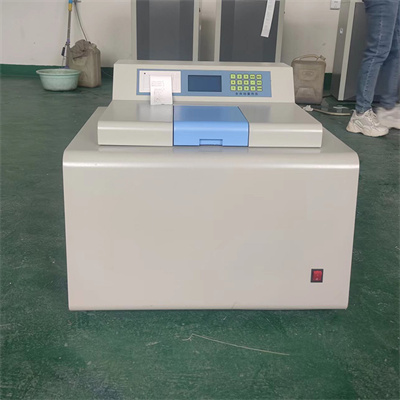 How to read calorimeter data
 What is the design principle of a calorimeter?
 What is the harm of lack of water in the calorimeter?
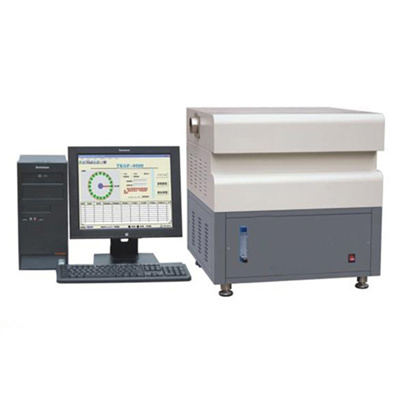 What is the input interface of the calorimeter?