What water is added to the calorimeter?
The core principle of adding water to a calorimeter: dedicated water is the key
As the core equipment for accurately detecting the heat of a substance, the calorimeter's water addition process directly determines the accuracy of the test results, and it is by no means random water extraction. The calorimeter needs to use purified water or distilled water, which has high purity and no impurities, minerals and electrolytes, which can avoid the deviation of the detection data due to impurities in the water participating in the reaction or affecting the heat conduction. It is strictly forbidden to use tap water, mineral water, etc. The calcium and magnesium ions and impurity particles contained in this water will interfere with the heat exchange process of the calorimeter, and even corrode the internal parts of the instrument, seriously affecting the service life and detection accuracy of the instrument.
Specific specifications and precautions for adding water
1. Water quality control: strictly screen water sources that meet standards
Preference is given to pure water that meets laboratory standards. If conditions are limited, distilled water is also a high-quality choice. Check the water quality before adding water to ensure that there is no turbidity or precipitation, and avoid introducing errors due to substandard water quality. At the same time, regularly test the water source to ensure that the water quality always meets the requirements of the calorimeter.
2. Water addition control: accurately match instrument requirements
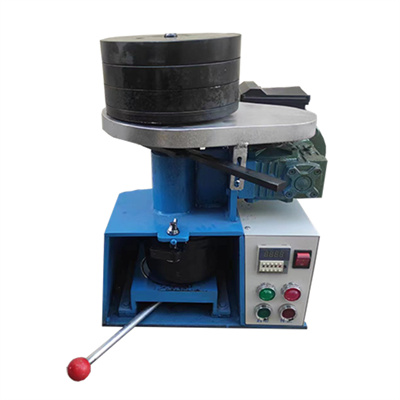
Different types of calorimeters have clear standards for the amount of water added, and must be operated in strict accordance with the instrument instructions. Adding too much or too little water will affect the heat transfer efficiency and lead to distorted test results. When adding water, it is recommended to use a special measuring tool to accurately control the amount of water to ensure that each addition of water meets the setting range of the instrument.
3. Details of water addition operation: standardized operation to ensure safety
Before adding water, turn off the power of the calorimeter, and wait for the instrument to cool to room temperature before operating to avoid damage to the instrument or safety accidents caused by adding water at high temperature. During the water addition process, pour it slowly to prevent water splashing. If water spills out accidentally, wipe it clean in time to keep the outside of the instrument dry to avoid moisture seeping into the inside of the instrument and causing short circuit or component rust.
Maintenance and inspection after adding water
After adding water, it is necessary to confirm again that the water volume is up to standard, and then turn on the instrument for preheating and calibration. If abnormal test results are found, it is necessary to check whether the water quality and amount of water added meet the requirements as soon as possible, replace the water that meets the standards in time and adjust the amount of water. In daily use, the water tank of the calorimeter should be cleaned regularly to avoid scale accumulation, ensure that the instrument is always in a stable and accurate operating state, and provide reliable support for the detection work.
 How to read calorimeter data
 What is the design principle of a calorimeter?
 What is the harm of lack of water in the calorimeter?
 What is the input interface of the calorimeter?