How to Determine the Quality of a Calorimeter
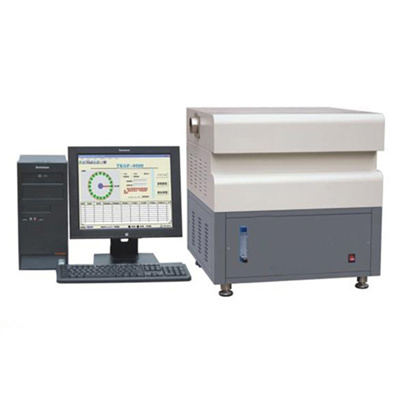
In the coal, chemical and other industries, calorimeters are key equipment for accurately measuring the calorific value of substances, and their performance directly affects the test results. So, how to judge the quality of a calorimeter? The following key points need to be mastered.
Accuracy is the core indicator: accuracy directly reflects the measurement accuracy of the calorimeter. The measurement accuracy of a high-quality calorimeter should comply with national standards. Generally, the repeatability limit and reproducibility limit of calorific value measurement are strictly stipulated. For example, when measuring the same reference material multiple times, the deviation of the results should be controlled within a very small range. Standard benzoic acid with known calorific value can be measured repeatedly. If the range of multiple measurement results is within the specified allowable error, it means that the accuracy of the instrument is up to standard. On the contrary, a calorimeter with poor accuracy has large fluctuations in measurement data and cannot provide a reliable basis for production.
Stability cannot be ignored: stability is related to whether the calorimeter can continue to work stably. A good calorimeter can maintain relatively stable measurement results even if there are certain fluctuations in ambient temperature, voltage, etc. during long-term operation. In practice, the calorimeter can be run continuously for several hours to observe the changes in the results of measuring the same sample. If the results are stable, it indicates that the instrument is stable; if the data is high or low, the stability is poor, and it is difficult for such instruments to ensure the consistency of detection.
Convenience of operation affects efficiency: A calorimeter with convenient operation can greatly improve work efficiency. High-quality calorimeters usually have a user-friendly operation interface, clear menus, simple and easy-to-understand operation steps, and staff can get started quickly. At the same time, highly automated instruments, such as automatic water addition, automatic stirring, automatic calculation and other functions, not only reduce human operation errors, but also save a lot of time. The calorimeter with complex operation and frequent manual adjustment not only increases the difficulty of operation, but also easily affects the detection results due to operation errors.
Brand and after-sales guarantee: Well-known brands of calorimeters are often more secure in research and development, production process and quality control. When choosing, give priority to brand reputation and market recognition. Brands with good reputation are more trustworthy in product performance and quality. In addition, perfect after-sales services are also crucial. When the instrument fails, whether the manufacturer can respond in time and provide maintenance services directly affects the normal use of the instrument. Reliable after-sales can ensure that the instrument recovers quickly in the event of a problem and avoid delaying the work progress.
To judge the quality of a calorimeter, it is necessary to comprehensively consider various factors such as accuracy, stability, ease of operation, and brand after-sales. By mastering these points, a calorimeter with excellent performance can be accurately selected to escort production and testing.
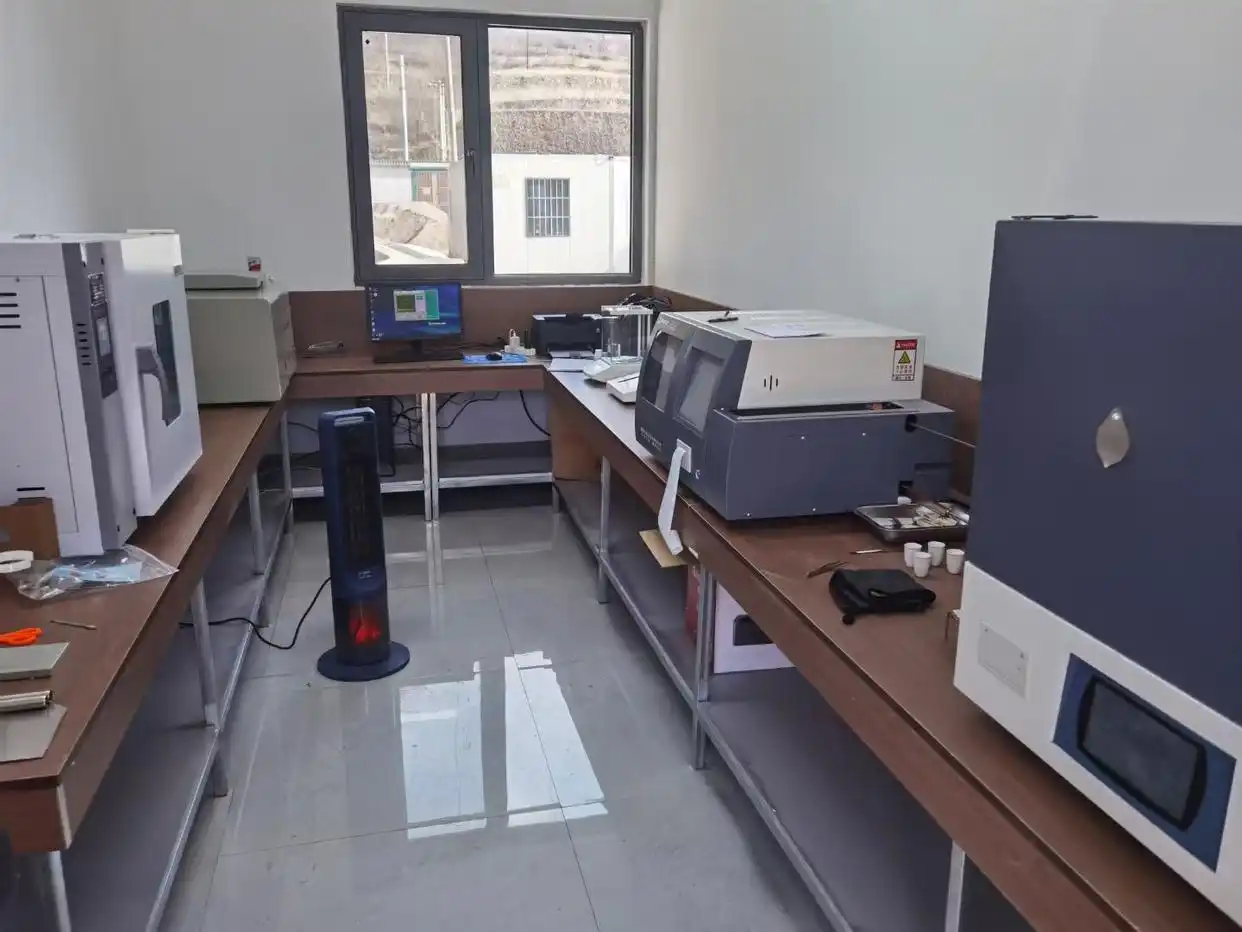
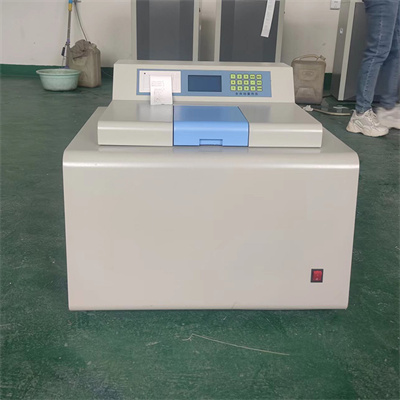 How to read calorimeter data
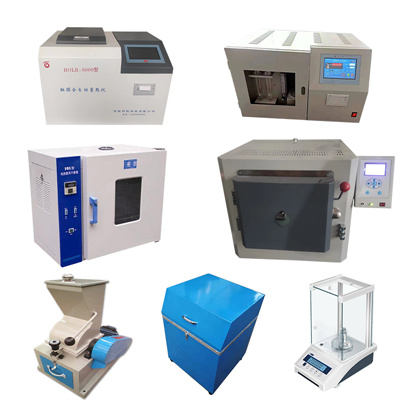 What is the design principle of a calorimeter?
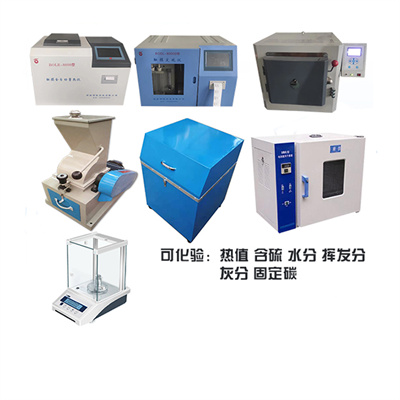 What is the harm of lack of water in the calorimeter?
 What is the input interface of the calorimeter?