How to read a calorimeter
In many industries, such as energy, chemical, and food, calorimeters are the core equipment for accurately detecting the heat of substances. Mastering their relevant knowledge is crucial to improving detection efficiency and data accuracy.
First, clarify the core principle of the calorimeter
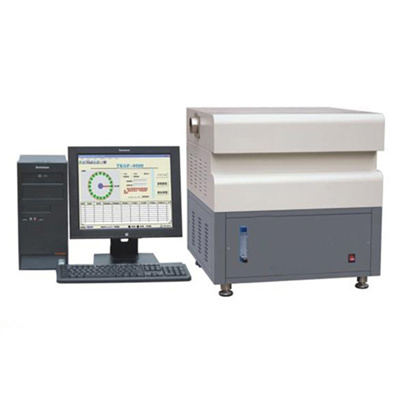
The operation of the calorimeter is based on the laws of thermodynamics, and the core logic is to let the substance to be tested fully burn in a closed environment, and calculate the calorific value of the substance by capturing the heat change. The common constant temperature calorimeter relies on water as the heat transfer medium, and the heat released by combustion is absorbed by the water. The heat value can be accurately calculated through the change of water temperature. The principle is clear and the detection stability is strong.
Second, master the correct use of the calorimeter
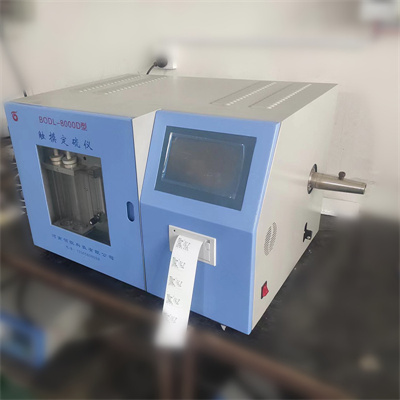
1. Pre-preparation: Before starting the machine, check the equipment wiring and the air tightness of the oxygen bomb to ensure no leakage; at the same time, calibrate the temperature sensor to ensure the accuracy of the initial data, which is the basis for reliable detection.
2. Sample processing: The sample to be tested should be crushed and weighed according to the standard. When loading the crucible, ensure that the sample is uniform to avoid insufficient combustion affecting the results. The sample quality error should be controlled within the specified range.
3. Operation process: Put the sample into the oxygen bomb, fill it with enough oxygen and then load it into the calorimeter, start the detection program, pay attention to the running status of the equipment throughout the process, and wait for the end of the test to record and export the data. Do a good job of checking the results.
III. Grasp the key points of purchasing a calorimeter
1. Precision priority: Choose accuracy according to industry needs, high-precision equipment with an accuracy of less than ± 0.1% is required for scientific research and high-end production scenarios, and products with moderate accuracy can be selected for general testing to meet the needs.
2. Stability considerations: A high-quality calorimeter should have a stable temperature control system that can withstand ambient temperature fluctuations, with small deviations in long-term operating data, avoid frequent calibration, and reduce operating costs.
3. Brand and after-sales: Preference is given to brands with good reputation and mature technology. Such brands have guaranteed equipment quality and can provide perfect after-sales service, solve equipment failures in a timely manner, and ensure continuous testing.
In short, to understand the calorimeter, it is necessary to apply multi-dimensional force from the principle, use, and purchase, and to understand these points thoroughly, so that the calorimeter can play the greatest value in the detection work and build strong data support for production and scientific research.
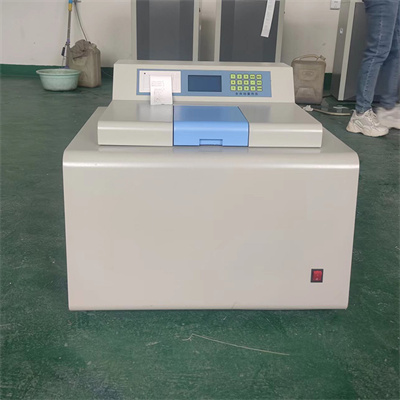 How to read calorimeter data
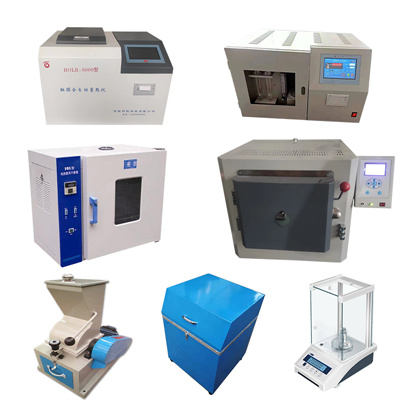 What is the design principle of a calorimeter?
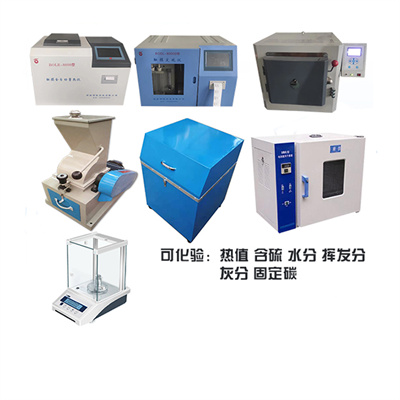 What is the harm of lack of water in the calorimeter?
 What is the input interface of the calorimeter?