How do you see the calorimeter data?
In the fields of energy, chemical industry, etc., calorimeters are an important tool for obtaining key data, and it is crucial to view their data correctly. Here is a detailed introduction to how to view calorimeter data.
Familiar with basic data metrics
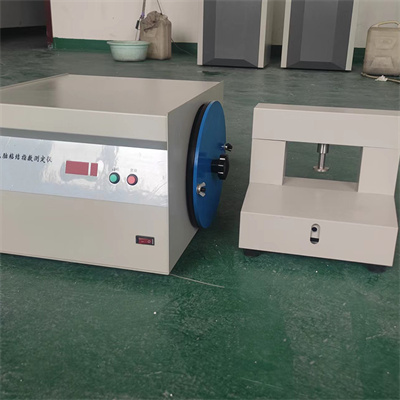
The core data output by the calorimeter, such as calorific value, heat capacity, etc., is the basic and key content. The calorific value directly reflects the energy released by the combustion of the substance, and the unit is usually Joule/gram or MJ/kg. Different samples correspond to the reference value of the standard calorific value. If the measured value deviates greatly, it is necessary to check the sample or instrument problem. The heat capacity reflects the heat required for the instrument to heat up by 1 ° C. The stable heat capacity after calibration is the guarantee of accurate data. When the fluctuation exceeds the range, the state of the instrument should be checked.
Analyze data curve laws
The calorimeter will generate a curve of temperature changes over time. The temperature of the normal curve is stable in the early stage, rises rapidly after ignition, and stabilizes in the later stage. If there are abnormal fluctuations in the curve, such as slow rise or sudden drop in the middle, it may be caused by ignition failure, sample moisture or instrument failure, and the problem of curve shape positioning needs to be combined.
Verify the reasonableness of the data
When looking at the data, consider the sample characteristics and industry standards. For example, coal samples, the calorific value should be within a reasonable range, beyond the conventional range of the industry. Check whether the sample is uniform and whether the instrument is calibrated. At the same time, compare the multiple measurement data. If the deviation is too large, it needs to be re-measured to ensure the reliability of the data.
Mastering these methods allows for efficient and accurate understanding of calorimeter data, providing strong support for experimentation and production.
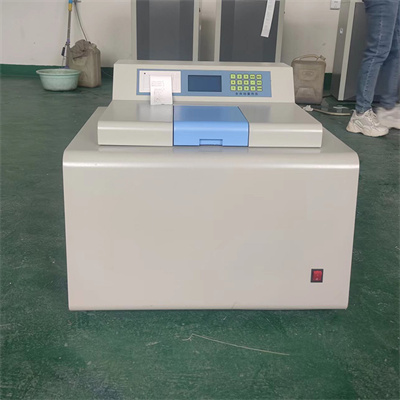 How to read calorimeter data
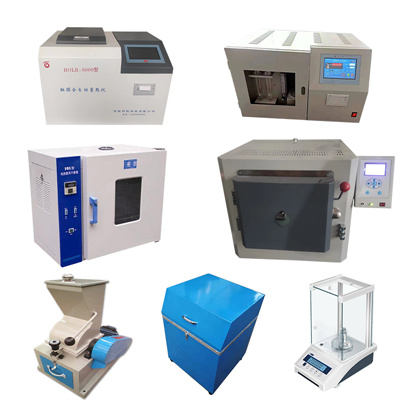 What is the design principle of a calorimeter?
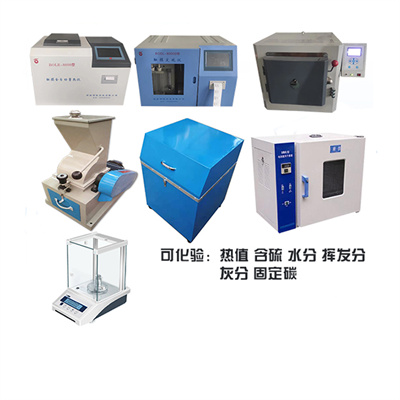 What is the harm of lack of water in the calorimeter?
 What is the input interface of the calorimeter?