How to clean calorimeter scale
The harm of scale in calorimeter
During the long-term use of the calorimeter, minerals in the water tend to form scale inside the instrument. Scale not only affects the heat transfer efficiency of the calorimeter, resulting in deviations in the measurement results, but also may corrode the components of the instrument and shorten the service life of the instrument. Therefore, it is necessary to clean the scale of the calorimeter regularly.
Preparation before cleaning
1. Safety protection: Wear protective equipment such as rubber gloves and goggles to avoid contact with the skin and eyes.
2. Tool preparation: Prepare suitable cleaning agents, such as citric acid solution or special instrument descaling agent, as well as soft brushes, clean rags, water, etc.
Specific cleaning steps
1. Disassemble the parts: According to the instruction manual of the calorimeter, carefully remove the parts that need to be cleaned, such as the liner, heating tube, etc. Pay attention to marking to avoid errors during installation.
2. Soaking and descaling: soak the removed parts in the configured cleaning agent solution. Generally, the concentration of citric acid solution can be controlled at 5% - 10%, and the soaking time depends on the severity of the scale, usually 1-2 hours. If the scale is thick, the soaking time can be appropriately extended.
3. Brush cleaning: After soaking, gently brush the surface of the parts with a soft brush to brush off the stubborn scale. Be careful not to use hard brushes or sharp tools to avoid scratching the surface of the instrument.
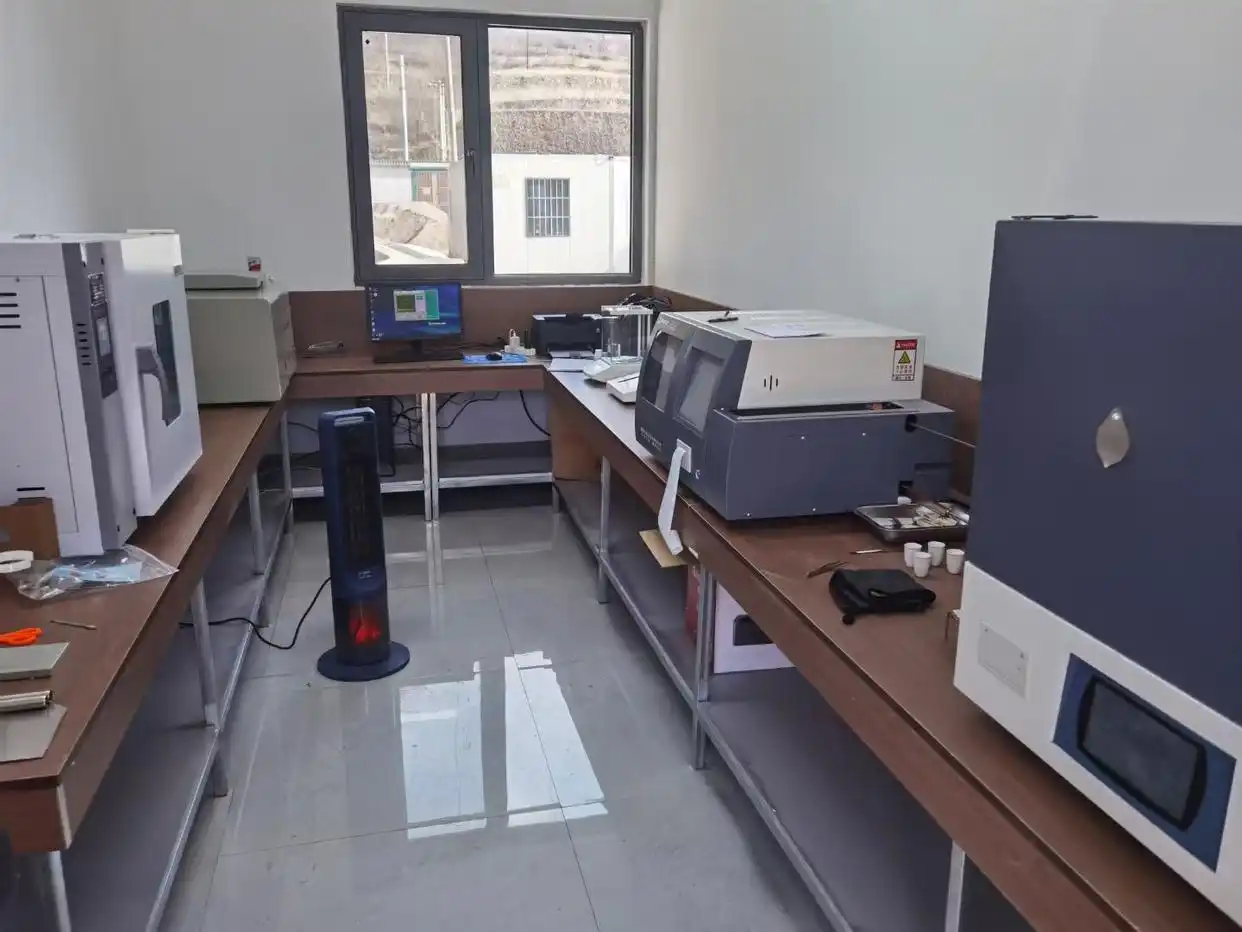
4. Rinse with water: Rinse the parts with a lot of water to ensure that no cleaning agent remains.
5. Dry installation: Put the cleaned parts in a well-ventilated place to dry naturally, or dry them with a clean rag. After confirming that the parts are completely dry, install the calorimeter according to the marks.
Precautions after cleaning
1. Inspection and calibration: After cleaning, check and calibrate the calorimeter to ensure accurate measurement.
2. Daily maintenance: To reduce scale generation, it is recommended to use distilled water or deionized water as the working water for the calorimeter, and to maintain the instrument regularly.
Mastering the correct scale cleaning method of calorimeter can not only ensure the normal operation of the instrument, but also prolong its service life and provide accurate and reliable data support for experimental work.
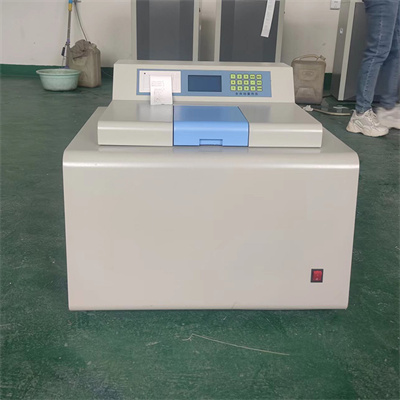 How to read calorimeter data
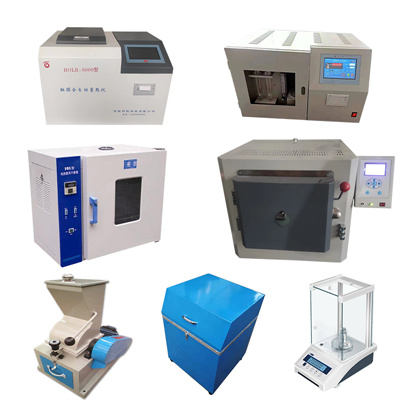 What is the design principle of a calorimeter?
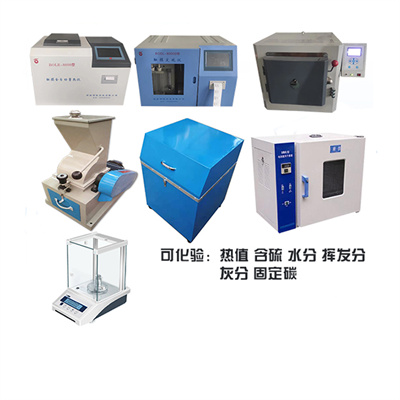 What is the harm of lack of water in the calorimeter?
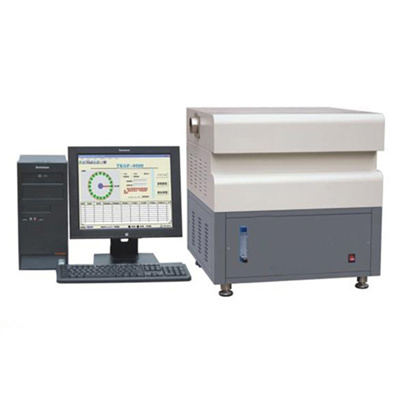 What is the input interface of the calorimeter?