How to Determine the Water Lack of a Calorimeter
In the laboratory and various testing scenarios, the calorimeter is the key equipment for accurately measuring heat, and its water shortage will seriously affect the measurement accuracy and instrument life. Mastering the method of judging the water shortage of the calorimeter is crucial to ensure the accuracy of the experiment.
Visual observation of water level signs
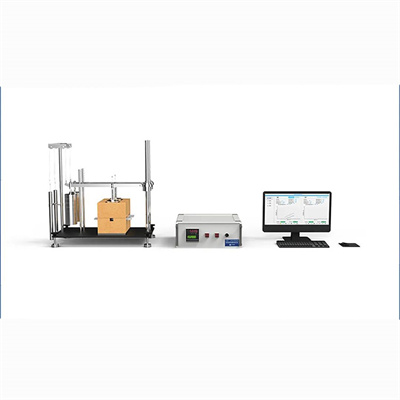
Most calorimeters are equipped with a water level observation window or water level scale. Before the normal operation of the instrument, carefully check the water level logo. If the water level is significantly lower than the lowest scale, it is highly likely that the calorimeter is in a state of water shortage. The water level observation window of some instruments is made of transparent material, which can directly observe the internal water volume. Once the water volume is found to be insufficient, it needs to be replenished in time.
Pay attention to the abnormal sound of the instrument operation
When the calorimeter is short of water, its internal pump or circulation system may be idling due to lack of water, generating abnormal sound. This sound is usually different from the smooth noise during normal operation, and is manifested as sharp, harsh or intermittent noise. Once you hear such abnormal sound, you should immediately stop the operation of the instrument to check whether it is short of water and avoid damage to parts due to lack of water.
Pay attention to abnormal temperature fluctuations
When the calorimeter is short of water, the heat dissipation function will be affected, resulting in abnormal fluctuations in the temperature of the instrument. During normal operation, the temperature of the instrument will be stable in a reasonable range, while when there is a lack of water, the temperature may rise rapidly or fluctuate unstable. Through the temperature display screen that comes with the instrument, the temperature change can be monitored in real time. If any temperature abnormalities are found, it is necessary to check whether it is caused by lack of water.
Check the alarm prompt function
Most modern calorimeters have the function of water shortage alarm. When the instrument detects that the water volume is insufficient, it will issue an alarm through sound and light alarm, screen prompt, etc. Once the instrument issues an alarm signal, be sure to check the alarm information as soon as possible to confirm whether it is a water shortage alarm, and follow the instrument operation manual to replenish water.
Periodic water testing
To ensure that the calorimeter is always in good working condition, it is recommended to develop a regular water testing plan. Conduct a comprehensive inspection of the water volume of the instrument once a week or month to record the water level changes and detect potential water shortage hazards in a timely manner. Through regular testing, not only can water shortage problems be avoided, but also the service life of the instrument can be extended and the accuracy of the experimental data can be guaranteed.
Mastering the above methods for judging the lack of water in a calorimeter can help you detect and solve problems in a timely manner, ensure the stable operation of the calorimeter, and provide reliable data support for experiments.
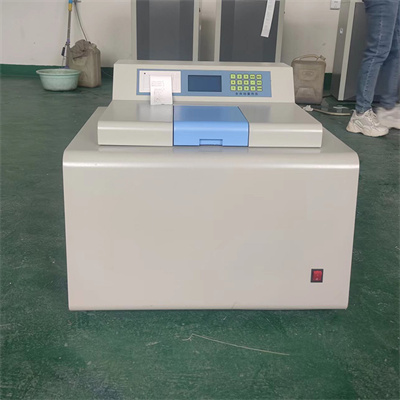 How to read calorimeter data
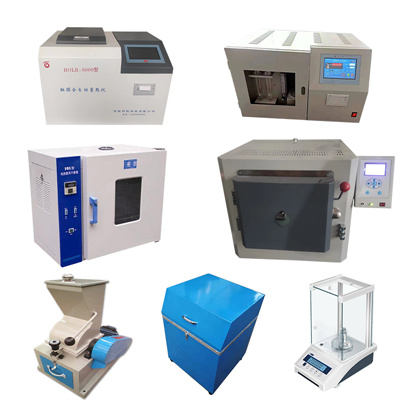 What is the design principle of a calorimeter?
 What is the harm of lack of water in the calorimeter?
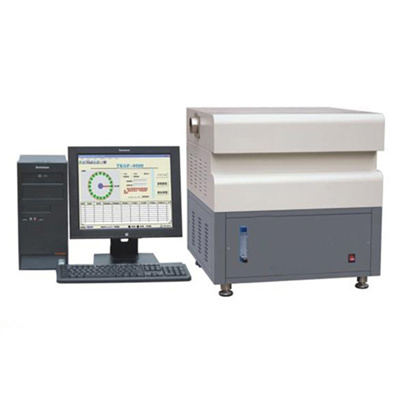 What is the input interface of the calorimeter?