What metrics does the calorimeter measure?
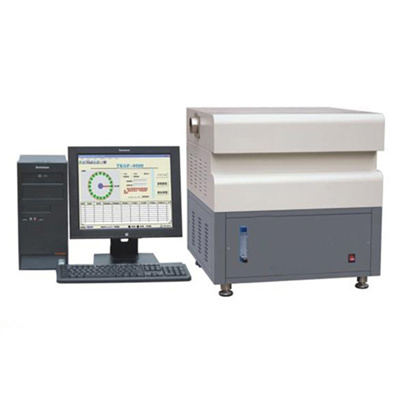
As a key equipment in the field of energy detection, calorimeters can accurately measure a number of core indicators, providing a key basis for energy quality assessment and combustion efficiency analysis.
Calorific value is one of the core measurement indicators of a calorimeter. It refers to the heat released when the unit mass of fuel is completely burned, and is divided into high-level calorific value and low-level calorific value. The high-level calorific value includes the latent heat released by the condensation of water vapor into water generated by fuel combustion, while the low-level calorific value deducts this part of the heat, which is closer to the actual combustion scene and is of great significance to boiler operation and fuel deployment.
Calorific value is closely related to calorific value and is a key indicator to measure the energy value of fuel. Measuring calorific value through a calorimeter can intuitively judge fuel quality, help enterprises screen cost-effective fuels, and optimize energy costs.
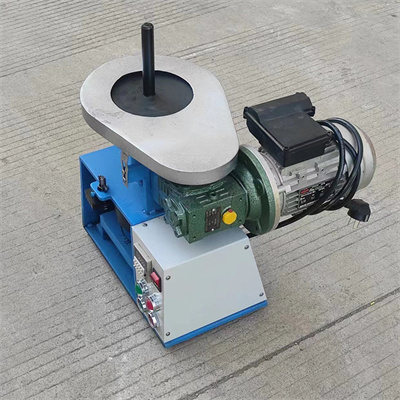
Combustion heat is also an important measurement content of calorimeter. It reflects the energy released by substances during combustion, which is indispensable for studying the energy changes of chemical reactions and developing new energy materials. It provides data support for energy technology innovation.
In addition, the calorimeter can also assist in measuring the sulfur content, nitrogen content, and other related indicators of the fuel. Although these data are not direct calorie values, they can comprehensively evaluate the environmental impact of fuel combustion and help enterprises achieve green production.
Mastering the measurement indicators of the calorimeter can accurately control energy quality, improve energy utilization efficiency, and lay a solid foundation for the efficient and environmentally friendly development of the energy industry.
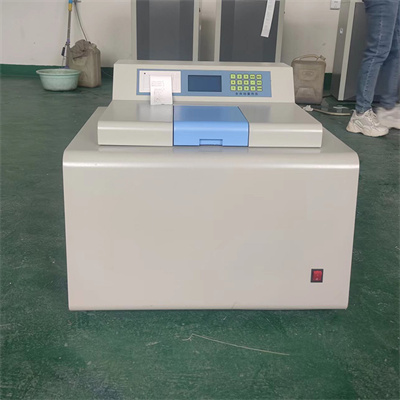 How to read calorimeter data
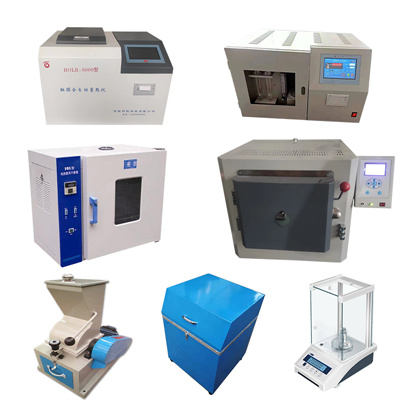 What is the design principle of a calorimeter?
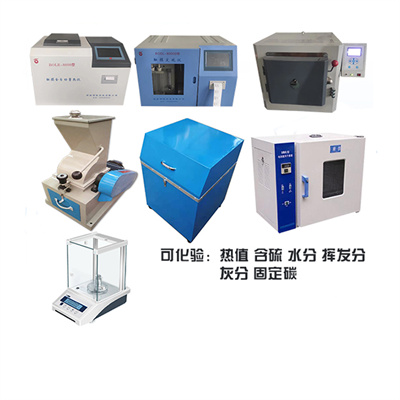 What is the harm of lack of water in the calorimeter?
 What is the input interface of the calorimeter?