How to set the calorimeter calorific value
Preparation before setting the calorimeter calorific value
Before setting the calorimeter's calorific value, ensure that the instrument is in normal working condition. Carefully check whether the components of the instrument are firmly connected, the power supply is stable, and the temperature of the experimental environment is stable to avoid interference with the measurement results due to environmental factors. In addition, prepare samples that meet the standard requirements to ensure that the samples are uniform, dry and representative, which is the basis for accurately setting the calorific value.
Enter the settings interface
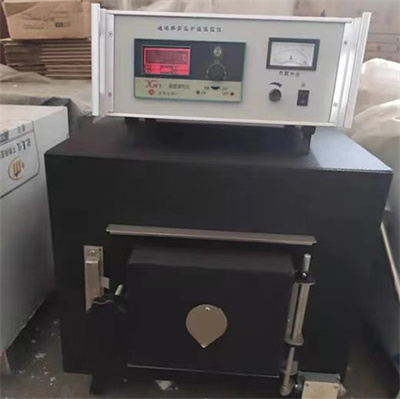
Turn on the power of the calorimeter. After the instrument completes the self-test and enters the main interface, find the "Parameter Settings" or "Calorific Value Settings" options. Different models of calorimeters may have slightly different operation methods to enter the setting interface. Generally, you can enter through the buttons on the instrument panel or the touch screen. After entering the setting interface, you will see a series of parameter options related to calorific value.
III. Key parameter settings
1. Reference calorific value setting: Accurately enter the reference calorific value according to the calorific value of the reference material used. This is an important basis for subsequent calculation and calibration, and it is necessary to ensure that the input value is accurate. For example, if benzoic acid is used as a reference material, it needs to be set according to its known exact calorific value.
2. Sample quality input: accurately weigh the sample quality and enter the corresponding value in the setting interface. The accuracy of the sample quality directly affects the calorific value measurement result, and a high-precision balance should be used for weighing and recording.
3. Temperature compensation setting: Considering the influence of ambient temperature on measurement, temperature compensation setting is required. According to the instrument manual and actual ambient temperature, adjust the temperature compensation coefficient reasonably to eliminate errors caused by temperature fluctuations.
IV. Calibration and Verification
After the parameter setting is completed, the calibration operation is carried out. Experiments are carried out using reference materials with known calorific values to observe whether the measurement results are consistent with the standard values. If there is a deviation, fine-tune the relevant parameters according to the instrument prompts or operation manual until the measurement results meet the requirements. After the calibration is completed, another verification experiment is carried out to ensure the accuracy and stability of the setting.
V. Precautions
During the setup process, it is necessary to strictly follow the instrument operating procedures to avoid misoperation leading to wrong parameter settings. At the same time, regularly maintain and calibrate the calorimeter to ensure stable performance of the instrument. After the experiment, clean the instrument in time to keep the instrument clean and prepare for the next experiment. Through the above steps, you can accurately complete the calorimeter's calorific value setting and obtain reliable calorific value measurement results.
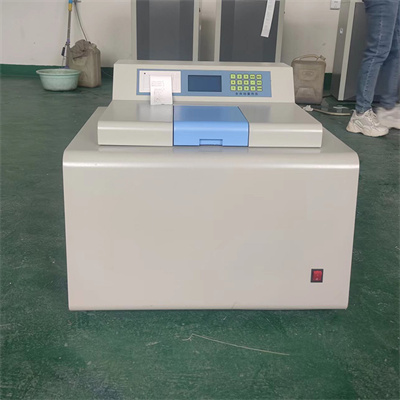 How to read calorimeter data
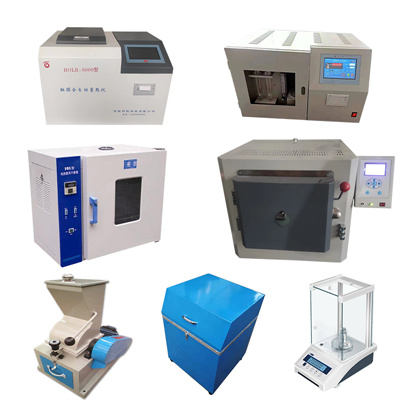 What is the design principle of a calorimeter?
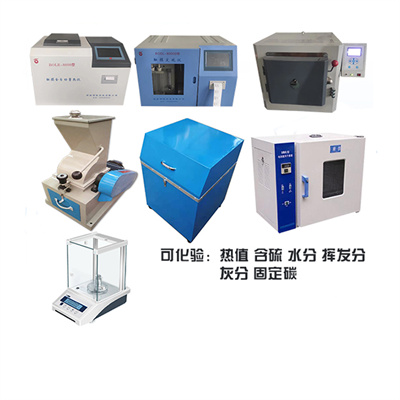 What is the harm of lack of water in the calorimeter?
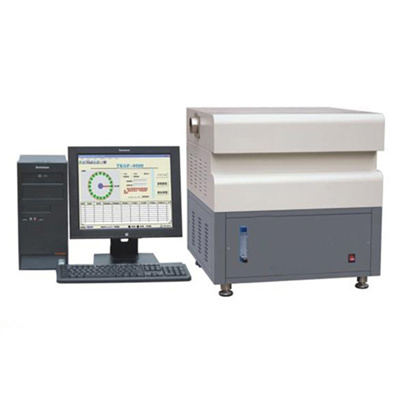 What is the input interface of the calorimeter?