How to check the calorific value of a calorimeter
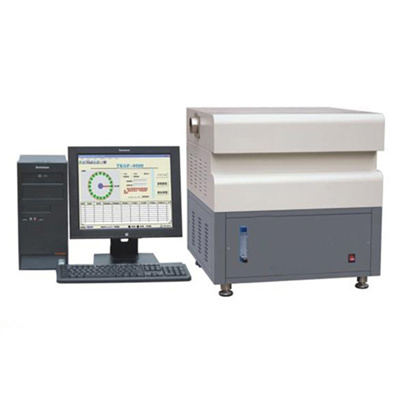
calorimeters are the core equipment for accurately measuring the calorific value of fuels and materials. They are widely used in energy, chemical and other fields. Mastering their calorific value detection methods is crucial to ensuring the accuracy of experimental data. The following is the detailed operation process.
The first step is to make early preparations
Before testing, it is necessary to ensure that the appearance of the calorimeter is intact, the power connection is stable, and the analytical balance, dryer and the sample to be tested with an accuracy of 0.1mg. The sample needs to be ground until the particle size is uniform and fully dried to avoid moisture affecting the test results. At the same time, according to the estimated calorific value of the sample, the appropriate quality of the sample is reasonably selected, usually controlled at 0.8-1 g.
Step 2: Precise calibration of equipment
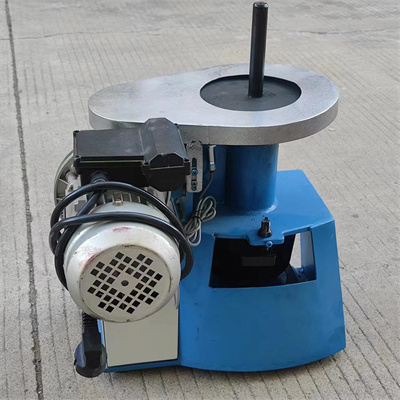
Calibration is the key to ensure accurate calorific value detection. First turn on the power of the calorimeter and preheat it for 30 minutes. After the equipment runs stably, use standard benzoic acid with known calorific value for calibration. After pressing the standard benzoic acid into an oxygen bomb, fill it with enough oxygen, and start the calibration procedure. After the calibration is completed, confirm that the calibration error displayed by the equipment is within the allowable range before subsequent testing can be carried out.
Step 3: Standardized operation testing
Press the processed sample to be tested, weigh it accurately and put it into the crucible of the oxygen bomb, connect the ignition wire to ensure that the ignition wire is in full contact with the sample. Fill the oxygen bomb with 2.8-3 MPa of oxygen and keep it for 15 seconds. Check the air tightness of the oxygen bomb. After confirming that there is no air leakage, put the oxygen bomb into the inner cylinder of the calorimeter, cover it and set the detection parameters, and start the detection program. During the detection process, the device will automatically record the temperature change. After the temperature stabilizes, the calorific value result will be automatically calculated and displayed.
Step 4: Data collation and review
After the test is completed, the calorific value data is recorded in time, and the same sample is tested in parallel. The average value of the two test results is taken as the final result. If the deviation of the two results exceeds the specified range, it needs to be re-tested. After the test, clean the oxygen bomb and inner cylinder in time to keep the equipment clean and prepare for the next test.
Step 5: Summary of Precautions
During the operation, it is necessary to strictly abide by the operating specifications of the equipment to avoid violent collisions with the instrument; the oxygen pressure needs to be controlled during oxygenation to prevent danger caused by excessive pressure; the sample weighing needs to be accurate, and the operation process needs to be fast to reduce the contact time between the sample and the air to ensure the reliability of the test results.
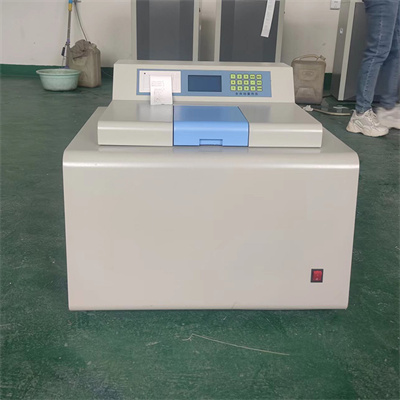 How to read calorimeter data
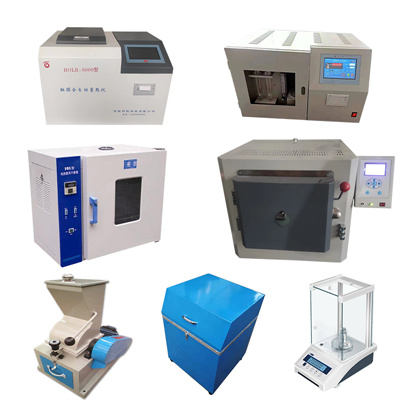 What is the design principle of a calorimeter?
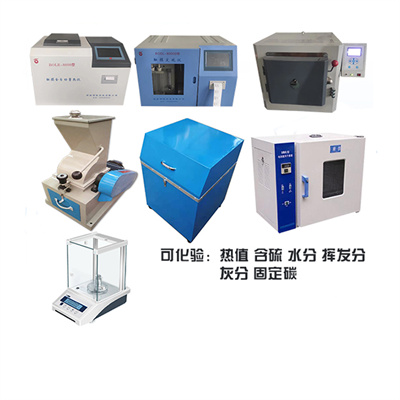 What is the harm of lack of water in the calorimeter?
 What is the input interface of the calorimeter?