How to check the calorimeter
The importance of calorimeter calibration
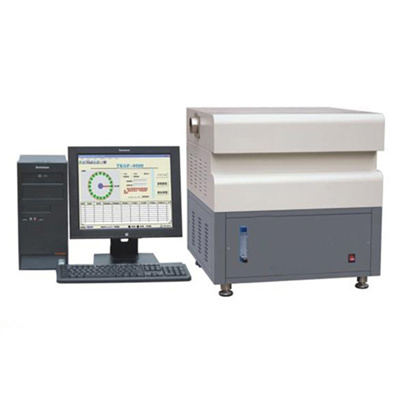
In many fields, such as energy detection, chemical analysis, etc., calorimeters undertake the key task of accurately measuring heat. The accuracy of its measurement data is directly related to the experimental results and production quality. Therefore, regular calibration of the calorimeter is a necessary measure to ensure the reliability of the data.
Preparation before verification
1. Environmental requirements: The calibration environment needs to be stable, the temperature is controlled at 15-30 ° C, and the humidity is maintained at 40% -70% to avoid large fluctuations in temperature and humidity affecting the calibration results. At the same time, keep away from strong magnetic fields and strong electric fields to prevent interference with the normal operation of the instrument.
2. Instrument inspection: carefully check whether the appearance of the calorimeter is damaged and whether the connecting lines are firm. Check key components such as combustion dishes and oxygen bombs to ensure no deformation or cracks, and ensure the safety and stability of the combustion process.
3. Preparation of reference materials: Use qualified reference materials, such as standard benzoic acid. Its calorific value is accurately known and is the core reference for calibrating calorimeters. Make sure that the reference materials are within the valid period and the storage conditions meet the requirements.
The specific steps of verification
1. Instrument calibration: Turn on the calorimeter, preheat according to the operating procedures, and enter the calibration mode after the instrument is stable. Accurately weigh a certain amount of standard benzoic acid, put it in a combustion dish, install the oxygen bomb, and fill it with an appropriate amount of oxygen. Put the oxygen bomb into the calorimeter, start the calibration procedure, and the instrument automatically records the heat generated during the combustion process to complete the calibration.
2. Repeatability check: After the calibration is completed, weigh the same quality of standard benzoic acid again and repeat the above operation at least 3 times. Calculate the calorific value of each measurement, and require that the relative standard deviation of each measurement result does not exceed the specified range to verify the repeatability of the calorimeter measurement.
3. Accuracy calibration: In addition to standard benzoic acid, other reference materials with known calorific value can also be used for calibration. Compare the measured value with the standard value, and the error must be within the allowable range to ensure the accuracy of the calorimeter measurement.
Final work after verification
1. Data recording and collation: record all the data in the verification process in detail, including environmental parameters, standard material quality, measured calorific value, etc. Organize and analyze the data. If there is any abnormality, find the cause in time and re-check.
2. Instrument cleaning and maintenance: After the calibration, clean the burning dish, oxygen bomb and other components to remove residual substances. Clean the appearance of the calorimeter to keep the instrument tidy. Regular maintenance of the instrument to prolong the service life.
Validation Precautions
1. Operators need to undergo professional training and be familiar with the calorimeter operation process and calibration specifications to avoid affecting the calibration results due to operational errors.
2. During the calibration process, strictly abide by safety procedures, especially when it comes to oxygen filling and combustion operations, to prevent safety accidents.
3. Regularly calibrate the calorimeter, and determine the calibration period according to the frequency of use and environmental conditions to ensure that the instrument is always in good working condition.
 How to read calorimeter data
 What is the design principle of a calorimeter?
 What is the harm of lack of water in the calorimeter?
 What is the input interface of the calorimeter?