How many levels of accuracy of the calorimeter?
The Core Concept of calorimeter Accuracy Class
The accuracy level of a calorimeter is a key indicator to measure the accuracy of its measurement results, which is directly related to the reliability of experimental data and the effectiveness of production quality control. The accuracy level defines the performance of the instrument by quantifying the error range, and different grades correspond to different application scenarios and measurement requirements.
Classification Basis for Accuracy Grades of Calorimeter
The accuracy classification of calorimeters is mainly based on national standards and industry norms. The core considerations include key indicators such as repeatability error and relative error. Taking common standards as an example, the repeatability error of high-precision calorimeters needs to be controlled within a very small range to ensure that multiple measurement results are highly consistent; the relative error is limited to a specific range to ensure that the deviation between the measured value and the true value is at an acceptable level.
Application scenarios with different accuracy levels
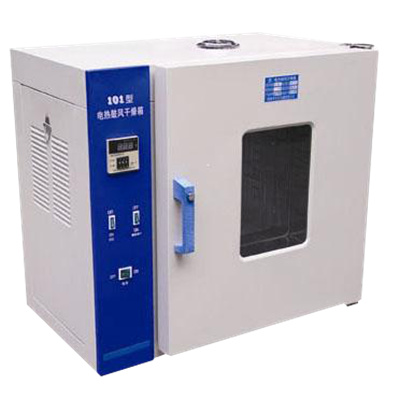
Different precision grade calorimeters have significant differences in application scenarios. High-precision grade calorimeters, with their excellent measurement accuracy, are widely used in scientific research laboratories, high-end material research and development and other fields that require strict data accuracy, providing accurate data support for cutting-edge scientific research. Medium-precision grade calorimeters are suitable for conventional industrial production quality inspection, meeting basic quality control needs while ensuring production efficiency. Low-precision grade calorimeters are mostly used for teaching demonstrations or preliminary testing with low accuracy requirements, assisting basic teaching and simple experiments.
Key Measures to Improve the Accuracy Level of Calorimeter
In order to ensure that the calorimeter is always at the ideal accuracy level, a series of key measures need to be taken. Regular calibration is the foundation. Through professional calibration equipment and standardized processes, instrument deviations are corrected in time to ensure that the measurement accuracy is up to standard. Standardized operation is equally important. Strictly follow the operation manual to control external factors such as ambient temperature and humidity to reduce human and environmental interference. In addition, the selection of high-quality reagents and consumables can also effectively reduce measurement errors and maintain high-precision operation of the instrument.
Mastering the knowledge of the accuracy level of calorimeters helps to accurately match instruments and application scenarios, establish a solid data foundation for experiments and production, and promote the efficient and accurate development of related work.
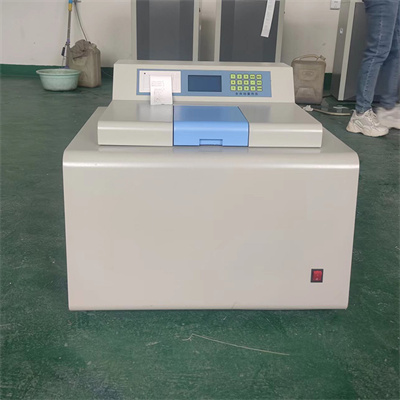 How to read calorimeter data
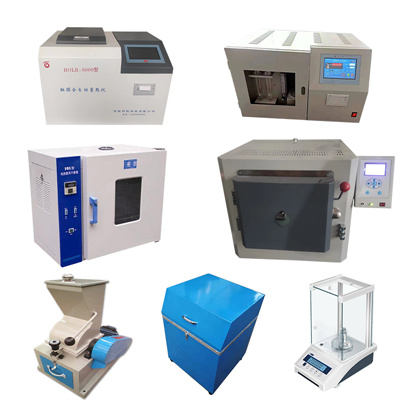 What is the design principle of a calorimeter?
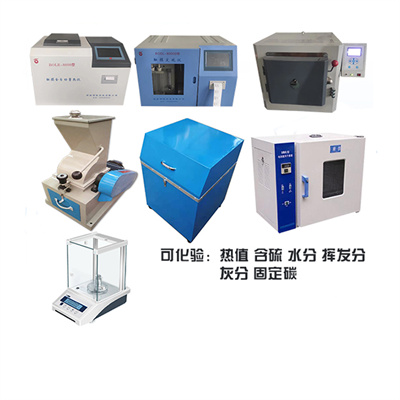 What is the harm of lack of water in the calorimeter?
 What is the input interface of the calorimeter?