How to calculate a calorimeter
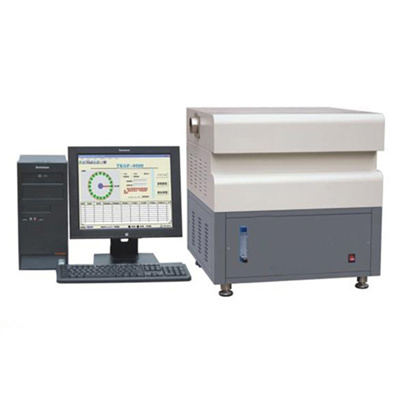
calorimeter, as the core equipment for accurately measuring the heat of matter, is widely used in energy, chemical industry and other fields, and it is crucial to master its calculation method.
First, the core principle of calorimeter calculation
The calorimeter is based on the first law of thermodynamics. It measures the heat released by the combustion or reaction of a substance, and combines the heat capacity of the instrument to calculate the heat generated by the substance. Its essence is to use heat conservation to convert the heat released by the sample into the temperature change of the instrument, and then derive the heat value.
Second, critical computation formula
The core formula of the calorimeter calculation is: Q = C × Delta T. Where Q represents the heat released by the sample (unit: joules), C is the heat capacity of the calorimeter (unit: joules/degrees Celsius, need to be calibrated in advance), and Delta T is the temperature change measured by the instrument (unit: degrees Celsius). When calculating, first calibrate the heat capacity C, and then accurately measure Delta T, and substitute it into the formula to get the result.
III. Practical operation calculation steps
1. Instrument calibration: Use standard materials (such as benzoic acid), operate combustion according to specifications, record temperature changes, calculate heat capacity C, and ensure the accuracy of the instrument.
2. Sample determination: Take the sample to be tested, follow the same process, accurately record the initial temperature and the maximum temperature, and calculate the delta T.
3. Substitution calculation: Substitute the calibrated C and the measured Delta T into the formula to obtain the calorific value of the sample. To convert to high calorific value, it needs to be corrected in combination with parameters such as moisture and hydrogen content.
IV. Precautions
During operation, it is necessary to strictly control the ambient temperature stability to ensure that the sample is fully burned and avoid heat loss; the calibration is consistent with the measurement process to reduce errors. Mastering these points can efficiently complete the calculation of the calorimeter and provide reliable data for various heat determination.
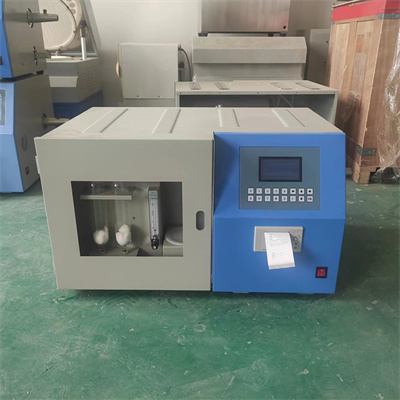
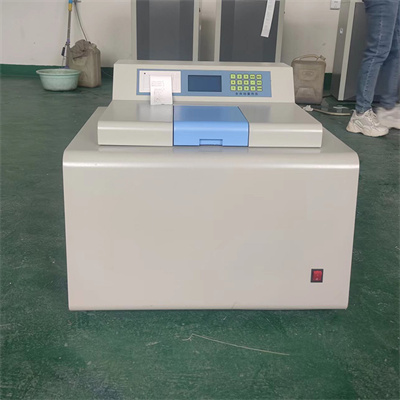 How to read calorimeter data
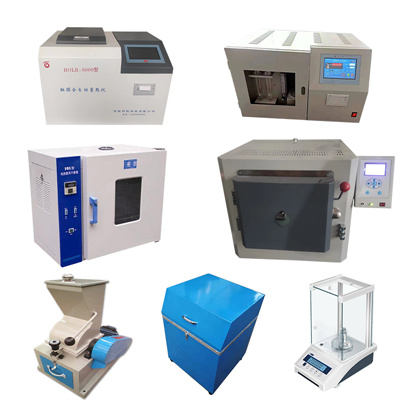 What is the design principle of a calorimeter?
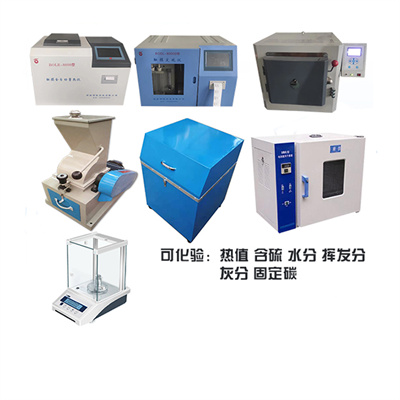 What is the harm of lack of water in the calorimeter?
 What is the input interface of the calorimeter?