What does the calorimeter test?
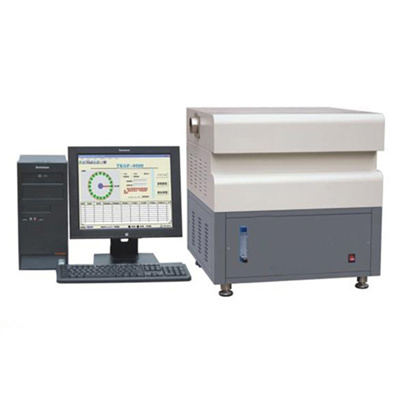
In many fields such as energy, chemical industry, and scientific research, calorimeters play a crucial role. They are mainly used to accurately determine the heat-related parameters of various substances. Here is a detailed introduction to the core test content of calorimeters.
Fuel calorific value determination
The most common application of a calorimeter is to determine the calorific value of fuels, such as coal, oil, natural gas and other common fuels, whose calorific value is directly related to combustion efficiency and energy utilization value. Through a calorimeter, it can simulate the fuel combustion process under strictly controlled conditions, accurately calculate the heat released by the complete combustion of a unit mass of fuel, and provide key data for the energy industry pricing and combustion equipment design.
Chemical reaction heat detection
In chemical R & D and production, the chemical reaction heat is a core indicator. The calorimeter can monitor the heat change during the chemical reaction in real time, whether it is an exothermic reaction or an endothermic reaction, it can accurately capture the reaction heat value. This helps researchers optimize the reaction conditions, control the reaction process, ensure the safety and efficiency of chemical production, and also help the research and development of new chemical materials.
Material thermal stability assessment
The thermal stability of a material at different temperatures determines its service range and life. Calorimeters can test the temperature of various materials and record the heat change of the material during the heating process to judge the thermal stability of the material. For example, in the research and development of plastics, rubber and other materials, with the help of calorimeters to evaluate the thermal stability, high-quality materials with high temperature resistance and stable performance can be screened.
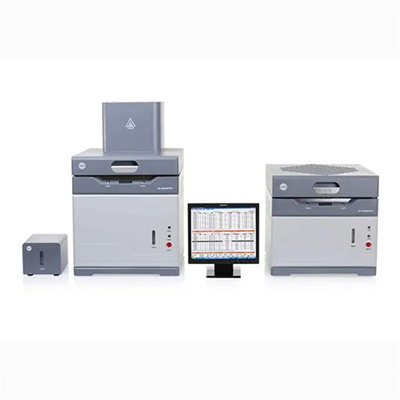
Phase change latent heat measurement
When matter undergoes a phase change, it absorbs or releases latent heat, and calorimeters can accurately measure this latent heat value. Whether it is ice melting into water or metal changing from solid to liquid, the latent heat data of the phase change is of great significance to the fields of material processing and refrigeration technology, and can provide a scientific basis for related process improvement.
Overall, with its accurate testing capabilities, calorimeters provide reliable support for the determination of heat-related parameters in the fields of energy development, chemical production, and material research and development, helping various industries achieve scientific development and efficient operation.
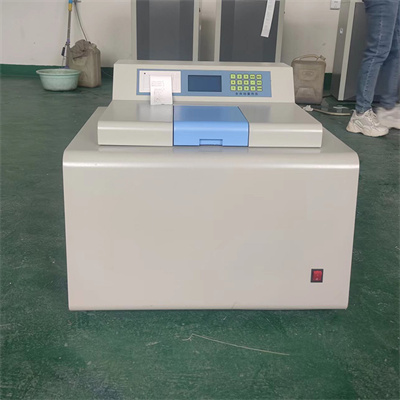 How to read calorimeter data
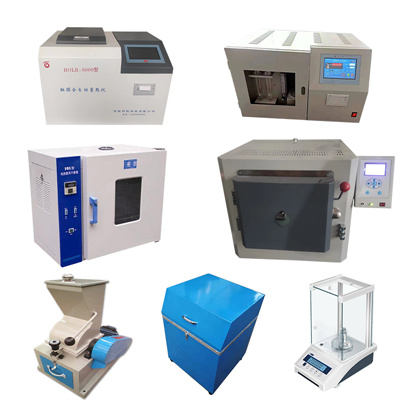 What is the design principle of a calorimeter?
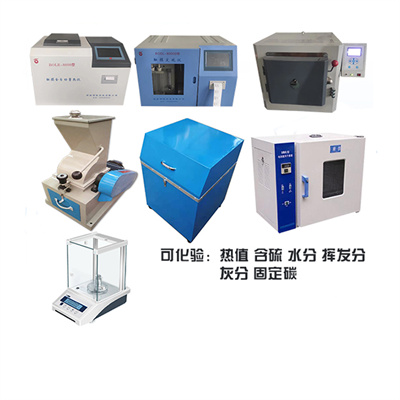 What is the harm of lack of water in the calorimeter?
 What is the input interface of the calorimeter?