How to calibrate a calorimeter
In many fields such as scientific research and industrial production, calorimeters play a key role in accurately measuring heat, and calibrating calorimeters is a core prerequisite for ensuring accurate and reliable measurement data. Here are the practical methods for calibrating calorimeters in detail.
Preparation before calibration
Before calibration, make sure that the appearance of the calorimeter is intact, free of damage and dust. At the same time, prepare reference materials, such as benzoic acid, which is a commonly used reference material. Its calorific value is stable and known, which can provide a reliable reference for calibration. In addition, check the power supply and connection lines of the calorimeter to ensure the normal operation of the equipment.
Control of environmental conditions
The environment has a great impact on the calibration of the calorimeter. The calibration needs to be carried out in an environment with stable temperature (generally controlled at 20-25 ° C) and suitable humidity (40% -60% relative humidity). Avoid direct sunlight and strong airflow interference to prevent environmental factors from causing measurement errors.
Specific calibration steps
1. Empty machine preheating: Turn on the calorimeter and let it run for 15-30 minutes to preheat the empty machine, so that the various components of the instrument can reach a stable working state and lay the foundation for subsequent calibration.
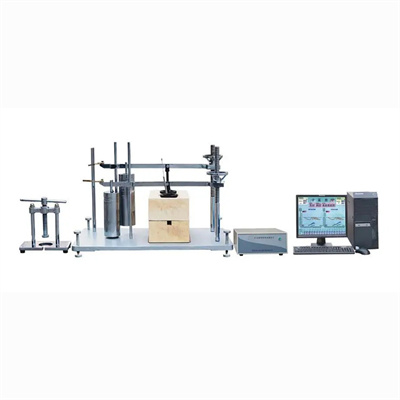
2. Reference material weighing: Use a high-precision balance to accurately weigh an appropriate amount of reference material and record the weighing data. The weighing process should be rapid to reduce the contact time between the reference material and the air and avoid moisture absorption affecting the calorific value.
3. Sample loading and ignition: Put the weighed standard material into the combustion dish of the calorimeter, connect the ignition wire, and ensure that the ignition device works normally. When loading samples, the operation should be standardized to prevent the sample from spilling.
4. Measurement and recording: Start the measurement program. After the combustion is complete and the temperature is stable, record the measurement value displayed by the calorimeter. Repeat the measurement many times and take the average value to improve the calibration accuracy.
calibration result verification
After the calibration is completed, validate the measurement with another reference material with known calorific value. If the measurement result deviates from the known calorific value within the allowable range, the calibration is successful; if the deviation is too large, the calibration procedure needs to be re-checked to troubleshoot the problem and calibrate again.
Regular calibration of the calorimeter is a key measure to ensure accurate measurement. Strictly following the above calibration process will keep the calorimeter in good performance and provide accurate data support for scientific research and production.
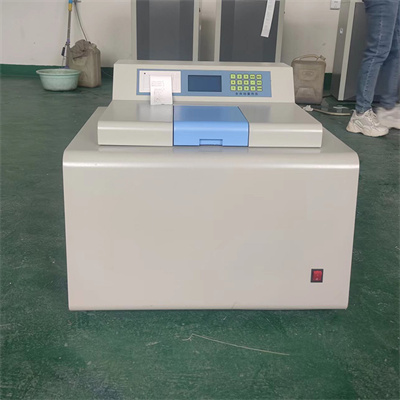 How to read calorimeter data
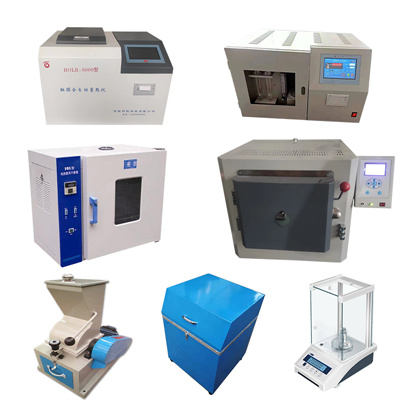 What is the design principle of a calorimeter?
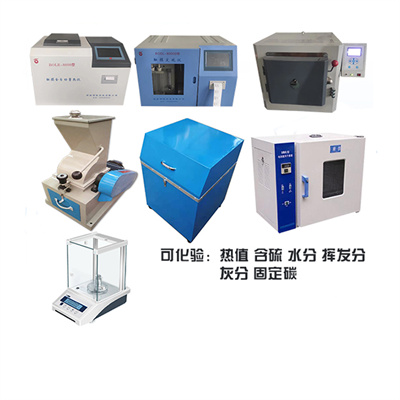 What is the harm of lack of water in the calorimeter?
 What is the input interface of the calorimeter?