How to choose a calorimeter
In various experimental and production scenarios, calorimeters play a key role in accurately measuring heat. Choosing the right calorimeter can ensure accurate data and efficient work. How to choose a calorimeter? Master the following core points to easily make the right choice.
Clarify usage scenarios and requirements
Before purchasing, it is necessary to clarify the usage scenarios. If it is used for basic teaching in university laboratories, it requires moderate accuracy and automation, and focuses on cost performance. If it is an enterprise production line, it is necessary to meet continuous and efficient testing, and it is necessary to focus on the stability and detection efficiency of the equipment. If scientific research institutions carry out high-precision experiments, they must choose a high-end calorimeter with high precision and comprehensive functions. Clear positioning requirements can avoid blind purchase and ensure that the equipment is suitable for actual use scenarios.
Focusing on core performance metrics
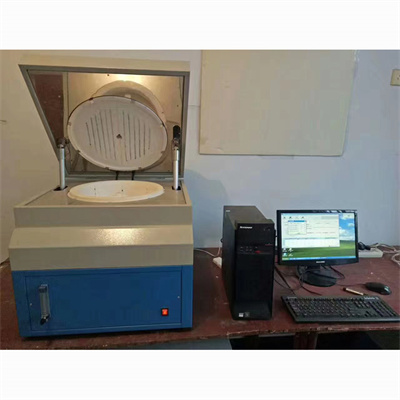
The core performance of a calorimeter directly determines the quality of measurement, which is the core consideration when purchasing. Accuracy is the top priority. Different scenarios have different requirements for accuracy. Be sure to choose equipment that meets the accuracy standards and meets industry standards. High-precision calorimeters can ensure minimal data errors and provide reliable support for experiments and production. Stability is also critical. Equipment needs to maintain a stable measurement state during long-term operation to avoid data distortion due to fluctuations. High-quality calorimeters should be able to adapt to complex environments and continuously output accurate results. In addition, the detection speed also needs to be considered in combination with demand. Efficient detection can greatly improve work efficiency and meet the needs of batch detection.
Consider device functionality and configuration
Modern calorimeters are increasingly rich in functions. Reasonable selection of functional configurations can greatly improve the convenience of use. Equipment with a high degree of automation can achieve automatic sampling, automatic calculation, and automatic data storage, greatly reducing manual operation and reducing the risk of errors. It is especially suitable for batch testing scenarios. Some high-end calorimeters also have data networking and remote operation functions, which facilitate data management and real-time monitoring. They are suitable for laboratories or enterprises that require centralized control. At the same time, attention should be paid to the compatibility of equipment to ensure that it can be adapted to various sample containers and testing accessories to meet diverse testing needs.
Emphasis on brand and after-sales services
Brand is an important guarantee for the quality of equipment. Well-known brands have mature R & D and production processes, and the product quality is more reliable, the performance is more stable, and it is often verified by the market for a long time, and the reputation is good. When choosing a brand, you can refer to the industry reputation and user evaluation, and give priority to brands with strong technical strength and high market share. In addition, perfect after-sales services are indispensable. Failures will inevitably occur during the use of equipment. High-quality after-sales services can provide timely repair and maintenance services, and can also provide technical support and training to ensure long-term stable operation of equipment and avoid affecting the work progress due to after-sales problems.
Buying a calorimeter requires comprehensive consideration from multiple dimensions such as demand, performance, function, and brand after-sales. By closely following these points, you can find a high-quality calorimeter that meets your own needs, and build a solid foundation for accurate measurement for experimentation and production.
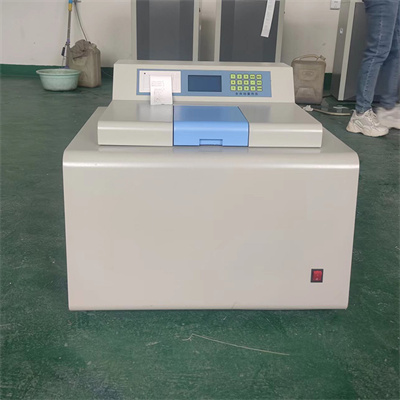 How to read calorimeter data
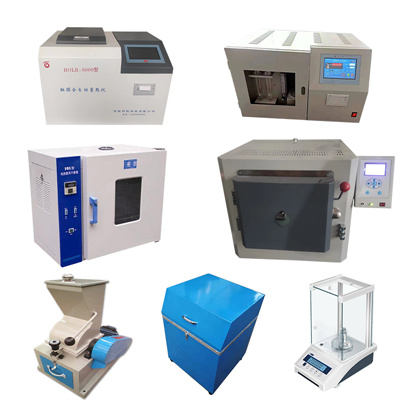 What is the design principle of a calorimeter?
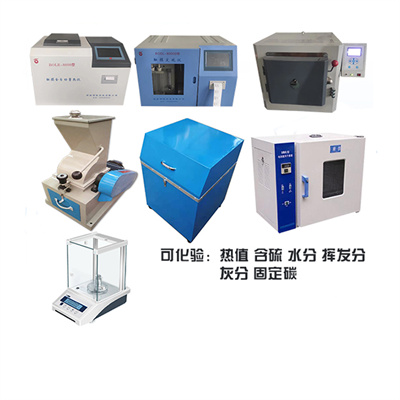 What is the harm of lack of water in the calorimeter?
 What is the input interface of the calorimeter?