How to adjust the calorimeter
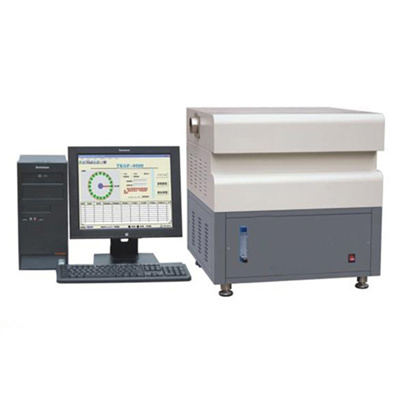
As a core device for accurately detecting heat, calorimeters are widely used in chemical, energy, scientific research and other fields. Improper adjustment of calorimeters can easily lead to deviations in test results and affect experimental and production judgments. Mastering scientific adjustment methods is the key to ensuring accurate data. Below, I will introduce the adjustment steps of calorimeters in detail.
First, basic preparation before calibration
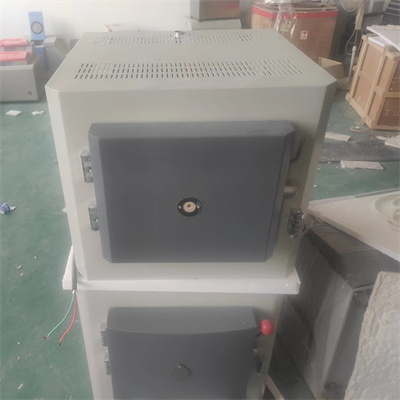
Before adjusting the calorimeter, basic preparations must be done. First, ensure that the calorimeter is placed on a stable, dry and non-strong magnetic field interference workbench to avoid environmental factors affecting the instrument. Second, check the appearance of the instrument to confirm that the components are firmly connected and free of looseness or damage, especially the key parts such as the power cord and sensor interface. Finally, preheat the instrument, and let the calorimeter run stably for 15-30 minutes according to the instructions, so that the internal components can reach a stable working state, laying the foundation for subsequent calibration.
Core calibration steps
1. Temperature calibration: Temperature is the core parameter of the calorimeter detection, and the calibration temperature requires the help of a standard thermometer. Place the standard thermometer and the temperature sensor of the calorimeter in a constant temperature water bath, and set the water bath temperature to the commonly used detection temperature point of the calorimeter, such as 25 ° C, 30 ° C. After the temperature stabilizes, compare the standard thermometer and the calorimeter to display the temperature. If there is any deviation, enter the correction value through the calibration menu of the instrument to complete the temperature calibration.
2. Heat calibration: Heat calibration requires the use of reference materials with known calorific value, such as benzoic acid. Put the reference material into the combustion dish of the calorimeter and start the test according to the standard operating procedure. After the test is completed, the comparison instrument displays the calorific value and the nominal calorific value of the standard material. If the deviation exceeds the allowable range, adjust the heat coefficient of the instrument until the test result matches the standard value to ensure accurate heat detection.
III. Parameter setting and optimization
After the calibration is completed, the key parameters of the calorimeter need to be reasonably set. According to the characteristics of the test sample, set the appropriate combustion time, stirring speed and other parameters. For example, for refractory samples, the combustion time can be appropriately extended to ensure that the sample is fully burned; for volatile samples, the stirring speed needs to be adjusted to avoid sample volatilization affecting the test results. At the same time, regularly check whether the parameter settings are reasonable and optimize according to the actual detection needs to ensure that the instrument is always in the best working condition.
IV. Daily maintenance and re-inspection
The accurate adjustment of the calorimeter is inseparable from daily maintenance. After each use, clean up the burning dish, oxygen bomb and other components in time to prevent residual substances from affecting the follow-up inspection. Regularly conduct a comprehensive inspection of the instrument, including sensor sensitivity, circuit connection, etc. In addition, it is recommended to conduct a monthly re-inspection to re-calibrate the temperature and heat according to the calibration steps to ensure that the instrument maintains high accuracy for a long time and provides a reliable guarantee for the detection work.
Mastering the adjustment method of the calorimeter can not only improve the accuracy of the test results, but also prolong the service life of the instrument. Follow the above steps to easily achieve accurate adjustment of the calorimeter, making the detection work more efficient and reliable.
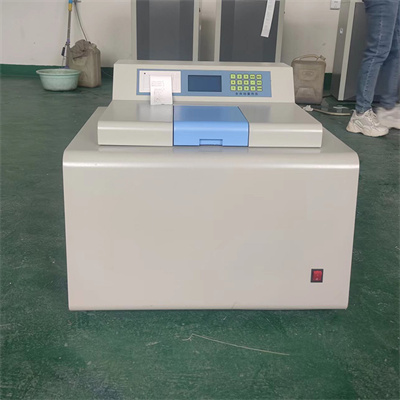 How to read calorimeter data
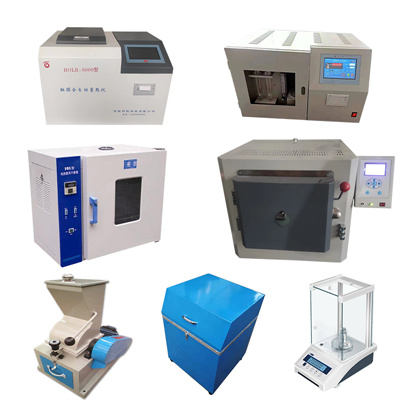 What is the design principle of a calorimeter?
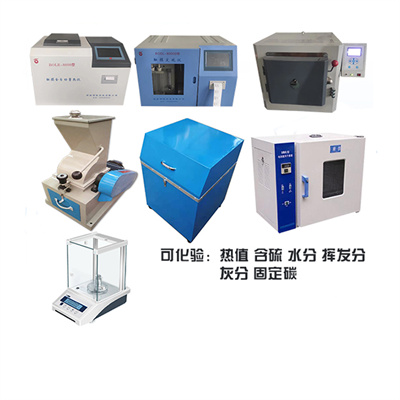 What is the harm of lack of water in the calorimeter?
 What is the input interface of the calorimeter?