How to calibrate an oil calorimeter
First, the core preparation work before calibration
Before calibrating the oil calorimeter, complete the basic preparation. First check the appearance of the calorimeter to confirm that there is no damage, the connection of parts is stable, and the power line is not aging; then clean the oxygen bomb to remove the residual oil stains and impurities inside and outside to avoid affecting the combustion effect. At the same time, prepare standard benzoic acid (purity ≥ 99.99%), special ignition wire and certified oxygen cylinder to ensure that the oxygen pressure is stable at 3.0-3 MPa, which is a solid foundation for calibration.
Key calibration operation steps
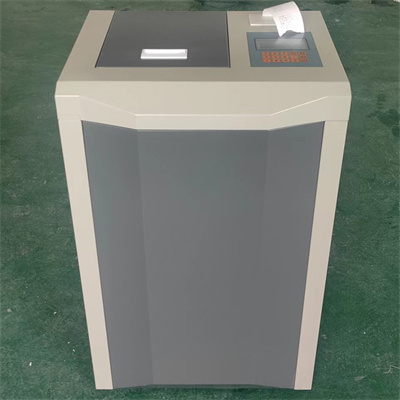
1. Installation and parameter setting: After pressing an appropriate amount of standard benzoic acid, fix it on the oxygen bomb electrode and connect the ignition wire to ensure good contact. Fill the oxygen bomb with enough oxygen, close the valve, put the oxygen bomb smoothly into the inner cylinder of the calorimeter, and connect the electrodes. Turn on the instrument power supply, set the calibration mode, enter the calorific value parameters of the standard benzoic acid, and start the calibration procedure.
2. Ignition and data collection: After starting the ignition, pay close attention to the operating status of the instrument and observe the temperature change curve. When the combustion is complete, the instrument automatically completes the temperature acquisition and calorific value calculation, and records the measured calorific value data displayed, which is the core basis for calibration.
3. Repeat calibration verification: Repeat the operation 2-3 times according to the above steps. If the deviation between the measured calorific value and the standard calorific value is less than or equal to 0.2%, it means that the instrument is in stable condition. If the deviation exceeds the standard, the calibration needs to be suspended to check the tightness of the oxygen bomb and the contact of the ignition wire. After adjustment, re-operate.
III. Closing and verification after calibration
After the calibration is completed, turn off the power of the instrument, remove the oxygen bomb, release the residual gas inside, and then disassemble and clean it up. Carefully check the calibration data, record the calibration time, measured value, deviation and other information, and form a calibration report. Finally, return the instrument and accessories to keep the equipment clean for subsequent use.
IV. Calibration Precautions
Calibration needs to be carried out in a constant temperature environment, with ambient temperature fluctuations less than or equal to 2 ° C. Operators need to strictly follow safety regulations to avoid the risk of high-pressure oxygen gas leakage. Regular maintenance of core components such as oxygen bombs and electrodes is carried out to ensure that the calibration results are continuously accurate and reliable.
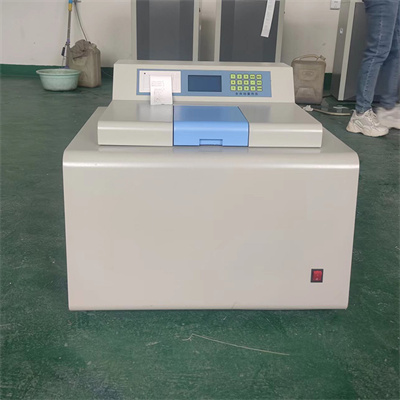 How to read calorimeter data
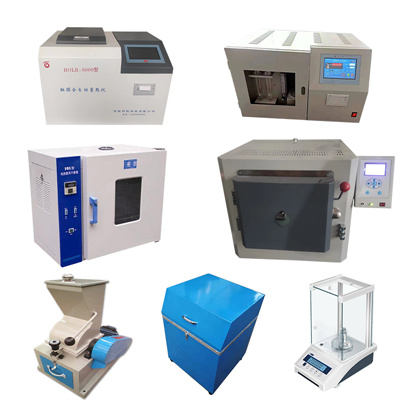 What is the design principle of a calorimeter?
 What is the harm of lack of water in the calorimeter?
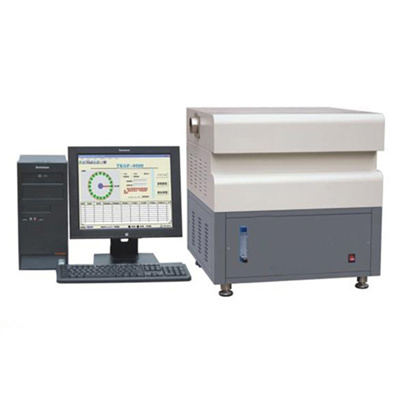 What is the input interface of the calorimeter?