Which calorimeter is stronger?
In the fields of energy, chemical industry, scientific research, etc., calorimeters are key equipment for measuring the combustion heat and reaction heat of substances. Choosing the right calorimeter directly affects the experimental accuracy and production efficiency. Many customers will be torn when purchasing: Which calorimeter is stronger? In fact, judging a high-quality brand needs to start from the core dimension. The following is a practical selection logic for you.
First, core technology is the core competitiveness
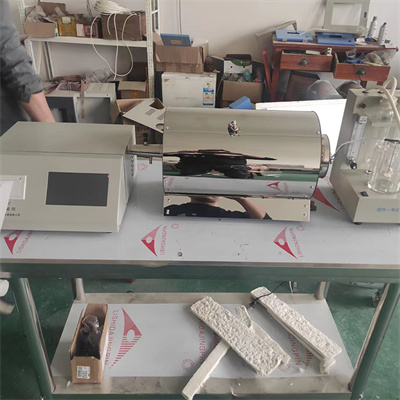
The core of a high-quality calorimeter lies in technical stability. Mainstream brands mostly use oxygen bomb calorimetry, and the pressure resistance of core components such as oxygen bombs and the accuracy of temperature measurement sensors are crucial. For example, some head manufacturers use high-strength alloy steel for oxygen bombs with a pressure resistance of more than 30MPa. With high-precision platinum resistance sensors, the temperature measurement error can be controlled within ± 0.001 ° C. This type of equipment can still maintain data stability in complex experimental environments, making it the first choice for scientific research institutes and large enterprises.
Second, performance indicators determine the adaptation scenario
When purchasing, you need to pay attention to the three major indicators of calorimetry range, resolution and repeatability. The calorimetry range needs to match the calorific value of the sample, the conventional equipment covers 0-35000J/g, and the hot topic value sample needs to be customized; the higher the resolution, the more accurate the capture of subtle heat changes, and the high-quality equipment can reach 0.1J. Repeatability reflects the stability of the equipment. Industry standards require that the repeatability error be less than or equal to 0.2%, and the standard brand can meet the needs of batch testing.
III. Brand service guarantees long-term use
In addition to the equipment itself, the brand's after-sales services are also critical. High-quality manufacturers will provide on-site installation and commissioning, operation training, and 24-hour technical support. Some brands even promise three-year quality assurance for core components. In addition, manufacturers with independent research and development capabilities can customize equipment according to customer needs, such as optimizing the testing process for different samples such as coal and biomass, which is more adaptable.
Overall, to determine which calorimeter is strong, it is necessary to take into account technical accuracy, performance indicators and service guarantee. It is recommended to give priority to visiting manufacturers with independent research and development strength and good reputation in the industry. Combined with their own sample types and testing needs, through field testing and comparison, they can choose a truly suitable high-quality calorimeter and build a solid data foundation for experimentation and production.
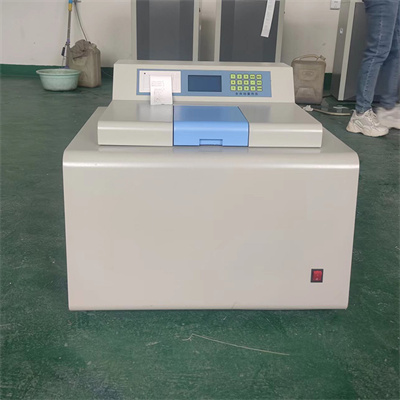 How to read calorimeter data
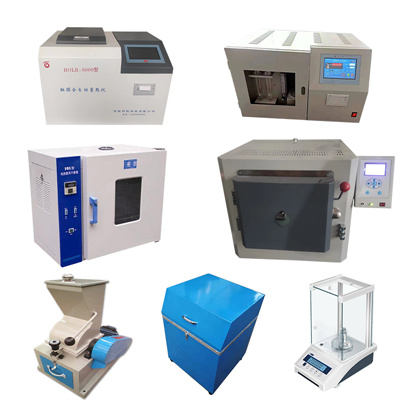 What is the design principle of a calorimeter?
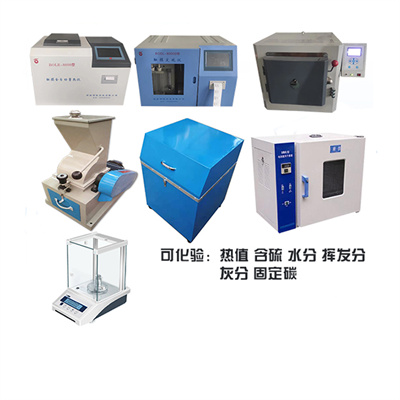 What is the harm of lack of water in the calorimeter?
 What is the input interface of the calorimeter?