How to change the water in a calorimeter
As the core instrument for accurately measuring heat, the calorimeter plays a key role in various experiments and detection scenarios. Regularly changing the water for the calorimeter is an important part of ensuring its measurement accuracy and maintaining stable operation. Below, I will introduce the specific method of changing the water for the calorimeter in detail, so that every operator can easily master it.
Preparation before changing the water
Before changing the water, adequate preparation is essential. First, prepare clean distilled or deionized water to avoid impurities in the water affecting the performance of the calorimeter. At the same time, prepare clean rags, special wrenches and other tools to ensure a smooth water change process. In addition, be sure to turn off the power of the calorimeter and wait for the instrument to cool completely to prevent the risk of high temperature burns or electric shock.
drainage step
Find the water tank drain port of the calorimeter, usually located at the bottom or side of the instrument. Use a special wrench to gently unscrew the valve of the drain port, so that the water in the water tank is slowly discharged. During the drainage process, pay attention to observe the drainage situation. If the drainage is not smooth, check whether the drain port is blocked by foreign objects and clean it up in time. After the water in the tank is basically emptied, the instrument can be properly tilted to assist in draining the residual water.
Cleaning water tank
After the water tank is emptied, the inside of the water tank needs to be cleaned. Wipe the inner wall of the water tank with a clean rag to remove scale, impurities and other attachments. For stubborn stains, a special cleaning agent can be used, but it should be noted that the cleaning agent cannot remain in the water tank. After cleaning, rinse the water tank with water again to ensure that no cleaning agent remains.
Water addition operation
After cleaning and the water tank is dry, you can add water. Slowly pour the prepared distilled water or deionized water into the water tank, pay attention to the water level scale, and avoid overflowing with too much water. Different models of calorimeters have different tank capacity and water level requirements, so be sure to refer to the instrument manual for operation. After adding water, tighten the lid of the water tank to prevent water leakage.
Inspection and debugging after water change
After the water change is completed, re-connect the power supply of the calorimeter to check whether the various functions of the instrument are normal. Run the instrument for a simple test to observe whether the measurement data is stable and accurate. If any abnormalities are found, check the cause in time. It may be that air enters during the water addition process or the water level does not meet the standard and needs to be readjusted.
Precautions for changing water
1. Water quality control: Be sure to use purified water that meets the requirements to avoid damage to the instrument caused by minerals and impurities in the tap water, which will affect the measurement accuracy.
2. Operation specifications: During the water change process, strictly follow the steps in the instrument manual to avoid damage to the instrument parts due to improper operation.
3. Regular maintenance: In addition to regular water changes, a comprehensive inspection and maintenance of the calorimeter is also required to ensure that the instrument is always in optimum working condition.
Mastering the correct method of changing the water of the calorimeter can not only prolong the service life of the instrument, but also ensure the accuracy of the measurement results. Follow the above steps to easily complete the water change of the calorimeter, so that the instrument can continuously and stably provide reliable support for experiments and inspections.
 How to read calorimeter data
 What is the design principle of a calorimeter?
 What is the harm of lack of water in the calorimeter?
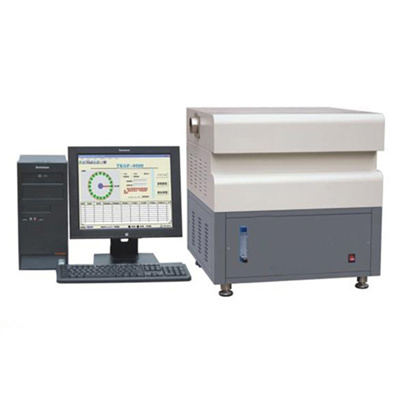 What is the input interface of the calorimeter?