How to choose a calorimeter
In the fields of scientific research experiments, energy testing, etc., calorimeters are the core equipment for accurately measuring the heat of substances. When selecting, key dimensions must be closely followed in order to select an instrument that meets the requirements. The following core points must be mastered:
Clarify core accuracy requirements
Accuracy is the core indicator of a calorimeter, which directly determines the reliability of the test results. Before selection, the accuracy level should be defined in combination with the detection scene: if it is used for conventional fuel calorific value detection, the conventional accuracy (error ≤ 0.5%) can be satisfied; if it involves high-precision scientific research experiments, it is necessary to choose a high-precision calorimeter with an error ≤ 0.1% to avoid data deviation due to insufficient accuracy.
Focus on instrument stability
Stable instruments can ensure the consistency of continuous detection data. When selecting, you can check the temperature control system of the instrument, and choose models with constant temperature groove and intelligent temperature control technology first. This type of equipment can reduce the impact of ambient temperature fluctuations on detection. At the same time, refer to the repeatability index of the equipment. Generally, instruments with a repeatability error of less than 0.2% have more stability and are suitable for long-term high-frequency detection needs.
Matching test sample characteristics
The shape, dosage, and ignition point of different samples have different requirements for calorimeters. If testing solid fuels (such as coal and coke), choose a model suitable for solid sample crucibles and with automatic ignition function; if liquid samples are involved, confirm whether the instrument is equipped with a special container for liquid samples, and the range should cover the expected heat range of the sample to avoid insufficient or excess range.
Consider the ease of operation and maintenance
Instruments that are easy to operate and cost less to maintain can greatly improve work efficiency. Preference is given to calorimeters equipped with touch screens and intelligent operation interfaces. This type of equipment has a clear operation process and can be used without complicated training. At the same time, check the clean design of the instrument, such as removable sample cabins and easy-to-replace seals, which can reduce the difficulty of daily maintenance, reduce downtime for maintenance, and adapt to fast-paced testing scenarios.
Pay attention to brand and after-sales guarantee
High-quality brand products are more guaranteed in quality control and technical maturity, and can provide perfect after-sales services. When selecting, give priority to brands with good reputation in the industry and independent research and development capabilities to confirm whether they provide installation and commissioning and technical training services; at the same time, clarify the quality assurance period and the supply of wearing parts to avoid the lack of after-sales in subsequent use affecting the testing progress, and build a solid guarantee for long-term use.
Overall, the selection of a calorimeter requires comprehensive consideration of the five core dimensions of accuracy, stability, sample suitability, operation and maintenance, and after-sales service, and accurate screening based on their actual needs in order to select an efficient and reliable calorimeter and provide solid support for the testing work.
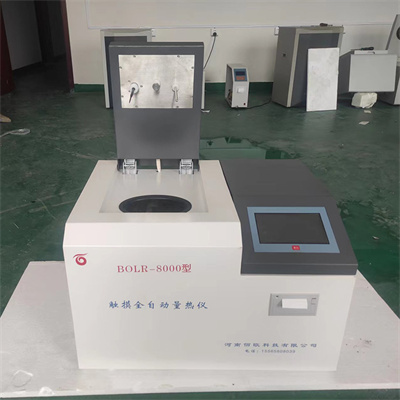
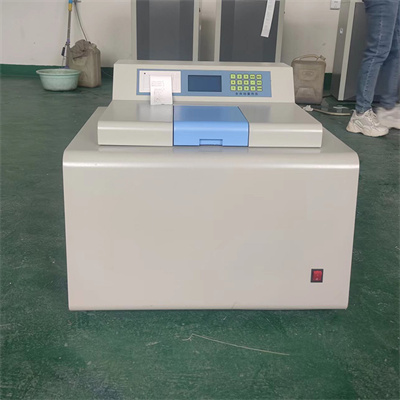 How to read calorimeter data
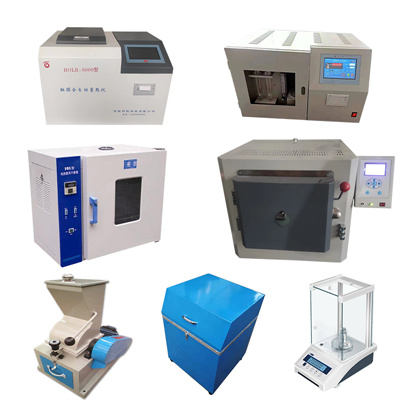 What is the design principle of a calorimeter?
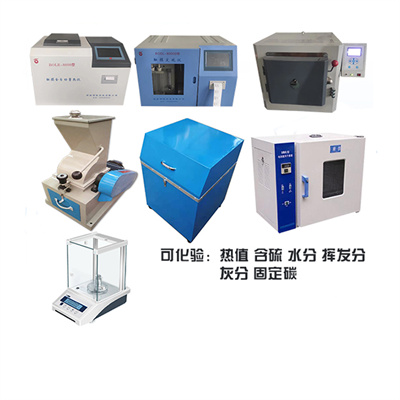 What is the harm of lack of water in the calorimeter?
 What is the input interface of the calorimeter?