How many years does a calorimeter last?
In laboratories and industrial production, calorimeters are the core equipment for accurately measuring heat. Many users are concerned about how long a calorimeter can last. In fact, the service life of a calorimeter is not a fixed value, usually in the range of 5-15 years, depending on multiple factors.
Core influencing factor 1: Equipment quality
The high-quality calorimeter is made of high-strength materials and precision technology, and the core components such as sensors and heating systems are highly stable, with a service life of more than 10 years. However, the inferior equipment is made of rough materials and the process is not up to standard, and the accuracy may decrease in 3-5 years. Component failure significantly shortens the lifespan.
Core influencing factor 2: Frequency and intensity of use
High-frequency use is the key to accelerating equipment wear and tear. If the calorimeter works continuously for more than 8 hours a day, the core components will operate under high load for a long time, the aging rate will be significantly accelerated, and the service life may be shortened to 5-8 years; on the contrary, reasonable control of the frequency of use allows the equipment to have sufficient rest time, which can effectively extend the life.
Core influencing factor 3: Maintenance level
Standardized maintenance is the core guarantee to prolong the life of the calorimeter. Regular cleaning of equipment, calibration accuracy, and replacement of wearing parts can eliminate hidden dangers in time, keep the equipment in the best condition, and extend the service life to 12-15 years; if maintenance is neglected for a long time, dust accumulation and component wear are not dealt with in time, it will accelerate the equipment's scrapping, and the service life may be less than 5 years.
Core Influencing Factor 4: Use Environment
The environment has a significant impact on the lifespan of the calorimeter. If the equipment is exposed to high temperature, humidity, and dust for a long time, it will accelerate component corrosion, circuit aging, and shorten the lifespan significantly. A dry, constant temperature, and clean environment can reduce equipment wear and tear and provide favorable conditions for prolonging lifespan.
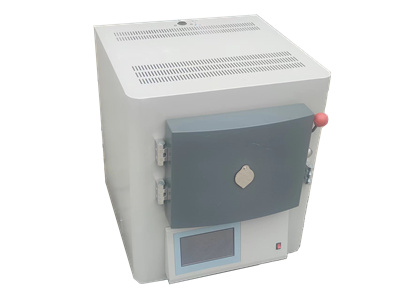
Overall, in order to make the calorimeter last longer, it is necessary to prioritize the selection of high-quality equipment, plan the frequency of use rationally, adhere to standardized maintenance, and optimize the use environment, so as to maximize the value of the equipment and ensure the detection accuracy.
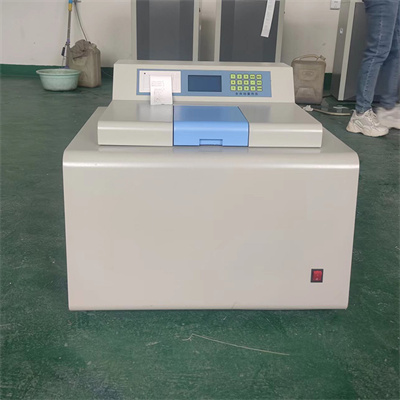 How to read calorimeter data
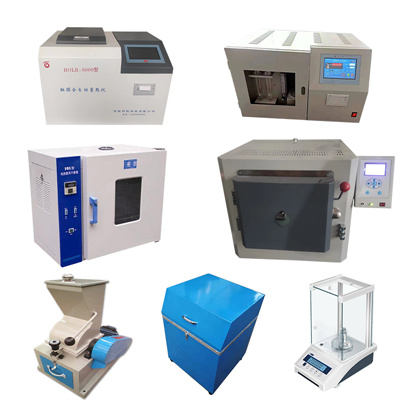 What is the design principle of a calorimeter?
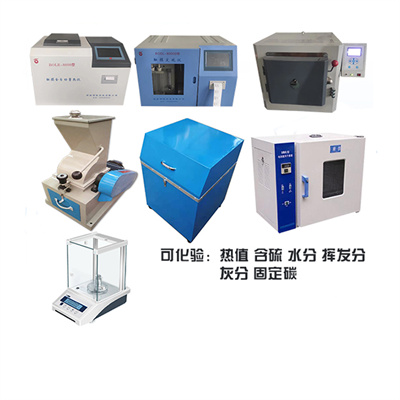 What is the harm of lack of water in the calorimeter?
 What is the input interface of the calorimeter?