How much does the calorimeter weigh?
In the inspection work of many industries such as coal and chemical industry, the calorimeter is the core equipment for accurately measuring the calorific value of a substance, and the weighing process of the calorimeter directly determines the accuracy of the test results. It is crucial to grasp the relevant points of weighing.
The core standard of calorimeter weighing: calorimeters have extremely high requirements for weighing accuracy. For conventional high-precision calorimeters, the weighing accuracy needs to be controlled at the ± 0.1mg level, which is the core premise to ensure accurate data. When weighing, a suitable high-precision balance must be selected, and the balance needs to be professionally calibrated to ensure that the error is within the allowable range.
The weighing range of the calorimeter: There are differences in the weighing range of different models of calorimeters. For common oxygen bomb calorimeters, the weighing range of a single sample is generally between 0.5g and 1.5g. For details, please refer to the instrument manual. It is strictly forbidden to weigh beyond the range to avoid damage to the equipment and affecting the detection data.
The operation specification of the calorimeter weighing:
1. Environmental requirements: Weighing needs to be carried out in a constant temperature, shockproof, and non-strong electromagnetic interference environment. Temperature fluctuations and slight vibrations will cause the balance to be unstable and affect the weighing accuracy.
2. Operation process: Preheat the balance for more than 30 minutes. After the number is stable, place a clean weighing paper first, and then add the sample after returning to zero. The action should be gentle during the addition process to prevent the sample from spilling.
3. Calibration process: Before each use, the balance should be calibrated with standard weights. If the balance or mobile device is replaced, the calibration work is even more indispensable.
Precautions for weighing the calorimeter:
The sample should be kept dry and uniform to avoid agglomeration and moisture, otherwise it will lead to weighing deviation, which will affect the calorific value test results.
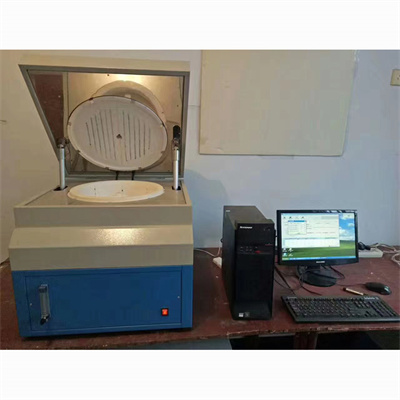
After weighing, it is necessary to clean the balance tray in time to prevent residual samples from contaminating the equipment and affecting the subsequent weighing accuracy.
Mastering the weighing standards, scope, and standard operation of a calorimeter not only guarantees the accuracy and reliability of the test data, but also prolongs the service life of the equipment, providing a solid foundation for quality control in various industries.
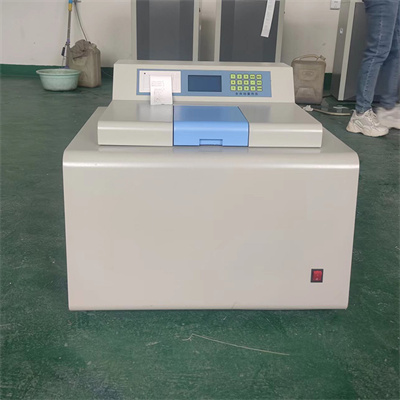 How to read calorimeter data
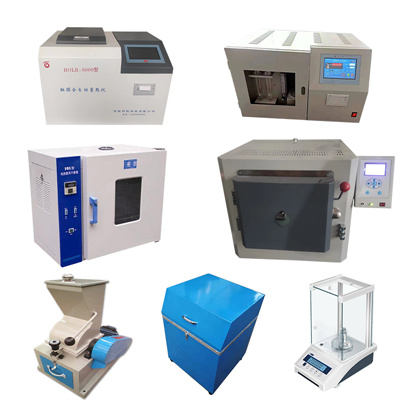 What is the design principle of a calorimeter?
 What is the harm of lack of water in the calorimeter?
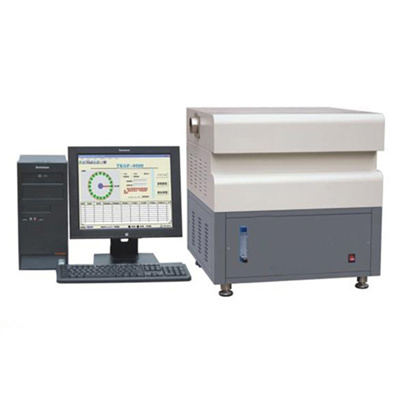 What is the input interface of the calorimeter?