How to adjust the calorimeter
Preparation before adjustment of calorimeter
Before adjusting the calorimeter, it is necessary to ensure that the instrument is in a stable working environment to avoid large fluctuations in temperature and humidity. At the same time, check whether the components of the instrument are firmly connected and whether the power supply is normal. In addition, the preparation of reference materials, such as benzoic acid, whose calorific value is known and stable, is a key tool for calibrating the calorimeter.
The core steps of calibrating a calorimeter
1. Ignition system calibration: first check whether the ignition wire is in good condition to ensure that it can ignite the sample normally. Then, by adjusting the ignition voltage and time parameters, the ignition success rate can reach 100%. If the ignition fails, check the ignition wire contact, electrode spacing and other issues.
2. Temperature sensor calibration: The temperature sensor is the core component of the calorimeter, and its accuracy directly affects the detection results. Use a standard thermometer to compare and calibrate the temperature sensor. If there is any deviation, adjust the calibration parameters according to the instrument manual until the temperature measurement error is within the allowable range.
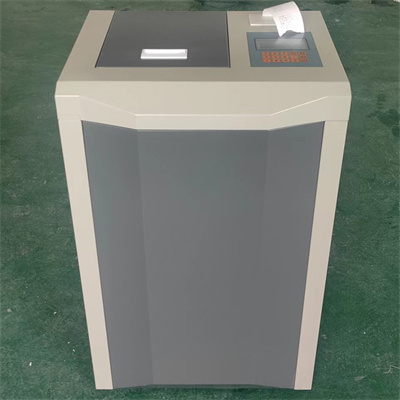
3. Heat capacity calibration: Put the standard benzoic acid with known calorific value into the calorimeter and conduct combustion test according to the standard operating procedure. According to the temperature change before and after combustion, the heat capacity of the calorimeter is calculated by combining the formula. If the results of multiple tests have large deviations, it is necessary to check the sealing of the instrument, stirring efficiency and other factors.
Parameter adjustment in daily use
In daily use, adjust the parameters of the calorimeter according to the characteristics of the sample. For hot topic value samples, appropriately reduce the combustion power to prevent high temperature damage to the instrument; for low calorific value samples, increase the stirring speed to ensure that the sample is fully burned. At the same time, regularly check the software parameter settings of the instrument to ensure that it matches the hardware status.
Adjusted verification and maintenance
After the adjustment is completed, use the reference material to test again to verify the adjustment effect. If the test results meet the expectations, record the adjustment parameters as a follow-up reference. In addition, regularly clean and maintain the calorimeter, check the wear of key components, and replace aging parts in time to ensure long-term stable operation of the instrument.
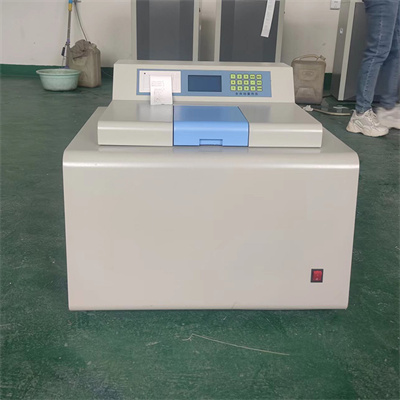 How to read calorimeter data
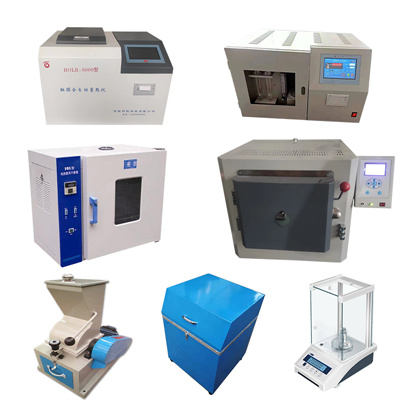 What is the design principle of a calorimeter?
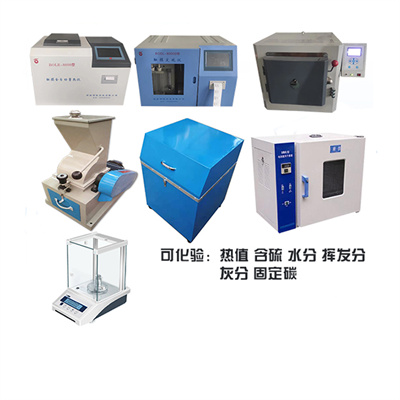 What is the harm of lack of water in the calorimeter?
 What is the input interface of the calorimeter?