How to read a calorimeter
Understanding the basic structure of calorimeter
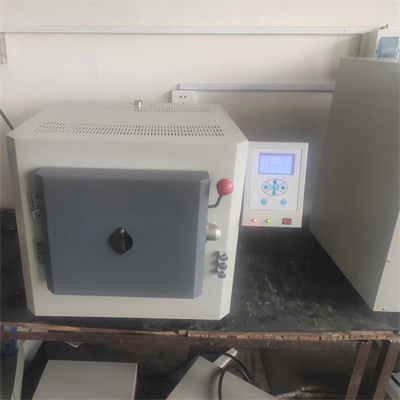
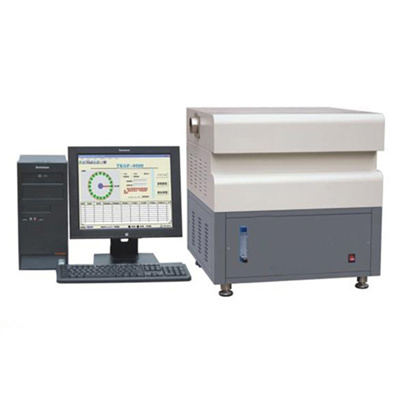
To accurately read the calorimeter data, you must first be familiar with its basic structure. The calorimeter is mainly composed of heating system, temperature measurement system, control system and other parts. Among them, the temperature measurement system is the key to the reading. It captures the temperature signal corresponding to the heat change through a high-precision sensor, providing the core basis for subsequent readings. Understanding the functions of each component can avoid reading errors caused by unfamiliar structures during operation.
Master the correct boot and warm-up process
Before turning on the calorimeter, check whether the power connection is stable to ensure that the device is in a safe environment. After turning it on, preheat according to the requirements of the equipment manual, generally the preheating time is 15-30 minutes. Preheating can make the internal components of the instrument reach a stable working state and ensure the accuracy of temperature measurement. If the preheating step is skipped to read directly, there may be data deviations due to the instability of the instrument, which will affect subsequent experiments or detection and analysis.
Execute sample placement operations accurately
When placing the sample to be tested into the special sample cell of the calorimeter, the sample volume should be strictly controlled. The sample volume needs to be determined according to the instrument range and sample properties. Too much or too little will affect heat transfer and temperature changes, which will interfere with the reading. When placing the sample, the action should be gentle to avoid sample spills or sample cell position deviation. Ensure that the sample is in good contact with the inside of the instrument to lay the foundation for accurate reading.
Standard read data steps
After the instrument is preheated and the sample is placed properly, enter the key reading link. Observe the display screen of the calorimeter, wait for the temperature curve to stabilize, and record the temperature value displayed at this time. Some high-end calorimeters have the function of automatic data recording, which can directly derive the reading results, but still need to manually check the integrity and accuracy of the data. During the reading process, keep the environment quiet to avoid external interference and cause reading errors.
Post-reading data recording and collation
After reading the data, record the data in a timely and accurate manner. The record content should include key elements such as sample information, test time, and reading value. At the same time, organize and analyze the results of multiple readings. If the data differ greatly, it is necessary to investigate the cause and re-test. Standardized data recording and sorting can not only provide a reliable basis for follow-up research, but also help to detect potential problems of the instrument in time to ensure the long-term stable operation of the calorimeter.
To master the reading method of the calorimeter, it is necessary to control the whole process from basic structure cognition, operation process specification to data recording and sorting. By strictly following the above steps, the calorimeter readings can be obtained quickly and accurately, providing strong support for various heat detection work.
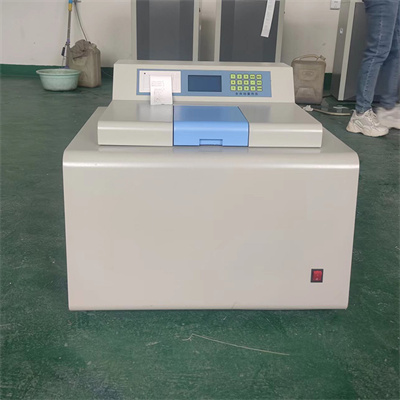 How to read calorimeter data
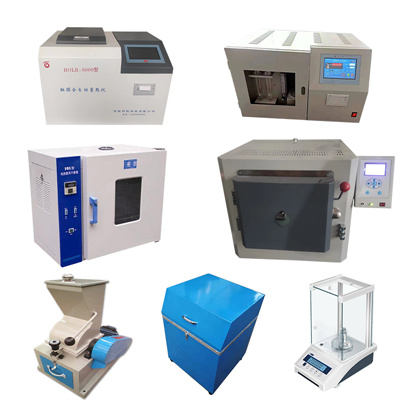 What is the design principle of a calorimeter?
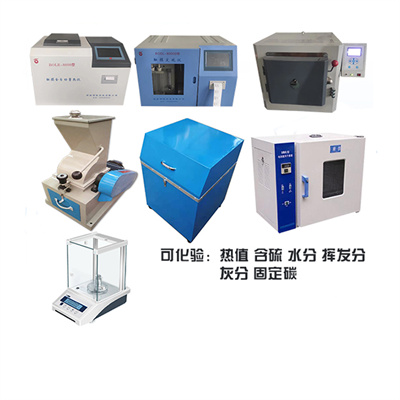 What is the harm of lack of water in the calorimeter?
 What is the input interface of the calorimeter?