How to mark the calorimeter?
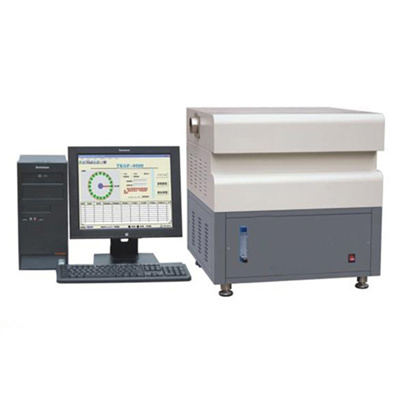
calorimeter is a key instrument for accurate measurement of heat, and its calibration directly affects the accuracy of measurement results. It is essential to master the correct calibration method.
preparatory work
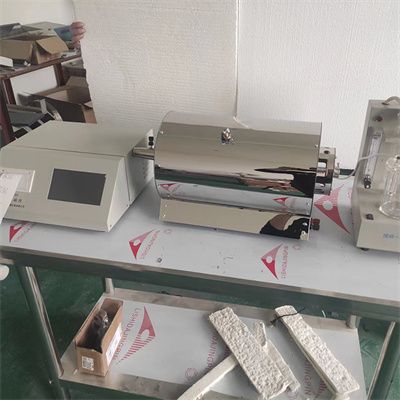
Before calibration, it is necessary to ensure that the calorimeter is in a stable operating state, check whether the appearance of the instrument is damaged, and whether the connecting parts are firm. At the same time, prepare a benzoic acid reference material that meets the accuracy requirements, and its calorific value needs to be accurately known, which is the core reference for calibration. In addition, auxiliary materials such as ignition wire and oxygen need to be prepared to ensure that the purity of oxygen is up to standard, so as to avoid impure oxygen affecting the calibration results.
Calibration specific operation steps
The first step is to accurately weigh an appropriate amount of benzoic acid and press it into a sheet to ensure that the tablet is tight and free of cracks. Put the tablet into a burning dish and connect the ignition wire to ensure that the ignition wire is in full contact with the tablet.
The second step is to put the combustion dish into the oxygen bomb of the calorimeter, and fill the oxygen bomb with an appropriate amount of oxygen. The oxygenation time needs to be strictly operated in accordance with the instrument instructions, generally controlled at about 30 seconds to ensure sufficient oxygen and stable pressure.
The third step is to put the oxygen bomb into the inner cylinder of the calorimeter, add an appropriate amount of distilled water, so that the water volume of the inner cylinder meets the specified range of the instrument, then cover the instrument cover and open the calibration procedure.
The fourth step is to record the relevant data after the instrument automatically completes the process of ignition, combustion, and temperature measurement, and calculate the heat capacity of the calorimeter based on the known calorific value of benzoic acid and the instrument measurement data.
Verification and adjustment after calibration
After the calibration is completed, a verification experiment is required. Measure again with benzoic acid standard material and compare the measurement results with the theoretical value. If the error is within the allowable range, the calibration is successful; if the error exceeds the range, re-check the calibration process and adjust the instrument parameters appropriately until the measurement results meet the requirements.
Calibration precautions
During the calibration process, the ambient temperature needs to be kept relatively stable to avoid large fluctuations in temperature affecting the measurement accuracy. Operators need to strictly follow the operating procedures, and each step of operation must be meticulous and careful to ensure accurate data records. At the same time, regular maintenance of the calorimeter is carried out to ensure good performance of the instrument and lay the foundation for subsequent calibration work.
Mastering the calibration method of the calorimeter can not only ensure the accuracy of the measurement data, but also prolong the service life of the instrument. By following the above steps, the calibration of the calorimeter can be easily completed, providing reliable data support for experiments and production.
 How to read calorimeter data
 What is the design principle of a calorimeter?
 What is the harm of lack of water in the calorimeter?
 What is the input interface of the calorimeter?