How to add water to a calorimeter
Preparation before adding water to the calorimeter
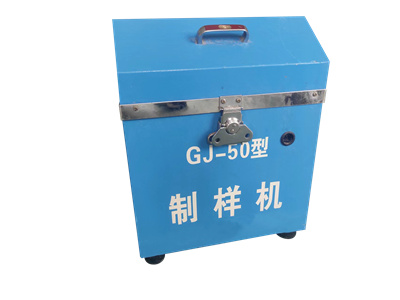
Before adding water to the calorimeter, make sure that the instrument is turned off and powered off to avoid the danger of electric shock during operation. At the same time, prepare water that meets the requirements. Generally speaking, it is recommended to use distilled water or deionized water. This kind of water has low impurity content and can reduce the interference to the measurement results of the calorimeter. In addition, prepare clean measuring cups, absorbent towels and other auxiliary tools to facilitate accurate water addition and subsequent cleaning.
The specific steps of adding water to the calorimeter
The first step is to find the water outlet of the calorimeter. Different models of calorimeters may have different positions of the water outlet. Common ones are located on the top or side of the instrument, and are usually clearly marked.
The second step is to slowly inject water into the filling port of the measuring cup. Control the speed during the water addition process to avoid water overflow. Pay attention to the water level scale of the instrument. When the water level reaches the specified scale range, stop adding water immediately. Generally speaking, the water level needs to be kept in the middle of the scale line, which can ensure the normal operation of the calorimeter.
The third step, after adding water, gently wipe the outside of the instrument with an absorbent towel to prevent water residue and affect the appearance and normal use of the instrument.
Precautions for adding water to the calorimeter
Control water quality: It is strictly forbidden to use tap water or water containing more impurities, otherwise it will cause scaling inside the instrument, affect the measurement accuracy, and even damage the instrument.
Avoid excessive or insufficient water levels: Excessive or low water levels can affect the measurement results of the calorimeter. Excessive water may overflow and damage the internal circuit of the instrument; insufficient water cannot guarantee the accuracy of the measurement.
Regularly check the water level: During the use of the calorimeter, check the water level regularly. When the water level decreases, replenish the required water in time to ensure that the instrument is always in good working condition.
Mastering the correct method of adding water to the calorimeter can not only ensure the measurement accuracy of the instrument, but also prolong the service life of the instrument. Follow the above steps and precautions to easily complete the water addition work of the calorimeter.
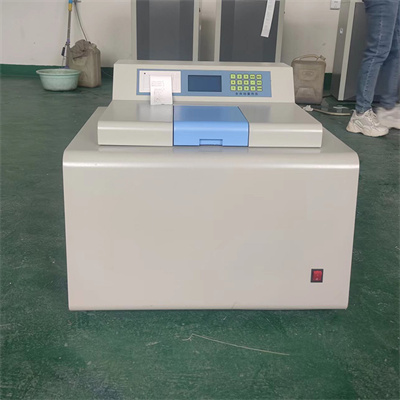 How to read calorimeter data
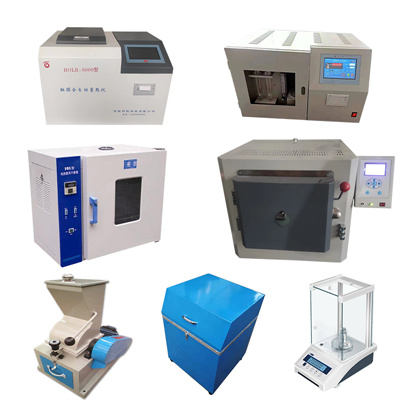 What is the design principle of a calorimeter?
 What is the harm of lack of water in the calorimeter?
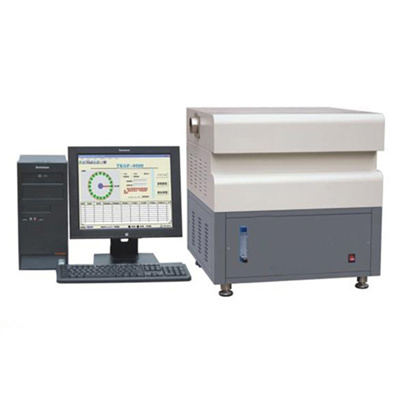 What is the input interface of the calorimeter?