The reason for the calorimeter failure
In scientific research, chemical industry and other fields, calorimeters are the key equipment for accurately measuring heat. However, during the experiment, the calorimeter often fails, which affects the experimental progress and results. Here is a detailed analysis of the common reasons for the failure of calorimeters.
The operation process is not standardized.
Operators are not familiar with the operation process of the calorimeter, which is a common factor that leads to failure. For example, if the sample is not weighed and loaded strictly according to the instructions, too much or too little sample volume will make the measurement results deviate greatly. Rough operation when loading samples may damage the internal parts of the instrument and affect the heat transfer and measurement accuracy. In addition, not setting the instrument parameters correctly, such as temperature, time, etc., can also directly lead to experimental failure.
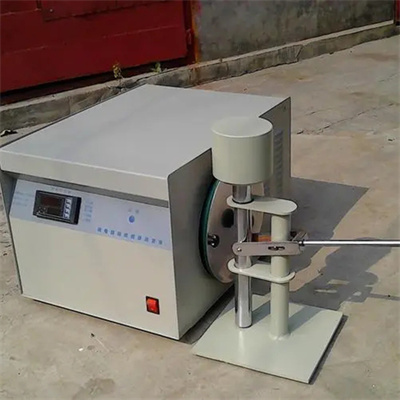
Equipment failure
The long-term use of the calorimeter makes the equipment components prone to aging and damage. For example, the performance of the heating element decreases, and the required heat cannot be provided stably, resulting in inaccurate measurement; the temperature sensor malfunctions, and the temperature change cannot be accurately fed back, resulting in distortion of the measurement data. In addition, the poor sealing performance of the instrument and the loss of heat will also seriously affect the measurement results. If these equipment failures are not investigated and repaired in time, the experiment will inevitably be difficult to succeed.
Environmental factors
The experimental environment has a significant impact on the measurement results of the calorimeter. Excessive temperature fluctuations will make it difficult to stabilize the internal temperature of the instrument, affecting the accuracy of heat measurement. Excessive humidity may cause moisture in the internal components of the instrument, causing short circuits and other failures. In addition, there is strong electromagnetic interference around, which will also interfere with the normal operation of the instrument and cause abnormal measurement data.
Sample characterization problem
The characteristics of the sample itself may also cause the calorimeter to fail. If the sample is corrosive, it may corrode the internal parts of the instrument and affect the performance of the instrument. The sample reacts too violently, generating a large amount of gas or heat, which is beyond the measurement range of the instrument, and will also lead to measurement failure. In addition, the sample is not uniform and the degree of reaction in different parts will also make the measurement results inaccurate.
Understanding these reasons for the failure of the calorimeter helps us to make full preparations before the experiment, standardize the operation process, maintain the equipment regularly, control the experimental environment, and select suitable samples, so as to effectively avoid failure and ensure the smooth progress of the experiment.
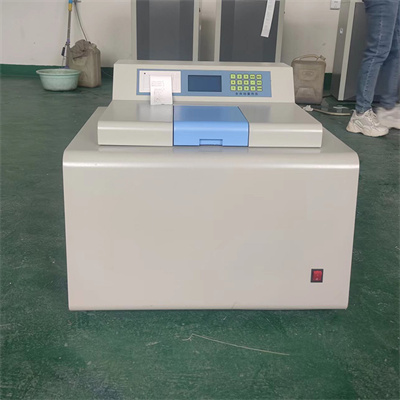 How to read calorimeter data
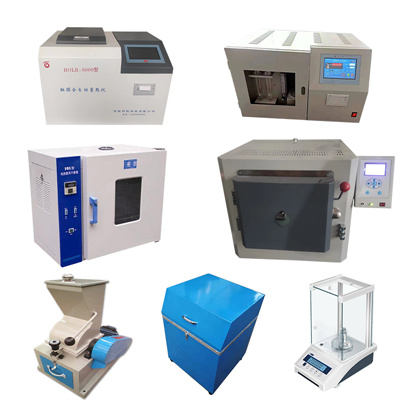 What is the design principle of a calorimeter?
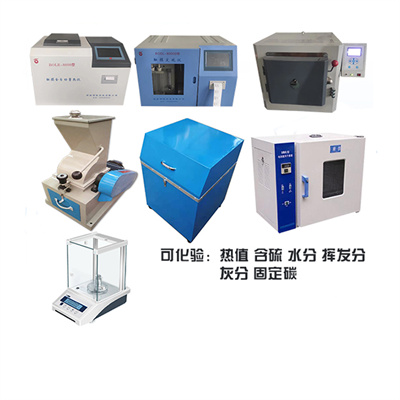 What is the harm of lack of water in the calorimeter?
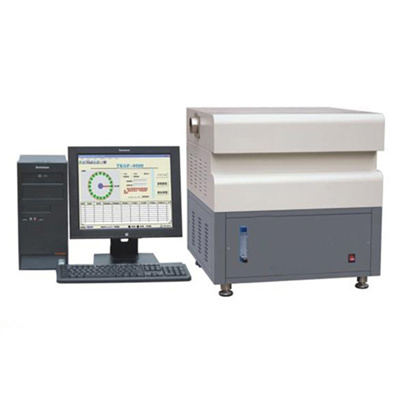 What is the input interface of the calorimeter?