How to keep the temperature constant in a calorimeter
The calorimeter plays a key role in many experiments and detection scenarios, and accurate constant temperature is the core premise to ensure the accuracy of its measurement. The following is a detailed introduction to the method of calorimeter to achieve constant temperature.
Understanding the principle of constant temperature is fundamental
The constant temperature system of a calorimeter generally operates with the help of heat exchange and temperature feedback control mechanisms. The built-in heating or cooling components of the instrument automatically adjust the energy output according to the difference between the set temperature and the real-time temperature. When the temperature is lower than the set value, the heating component starts to heat up; above the set value, the cooling component intervenes to cool down to maintain temperature stability.
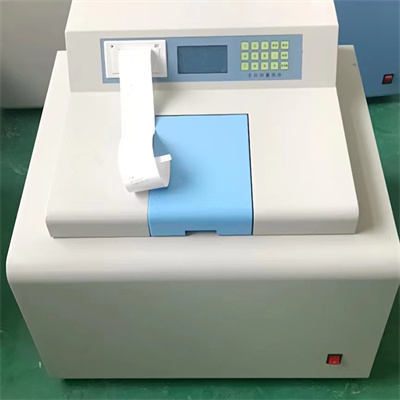
Correct operation of constant temperature steps
1. Boot preheating: After turning on the calorimeter, let it preheat for 15-30 minutes to enable the internal components to reach a stable working state and lay the foundation for subsequent constant temperature.
2. Set temperature: According to the experimental requirements, accurately enter the target constant temperature temperature on the instrument operation interface, and carefully check when entering to avoid input errors.
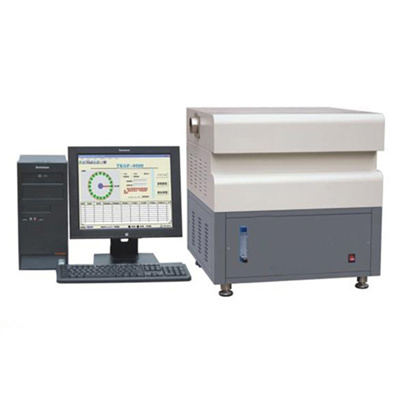
3. Start the constant temperature program: After setting the temperature, start the constant temperature function, and the instrument will automatically turn on the temperature adjustment. During this period, the temperature change can be monitored in real time through the display screen.
4. Observation and calibration: During the constant temperature process, if it is found that the temperature fluctuation exceeds the allowable range, it is necessary to refer to the instrument manual in time to fine-tune and calibrate the constant temperature parameters to ensure stable temperature.
Daily maintenance to ensure constant temperature effect
Regularly clean the heat sink and temperature sensor of the calorimeter to prevent dust accumulation from affecting the heat dissipation and temperature sensing accuracy. At the same time, avoid placing the instrument in an environment with drastic temperature changes and strong magnetic field interference, create a stable operating environment for the calorimeter, and ensure the long-term stability and reliability of the constant temperature function. Mastering these methods can easily make the calorimeter achieve accurate and constant temperature, providing strong support for experiments.
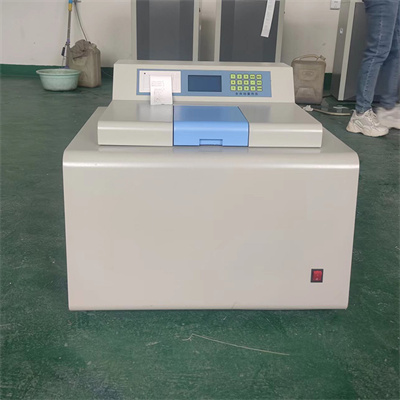 How to read calorimeter data
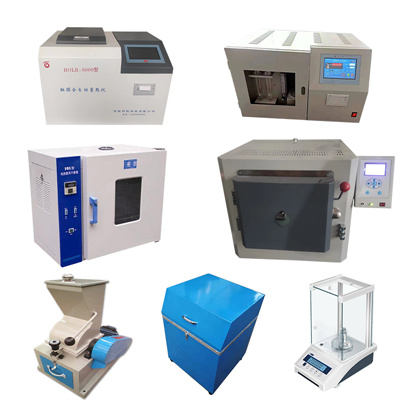 What is the design principle of a calorimeter?
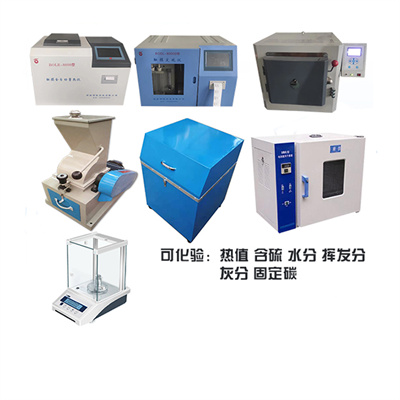 What is the harm of lack of water in the calorimeter?
 What is the input interface of the calorimeter?