Is the exhaust gas from the calorimeter toxic?
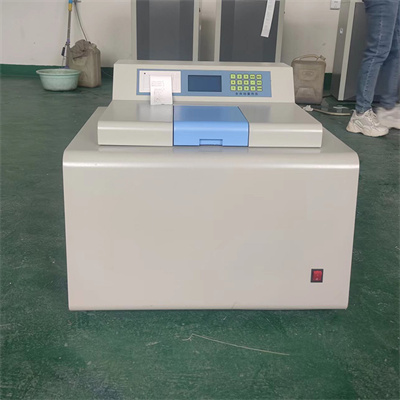
When using a calorimeter in a laboratory to carry out relevant testing work, many people will worry about whether the exhaust gas emitted by the calorimeter is toxic or not. This question concerns the health of operators and laboratory safety. The following is a detailed answer based on professional knowledge.
The core components of calorimeter exhaust gas
The working principle of the calorimeter is mostly based on the combustion method. When the sample is burned and tested, a certain amount of exhaust gas will be produced. Its main components include carbon dioxide and water vapor, which are the basic products of the sample after complete combustion and are non-toxic in themselves. However, it should be noted that if the sample composition is complicated or the instrument burns incompletely, the exhaust gas may also contain carbon monoxide, nitrogen oxides, and a small amount of volatile organic compounds.
Key Analysis: Toxicity of Exhaust Gas
1. Low toxicity characteristics under normal conditions: When the calorimeter is operating properly, the sample pretreatment is qualified, and the instrument is in good working condition, the content of harmful substances such as carbon monoxide and nitrogen oxides in the exhaust gas is extremely low, usually meeting the laboratory emission standards. It will not cause obvious harm to the human body in the short term, and only shows a slight irritating odor.

2. Toxicity risk under abnormal working conditions: If the instrument is not properly maintained, such as a blocked combustion chamber and insufficient oxygen supply, it will lead to insufficient combustion and a significant increase in carbon monoxide concentration. Carbon monoxide is a highly toxic gas. After inhalation, it will combine with hemoglobin and hinder oxygen delivery, causing dizziness, nausea, and even life-threatening in severe cases. In addition, if special samples containing nitrogen and sulfur are detected, nitrogen oxides and sulfur dioxide may also be produced. These gases are highly irritating, and long-term inhalation will damage the respiratory mucosa and cause inflammation.
Key operating points for ensuring safety
In order to completely avoid the health risks posed by exhaust gas, operators must adhere to the following regulations:
- Do a good job in the daily maintenance of the instrument: regularly clean the combustion chamber and check the oxygen supply system to ensure full combustion and reduce the generation of toxic waste gas from the source.
Equipped with professional ventilation equipment: The laboratory must install an efficient fume hood or exhaust system to ensure that the exhaust gas is discharged in a timely manner to avoid accumulation indoors.
Standardized operation and protection: Operators are required to wear protective masks and operate in strict accordance with the instrument instructions to avoid abnormal exhaust emissions caused by illegal use.
In summary, the exhaust gas discharged by the calorimeter is not absolutely toxic, and its toxicity is closely related to the working conditions of the instrument, the nature of the sample and the operating specifications. As long as the instrument is well maintained, ventilated and standardized, the safety hazards caused by the exhaust gas can be effectively eliminated and the experiment can be carried out safely.
 How to read calorimeter data
 What is the design principle of a calorimeter?
 What is the harm of lack of water in the calorimeter?
 What is the input interface of the calorimeter?