How to set up the calorimeter
As a key instrument for accurately measuring heat, calorimeters are widely used in energy, chemical and other fields. Correct setting of calorimeters is the core premise to ensure accurate measurement results. Below, I will introduce the setting method of calorimeters in detail.
First, preliminary preparations
Before setting up the calorimeter, make sure that the instrument is in good condition. Check whether the appearance of the instrument is damaged and whether the power connection is stable. At the same time, prepare standard samples for subsequent calibration operations, and ensure that the temperature of the experimental environment is stable to avoid environmental fluctuations affecting the measurement accuracy.
II. Basic parameter settings
After turning on the calorimeter, enter the parameter setting interface. First set the measurement mode, and choose the isothermal or adiabatic type according to the actual needs. Next, set the temperature range, and adjust it reasonably according to the characteristics of the sample to ensure that the measurement process is carried out within the temperature range allowed by the instrument. In addition, the measurement time needs to be set, and the measurement time needs to be accurately controlled according to the reaction characteristics of the sample to ensure the integrity of the data.
III. Calibration and debugging
Calibration is a key step in setting up a calorimeter. Use standard samples and perform calibration operations according to the instrument operation process. If the calibration results deviate greatly, the instrument needs to be debugged. Check whether the sensor is normal. If the sensor is abnormal, replace it in time. If the parameter settings are wrong, readjust the parameters until the calibration results meet the requirements.
IV. Sample measurement settings
After completing the basic setup and calibration, enter the sample measurement link. Weigh the sample accurately, put it into the measurement container of the calorimeter, and close the container to ensure sealing. Then, enter the sample quality and other information on the operation interface to start the measurement program. During the measurement process, closely observe the running status of the instrument to ensure the smooth progress of the measurement.
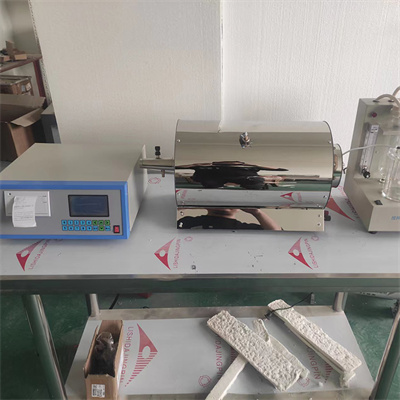
Mastering the setting method of the calorimeter can significantly improve the measurement efficiency and accuracy. By strictly following the above steps and accumulating experience, the calorimeter can perform at its best and provide reliable data support for scientific research and production.
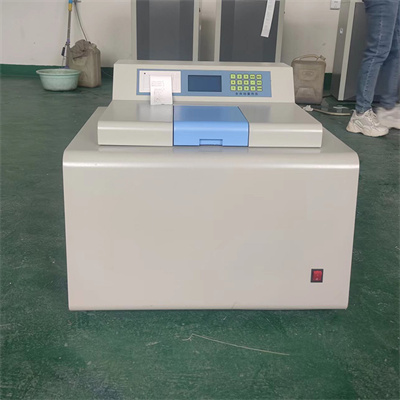 How to read calorimeter data
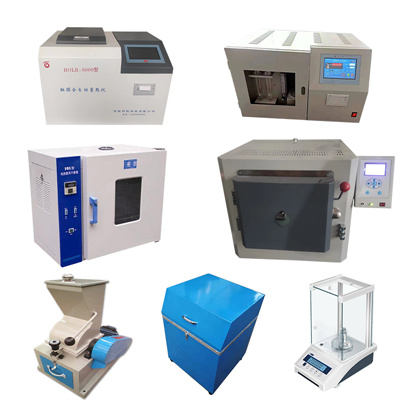 What is the design principle of a calorimeter?
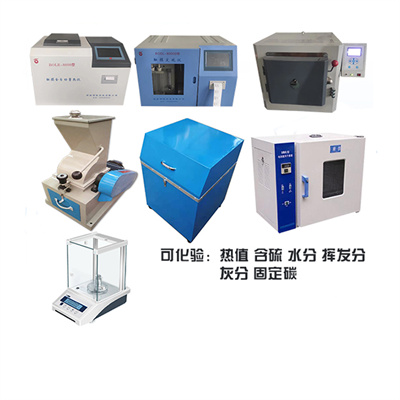 What is the harm of lack of water in the calorimeter?
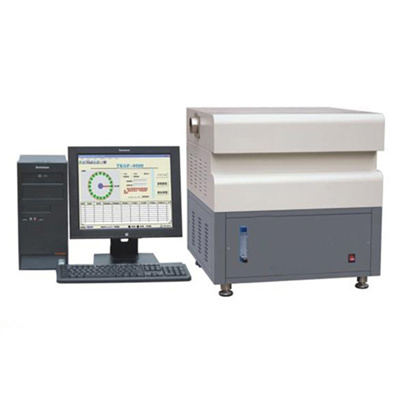 What is the input interface of the calorimeter?