How to calibrate a calorimeter
As a key device for accurately measuring heat, calorimeters play an important role in many fields such as energy, chemical industry, and scientific research. Calibration is the core link to ensure the accuracy of calorimeter measurement data. Here is a detailed introduction to the calibration method of calorimeters.
Preparation before calibration
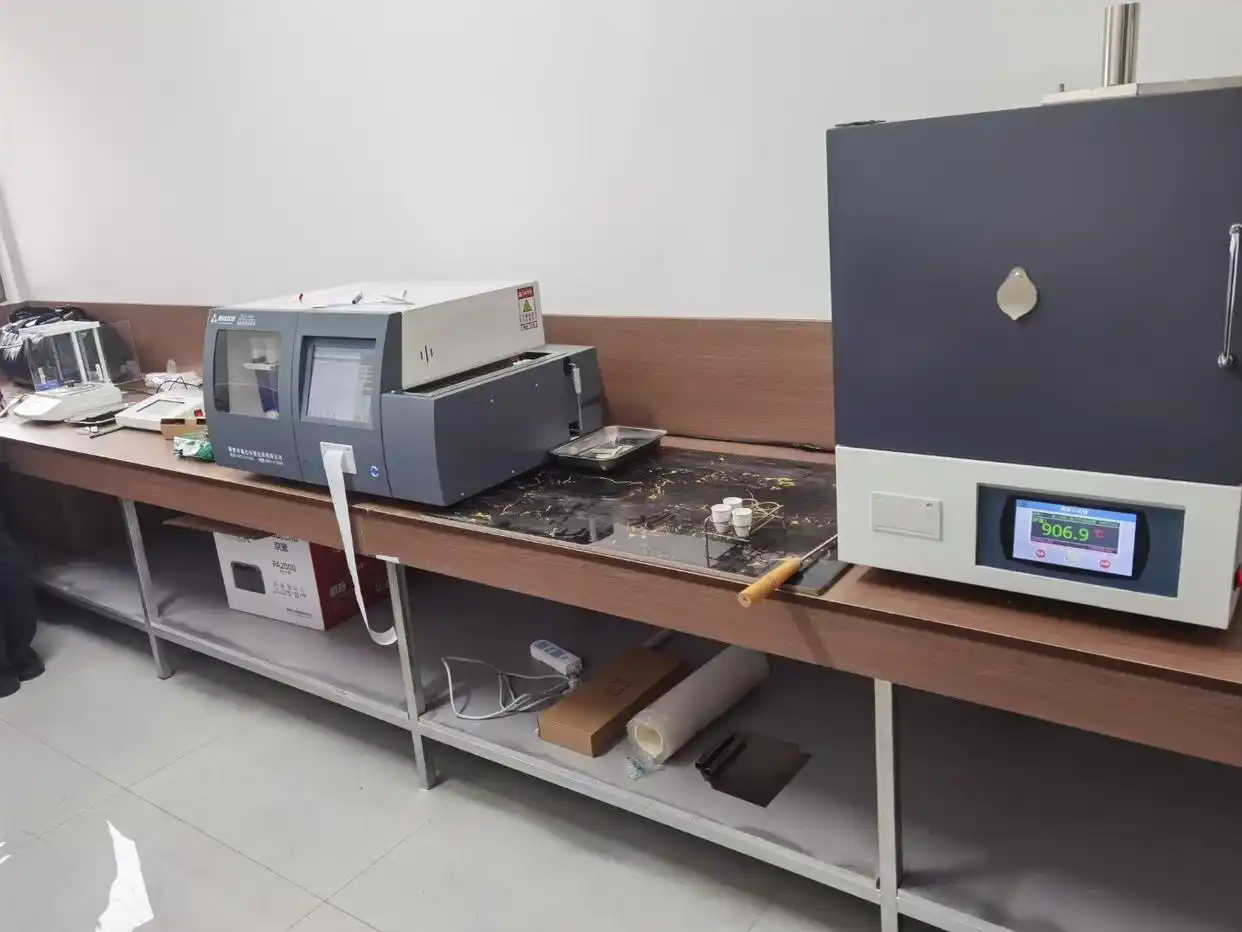
Before carrying out the calibration work, it is necessary to make full preparations. First of all, ensure that the appearance of the calorimeter is intact, without damage or stains, and the components are firmly connected. At the same time, prepare standard materials, such as benzoic acid, whose calorific value is accurate and stable, and is a commonly used calibration material. Also equipped with professional ignition wires, oxygen cylinders and other auxiliary equipment, and ensure that the oxygen purity meets the requirements. In addition, the calibration environment needs to keep the temperature stable, avoid direct light and air convection, and prevent environmental factors from interfering with the calibration results.
Key calibration steps
1. Instrument warm-up: Turn on the calorimeter and let it warm up for a period of time, usually not less than 30 minutes, so that the internal temperature of the instrument reaches a stable state to ensure the accuracy of subsequent measurements.
2. Weighing reference materials: Use a high-precision balance to accurately weigh a certain quality of reference materials, such as benzoic acid, to four decimal places. The weighing process should be quick to avoid the standard material absorbing moisture in the air.
3. Sampling and ignition: Put the weighed standard material into the combustion dish, install the ignition wire, and ensure that the ignition wire is in good contact with the standard material. Then put the combustion dish into the oxygen bomb of the calorimeter, fill it with an appropriate amount of oxygen, and ignite according to the specified procedures.
4. Data collection and calculation: After successful ignition, the calorimeter will automatically collect temperature change data. According to the collected data, combined with the calorific value of the standard material, calculate the actual heat capacity of the calorimeter. By comparing with the theoretical heat capacity, determine whether the calorimeter needs to be adjusted.
Verification and Precautions after Calibration
After the calibration is completed, a verification experiment is required. Measurements are made using the standard material again. If the deviation between the measurement result and the standard value is within the allowable range, the calibration is successful. If the deviation is large, the calibration process needs to be re-checked to find the problem and solve it.
During the calibration process, attention should be paid to the operating specifications to avoid errors caused by human factors. Each calibration should record the relevant data in detail and establish a calibration file for subsequent inquiry and comparison. At the same time, the calorimeter should be calibrated regularly to ensure that it always maintains good measurement performance and provides reliable data support for scientific research and production.
 How to read calorimeter data
 What is the design principle of a calorimeter?
 What is the harm of lack of water in the calorimeter?
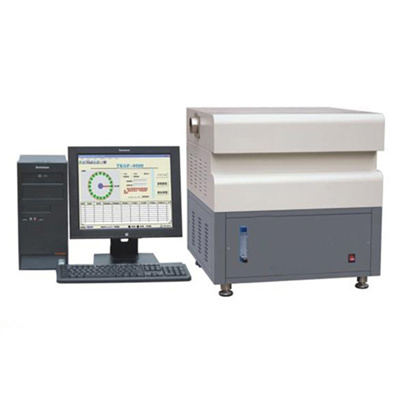 What is the input interface of the calorimeter?