How to change the water in the inner barrel of the calorimeter
Changing the water in the inner barrel of the calorimeter is a key link to ensure the accurate measurement of the instrument, and it is crucial to master the correct water change method. The following introduces the water change steps in detail for you, which are simple and easy to learn at a glance.
Prepare before changing the water
Before changing the water, be sure to turn off the power of the calorimeter to ensure safe operation. At the same time, prepare clean distilled or deionized water, as well as clean rags, buckets and other tools. In addition, check whether the inner bucket of the calorimeter is damaged or leaking. If any problems are found, replace or repair it in time.
drainage operation
Locate the drain port of the inner bucket of the calorimeter, usually located at the bottom of the inner bucket. Connect one end of the drain pipe to the drain port and put the other end into the prepared bucket. Open the drain valve and let the water in the inner bucket drain slowly. During the drainage process, pay attention to the water flow. If the drainage is not smooth, it may be that the drain port is blocked with debris and needs to be cleaned up in time. After the water is drained, close the drain valve.
Clean the inner bucket
After draining the water, wipe the inner wall of the inner bucket with a clean rag to remove residual water stains and dirt. For stubborn stains, a special detergent can be used for cleaning, but care should be taken to avoid detergent residues. After cleaning, rinse the inner bucket with water again to ensure that the inner bucket is clean and odor-free.
Water addition operation
Slowly pour the prepared distilled water or deionized water into the inner bucket of the calorimeter. When adding water, pay attention to observe the water level to avoid overflowing with too much water. Generally, the inner bucket of the calorimeter has a water level scale line, and you can add water to the vicinity of the scale line. After adding water, cover the lid of the inner bucket to ensure a good seal.
Inspection and debugging
After the water change is completed, turn on the power supply of the calorimeter and check whether the functions of the instrument are normal. Run the calorimeter to observe whether the measurement data is stable. If there is any abnormality, you need to re-check the water change steps to troubleshoot the problem.
Precautions
1. During the water change process, handle it with care to avoid colliding with the inner barrel and causing damage.
2. Regularly replace the water in the inner barrel. It is generally recommended to replace it every 1-2 weeks according to the frequency of use to ensure the accuracy of measurement.
3. If the calorimeter is not used for a long time, the water in the inner bucket should be emptied to prevent the deterioration of the water and the growth of bacteria, which will affect the performance of the instrument.
By mastering the above methods of changing the water in the inner barrel of the calorimeter, you can easily complete the water change work, ensure that the calorimeter always maintains a good operating condition, and provide a strong guarantee for accurate measurement.
 How to read calorimeter data
 What is the design principle of a calorimeter?
 What is the harm of lack of water in the calorimeter?
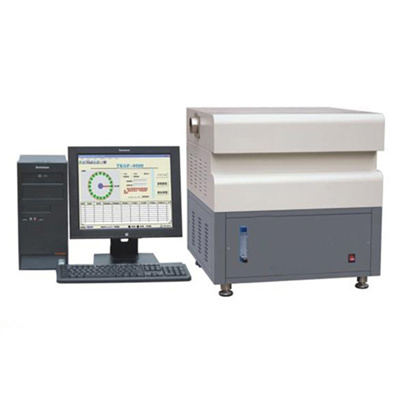 What is the input interface of the calorimeter?