How to choose the power of a cone calorimeter
In the field of material combustion performance testing, the cone calorimeter plays a key role, and the choice of its power directly affects the test effect and accuracy. Only by choosing the right power can the test work proceed smoothly.
Clear testing requirements are a prerequisite
When selecting the power of a cone calorimeter, the test requirements must first be anchored. If the combustion heat release rate test of conventional building materials and plastic products is mainly carried out, and the test sample size is conventional and the heat radiation demand is stable, a medium-power cone calorimeter can be selected to meet the demand. This kind of power equipment consumes moderate energy and is suitable for most conventional test scenarios. However, if it involves special materials, such as high-temperature resistant composites for aerospace, or needs to simulate extreme fire scenarios and test large-size samples, high-power equipment must be selected. High power can provide stronger heat radiation, accurately replicate the harsh testing environment, and ensure that the test data is true and effective.
Orientation considering sample characteristics
The combustion characteristics and size of the sample are an important basis for power selection. For samples with intense combustion and large heat release, low-power equipment is difficult to achieve sufficient heat radiation intensity, which will lead to distortion of test data, and must match high power; for samples with gentle combustion and small heat release, high power will cause waste of resources, and low-power equipment is more suitable. At the same time, the larger the sample size, the wider the coverage of heat radiation required, and the higher the power requirements. High-power cone calorimeter should be preferred for large-size sample testing.
Make decisions based on equipment performance
Different types of cone calorimeters have differences in power adjustment range and stability. When choosing, pay attention to the power adjustment accuracy of the equipment. High-precision adjustment can adapt to different test intensity requirements and avoid test errors due to rough power adjustment. In addition, the heat dissipation performance of the equipment is also crucial. Under high power operation, poor heat dissipation will affect the stability and service life of the equipment. Preference is given to equipment with a complete heat dissipation system to ensure stable power output and ensure long-term reliable testing.
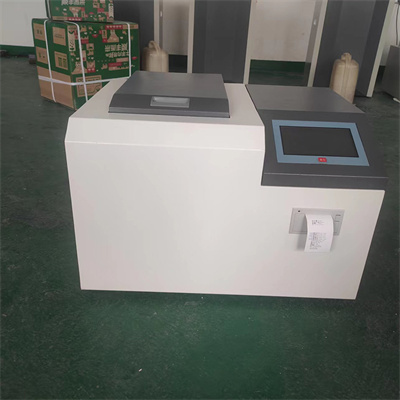
In short, the power selection of cone calorimeter needs to integrate test requirements, sample characteristics and equipment performance, and accurate matching can make the test work efficient and accurate, and lay a solid foundation for material security evaluation.
 How to read calorimeter data
 What is the design principle of a calorimeter?
 What is the harm of lack of water in the calorimeter?
 What is the input interface of the calorimeter?