How often does the calorimeter water change?
When using a calorimeter to carry out experimental work, the state of the calorimeter water plays a key role in the accuracy of the experimental results, so it is necessary to master the timing and method of replacing the calorimeter water.
Replacement cycle of calorimeter water
The replacement cycle of the calorimeter water is not fixed, it is affected by many factors. Generally speaking, if the frequency of the experiment is high and the instrument runs continuously for a long time, it is recommended to replace it every 1-2 months. If the frequency of the experiment is low, it can be appropriately extended to 3-6 months. In addition, when the calorimeter water is found to be turbid, smelly, or the measurement accuracy of the instrument is significantly reduced, it should be replaced immediately, even if it is not the regular replacement time.
How to replace the calorimeter water
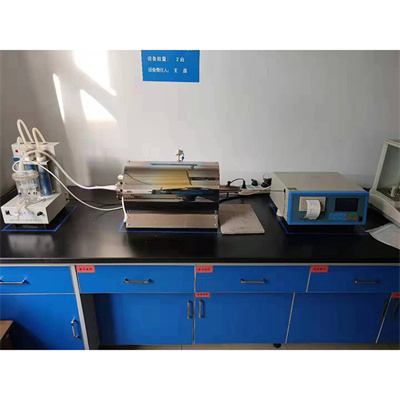
When replacing the water in the calorimeter, first turn off the power supply of the calorimeter to ensure safe operation. Next, open the drain valve of the instrument and completely empty the old water. After emptying, rinse the inside of the instrument with clean distilled water to remove residual impurities. After flushing is completed, close the drain valve and slowly inject new distilled water until the water level reaches the specified scale line. During the injection process, care should be taken to avoid bubbles, so as not to affect the measurement results.
Precautions for water replacement of calorimeter
When replacing the calorimeter water, be sure to use distilled water that meets the requirements. Do not replace it with tap water at will, because impurities in tap water will affect the performance of the instrument. During the operation, strictly follow the instrument operating procedures to avoid damage to the instrument due to improper operation. After the replacement is completed, the instrument needs to be calibrated to ensure the measurement accuracy. At the same time, keep a record of the replacement to facilitate subsequent traceability and management.
Mastering the key points of replacing the calorimeter water can not only ensure the normal operation of the calorimeter, but also improve the accuracy of the experimental data and provide reliable support for scientific research and production.
 How to read calorimeter data
 What is the design principle of a calorimeter?
 What is the harm of lack of water in the calorimeter?
 What is the input interface of the calorimeter?