What is a calorimeter crucible?
The crucible of calorimeter is the key component of calorimeter to carry out heat measurement, which directly carries the sample to participate in the combustion reaction and plays a decisive role in the accuracy of the experimental results.
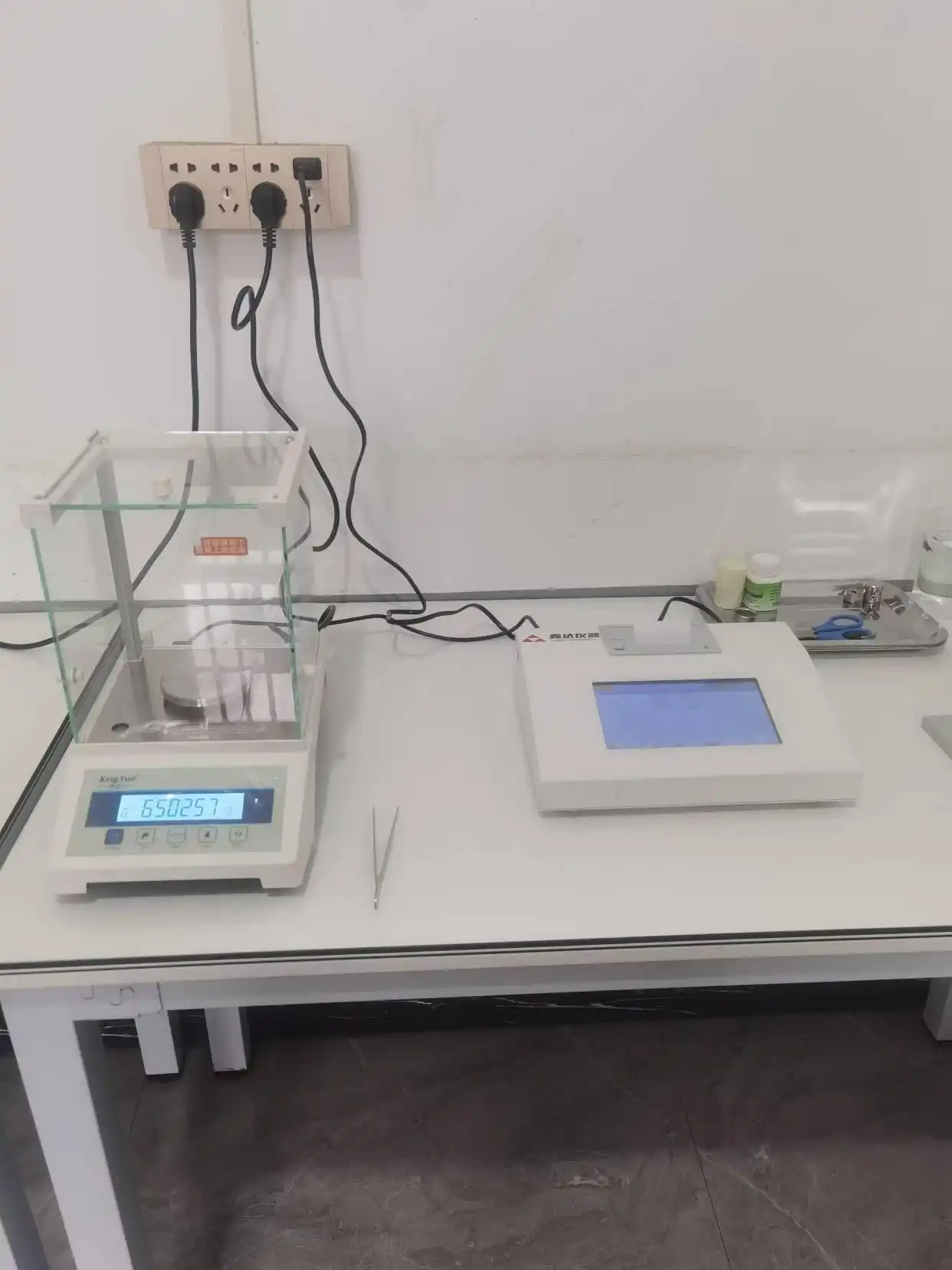
Core role and working principle
In the operation process of the calorimeter, the crucible undertakes the core task of holding the sample to be tested. When the sample is fully burned in a closed environment filled with oxygen, the crucible must not only stably carry the sample, but also ensure that the heat is efficiently and evenly transferred to the temperature measurement system of the calorimeter. By accurately capturing the heat released by combustion, and then calculating the calorific value of the sample, the whole process cannot be separated from the stable support of the crucible for the reaction environment.
Common materials and characteristics
Calorimeter crucibles are mostly made of high-quality materials that are resistant to high temperature and corrosion, and are commonly made of stainless steel, ceramics and quartz. Stainless steel crucibles have high strength and can cope with frequent operations, making them suitable for routine sample testing; ceramic crucibles have excellent high temperature resistance, which can meet the needs of high temperature combustion, and have strong chemical stability and are not easy to react with samples; quartz crucibles have excellent thermal stability and can maintain stable performance in sudden cooling and sudden heating environments. They are suitable for high-precision testing scenarios that require strict experimental conditions.
Key points of use and maintenance
Before use, it is necessary to carefully check the appearance of the crucible to ensure that there are no cracks, deformation and other damage to avoid sample leakage or incomplete combustion due to crucible defects. After each experiment, it is necessary to clean up the residual combustion products on the inner wall of the crucible in time to prevent scale from affecting the accuracy of subsequent experiments. When not in use for a long time, the crucible should be washed and dried and stored in a dry and clean environment to avoid moisture rust or contamination with impurities, so as to prolong the service life of the crucible and ensure the reliability of the test data of the calorimeter.
Mastering the relevant knowledge of the calorimeter crucible and standardizing the operation and maintenance are important prerequisites for ensuring the accurate operation of the calorimeter and obtaining reliable experimental data, which can lay a solid foundation for various heat measurement experiments.
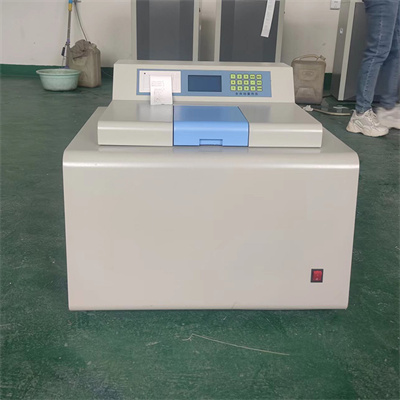 How to read calorimeter data
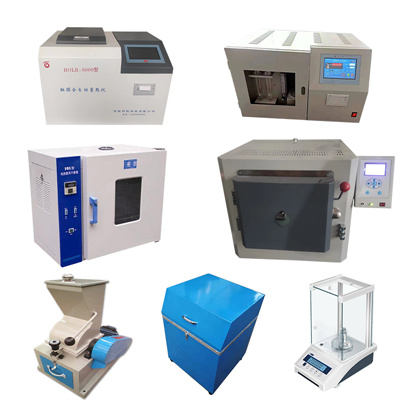 What is the design principle of a calorimeter?
 What is the harm of lack of water in the calorimeter?
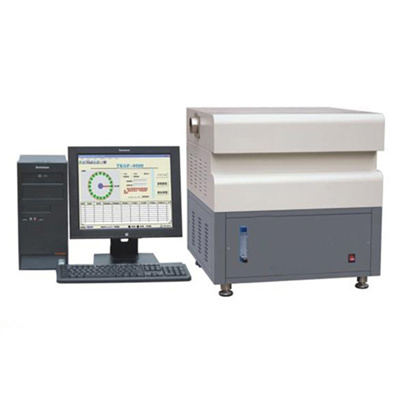 What is the input interface of the calorimeter?