How to adjust the curve of a calorimeter
First, preliminary preparations
Before adjusting the curve of the calorimeter, make sure that the instrument is in stable operation. Check whether the power supply and circuit connection of the calorimeter are normal, and clean the measuring parts of the instrument to avoid dust and impurities affecting the measurement accuracy. Prepare the standard sample, and its calorific value should be accurately known, which is a key reference for the subsequent calibration curve.
Enter the calibration mode
Turn on the calorimeter, and after the instrument completes the self-test, enter the calibration operation interface. The operation interface of different models of calorimeters is slightly different, but the core calibration function entrance is similar. You can find the "Curve Calibration" option through the instrument menu bar, and click to enter the calibration process.
III. Set calibration parameters
On the calibration interface, enter key parameters such as sample quality and estimated calorific value according to the standard sample information. Some calorimeters need to manually set the number of calibration points. It is recommended to set 3-5 calibration points to cover the commonly used measurement range to ensure the accuracy of curve fitting.
IV. Conduct calibration tests
Put the standard sample into the calorimeter measurement compartment and start the measurement procedure. After the instrument completes the measurement, the data will be automatically recorded and compared with the preset parameters to generate a calibration curve. If the measurement data deviates greatly from the standard value, check whether the sample weighing is accurate or whether there is an operation error.
Verify the calibration effect
After the calibration is completed, another set of standard samples with known calorific value is selected for verification test. If the measurement result of the verification sample is within the allowable range of the standard value, the curve calibration is successful; if the error exceeds the standard, the calibration steps need to be re-checked, and the parameters need to be adjusted before calibration.
Save the calibration curve
After confirming that the calibration effect is up to standard, save the calibration curve data in time to avoid repeated calibration due to instrument restart or data loss. Some calorimeters support curve data backup, which can be backed up regularly to ensure the stability of instrument measurement.
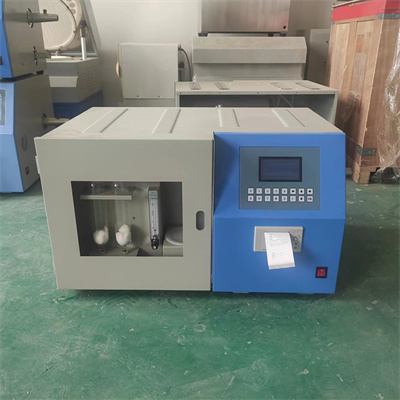
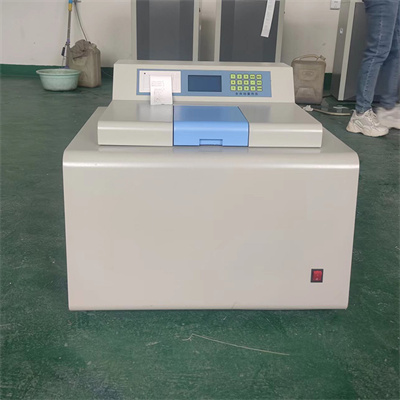 How to read calorimeter data
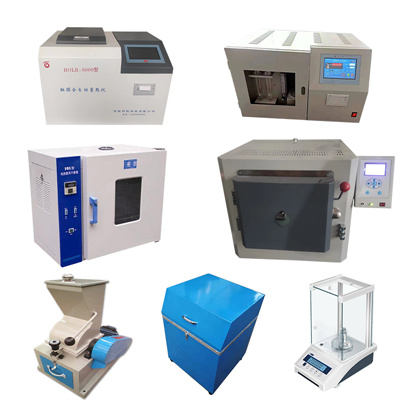 What is the design principle of a calorimeter?
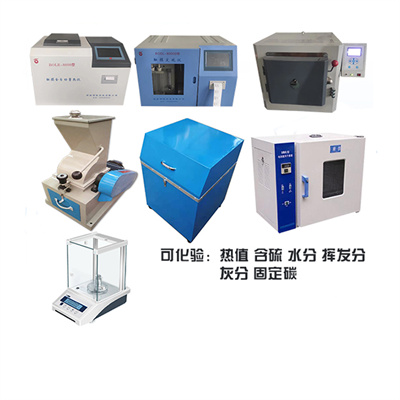 What is the harm of lack of water in the calorimeter?
 What is the input interface of the calorimeter?