What kind of oxygen does a calorimeter need?
calorimeters play a crucial role in the detection of calorific value in coal, chemical and other industries, and oxygen, as one of the core elements of the operation of calorimeters, directly affects the accuracy of the detection results.
The strict requirements of a calorimeter for oxygen purity
During the working process of the calorimeter, oxygen is required to fully participate in the combustion reaction to ensure that the sample is completely burned, so as to accurately determine the calorific value. Therefore, the calorimeter has strict requirements on the purity of oxygen, and generally requires the use of oxygen with a purity of not less than 99.5%. If the purity of oxygen is insufficient, the sample will not burn sufficiently, resulting in low detection results, which seriously affects the accuracy and reliability of the data.
Selection criteria for oxygen types
Calorimeters usually use industrial pure oxygen instead of ordinary air or other mixed gases. Industrial pure oxygen goes through a strict purification process to effectively avoid the interference of impurities on the combustion reaction. At the same time, the oxygen cylinder needs to be kept clean and dry to prevent impurities such as moisture and oil from mixing in, so as not to affect the combustion effect or even damage the instrument parts.
The stability of oxygen supply is guaranteed
A stable oxygen supply is the key to the normal operation of the calorimeter. During the experiment, to ensure the stability of the oxygen pressure, it is generally necessary to control the oxygen pressure between 0.28MPa and 0.3MPa. If the pressure is too high or too low, it will affect the oxygen flow, which in turn affects the combustion state of the sample, resulting in deviations in the test results. Therefore, when connecting the oxygen cylinder and the calorimeter, it is necessary to carefully check the connection pipeline to ensure that there is no leakage, and it is equipped with a pressure reducing valve to precisely adjust the oxygen pressure.
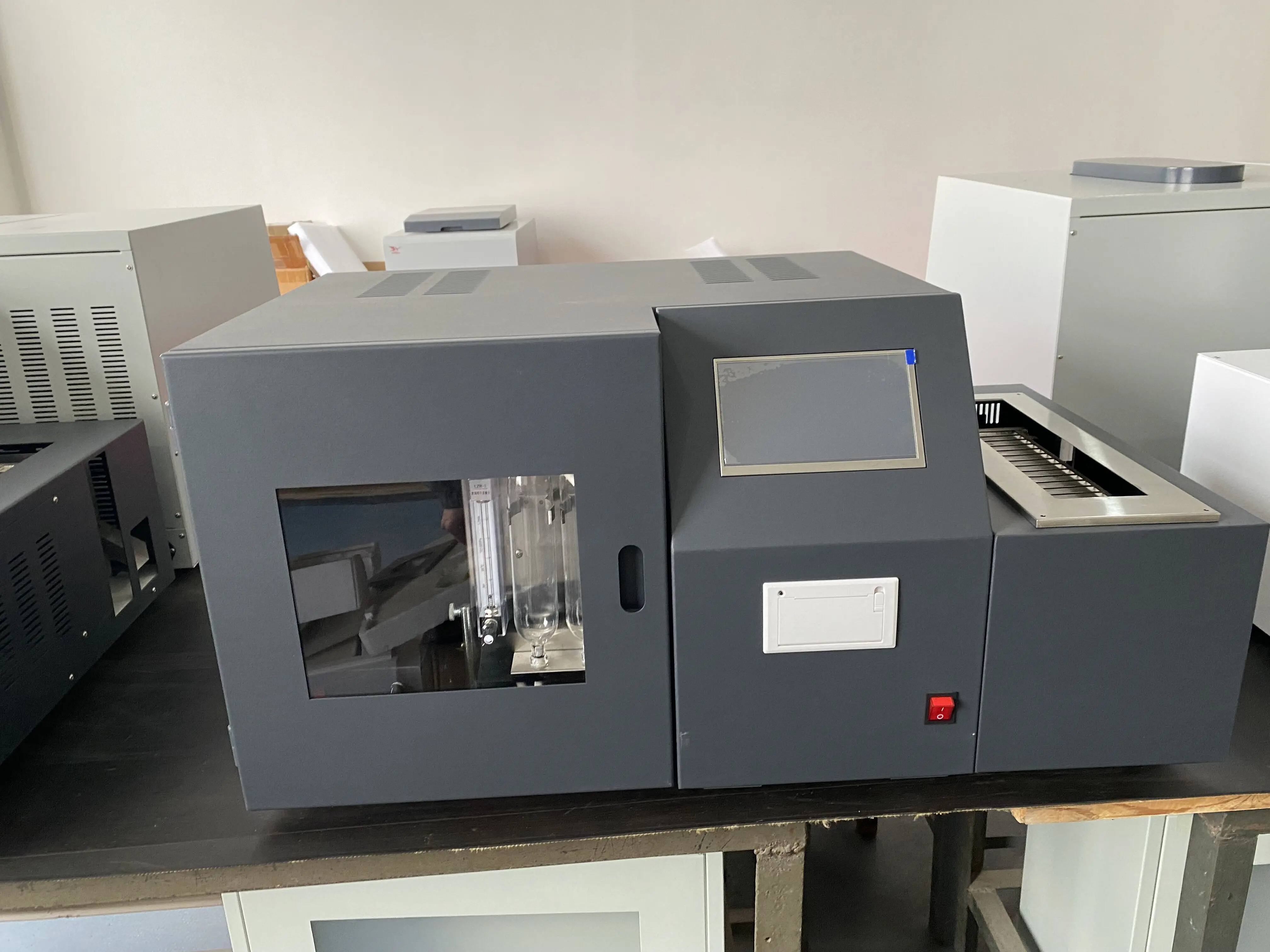
Safety precautions for oxygen use
Oxygen is a combustion-supporting gas with flammable and explosive characteristics. When using a calorimeter, great attention must be paid to safety. Oxygen cylinders should be kept away from fire and heat sources, avoid direct sunlight, and placed in a well-ventilated place. Smoking or open flame operations near oxygen cylinders are strictly prohibited to prevent explosion accidents. At the same time, operators need to be professionally trained to use oxygen in strict accordance with operating procedures to ensure experimental safety.
In short, the requirements of the calorimeter for oxygen involve purity, type, supply stability and safe use. Only by strictly controlling these points can the accuracy of the calorimeter test results be guaranteed and reliable support for the calorific value detection work in various industries.
 How to read calorimeter data
 What is the design principle of a calorimeter?
 What is the harm of lack of water in the calorimeter?
 What is the input interface of the calorimeter?