How to set the temperature of the calorimeter
The temperature setting of the calorimeter is a key prerequisite for the accurate development of the experiment. Mastering the correct setting method can make the experimental results more reliable.
Clear setting basis: The temperature setting of the calorimeter is not random, and it needs to be closely combined with the characteristics of the experimental sample and the target requirements. For example, for combustion samples, the appropriate temperature should be accurately determined according to their ignition point and expected combustion adequacy to ensure that the sample can fully react and release all heat.
Operation steps analysis:
1. Boot preheating: After turning on the calorimeter, let it preheat for a period of time. After the components of the instrument are stable and the temperature sensor is accurately sensed, it will lay a solid foundation for subsequent setting. Generally, the preheating time is 15-30 minutes, please refer to the instrument manual for details.
2. Enter the setting interface: Through the instrument operation panel, find the temperature setting entrance. The operation methods of different types of calorimeters are slightly different, but most of them can enter the setting page through the menu button.
3. Precise input temperature: According to the experimental requirements, enter the target temperature on the setting interface. When entering, carefully check the value to avoid affecting the experiment due to input errors. Some high-end calorimeters support temperature layer setting, which can be flexibly adjusted according to the experimental process.
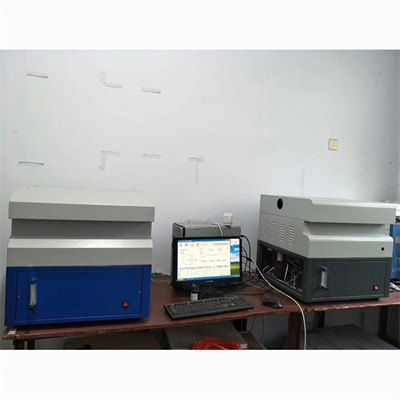
4. Confirm and start: After the input is completed, confirm again that the temperature setting is correct, press the confirm button, and the calorimeter will run according to the set temperature.
Key Notes:
Temperature stability control: After setting the temperature, pay attention to the temperature stability of the instrument. If the temperature fluctuates too much, it will not only affect the experimental accuracy, but also may damage the instrument parts. Once there is a fluctuation, check the cause in time, such as checking the heat dissipation and sealing of the instrument.
Periodic calibration: To ensure accurate temperature setting, the temperature of the calorimeter needs to be calibrated regularly. Use a standard thermometer or calibration equipment to compare the temperature displayed by the instrument with the actual temperature. If there is any deviation, adjust the calibration parameters in time.
Mastering the temperature setting method of the calorimeter and strictly following the operating specifications can provide a stable and accurate temperature environment for the experiment, and help the experiment to be completed efficiently and smoothly.
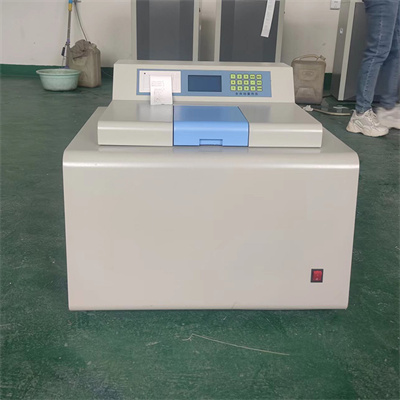 How to read calorimeter data
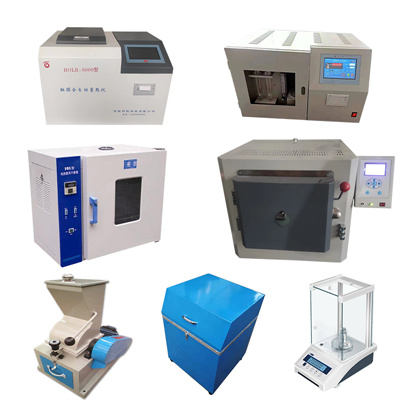 What is the design principle of a calorimeter?
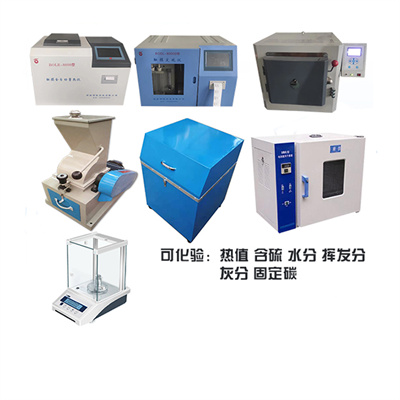 What is the harm of lack of water in the calorimeter?
 What is the input interface of the calorimeter?