How long does the calorimeter start to warm up?
The core significance of calorimeter startup preheating
As the core equipment for accurately detecting the heat of substances, the calorimeter is a key pre-step to ensure the accuracy of the detection data and the stability of the instrument. The core components of the instrument, such as the heating unit, the temperature sensor, etc., have a temperature difference in the cold start state. If the detection is carried out directly, it is easy to cause uneven heat transfer, cause deviation of the detection results, and even affect the service life of the core components of the instrument.
Standard for preheating time of different types of calorimeters
Different models and different technical principles of calorimeters have clear differences in the duration of startup preheating, which requires strict reference to the equipment manual.
1. Conventional constant temperature calorimeter: This type of instrument is widely used, and it is recommended to preheat for 30-60 minutes after starting. It is necessary to ensure that the heating system reaches a stable working temperature, the temperature sensor is calibrated, and the temperature fluctuation value displayed by the instrument is stable within ± 0.1 ° C before entering the detection process.
2. Adiabatic calorimeter: Due to its higher requirements for ambient temperature stability, the preheating time usually takes 60-90 minutes. Not only to stabilize the internal heating system, but also to ensure that the internal and external temperatures of the instrument reach a balanced state to avoid ambient temperature interfering with the detection results.
3. Automatic calorimeter: Some intelligent automatic calorimeters have a fast preheating function, and the preheating time can be shortened to 20-40 minutes. However, it is still necessary to confirm that the instrument has passed the self-test and the parameters are displayed normally before putting it into formal use.
Key factors affecting the warm-up time
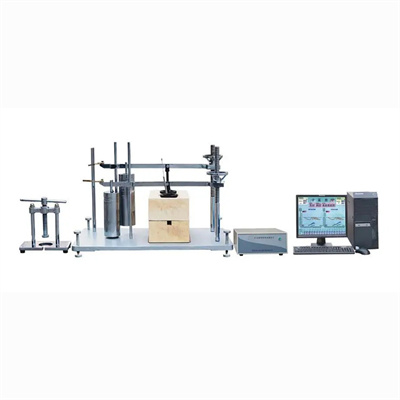
1. Ambient temperature: When the ambient temperature is low in winter, the heating speed of the instrument slows down, and the preheating time needs to be extended by 10-20 minutes; in summer, the ambient temperature is suitable and can be operated according to the standard duration.
2. Frequency of instrument use: For long-term idle calorimeters, the temperature of the core components is consistent with the ambient temperature, and the preheating time needs to be increased; for daily high-frequency instruments, the preheating time can be appropriately shortened.
3. Equipment aging: The heating efficiency of outdated instruments decreases. To ensure temperature stability, the preheating time needs to be extended, and the equipment needs to be maintained regularly.
Precautions for warm-up operation
1. Prohibited operation during preheating: During the preheating process, do not open the instrument compartment door and put samples in to avoid disrupting the internal temperature balance and affecting the preheating effect.
2. Calibration verification after preheating: After preheating is completed, a blank test or standard sample test is required to confirm that the data is stable and accurate before formal testing is carried out.
3. Standardize the recording operation: It is recommended to establish an instrument usage ledger to record the warm-up time, ambient temperature and test results of each boot in detail, which is convenient for tracing problems and optimizing the operation process.
Mastering the standard operation of the calorimeter's startup preheating can not only ensure the accuracy and reliability of the test results, but also prolong the service life of the instrument, laying a solid foundation for the experiment and detection work.
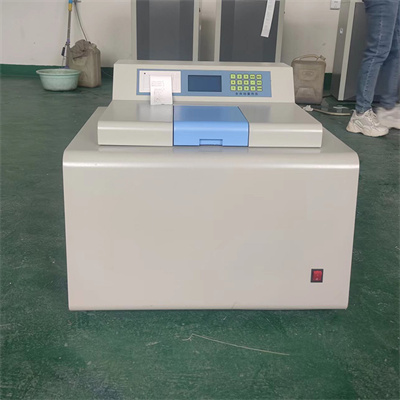 How to read calorimeter data
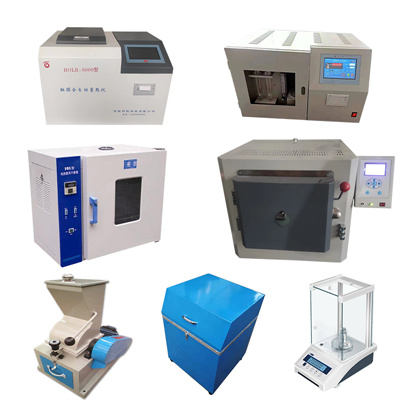 What is the design principle of a calorimeter?
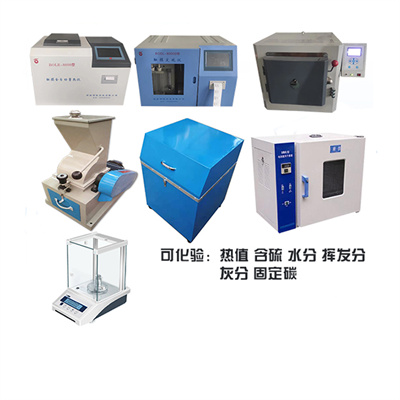 What is the harm of lack of water in the calorimeter?
 What is the input interface of the calorimeter?