How to Drain a Calorimeter Video
The importance of calorimeter drainage
As a key instrument for accurately measuring heat, the calorimeter may accumulate moisture internally due to factors such as environmental humidity and sample residue during daily use. If it is not drained in time, it will not only affect the measurement accuracy, but also damage the core components of the instrument and shorten the service life of the instrument. Therefore, mastering the correct drainage method of the calorimeter is a necessary operation to ensure the stable operation of the instrument and ensure the accuracy of the measurement data.
Preparation before drainage
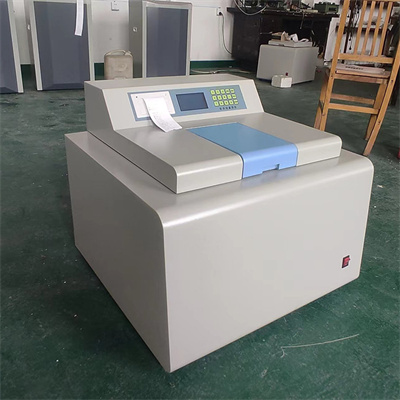
Before carrying out the drainage operation of the calorimeter, it is necessary to be fully prepared. First, turn off the power supply of the instrument to avoid the risk of electric shock caused by accidental touch of the switch during operation and ensure the safety of the operator. Second, prepare clean absorbent cotton cloth, special drainage tools and dry storage containers to ensure that the discharged water can be effectively collected during the drainage process and prevent liquid spillage from polluting the surrounding environment. At the same time, consult the instruction manual of the calorimeter to clarify the location and structural characteristics of the discharge port of the instrument, so as to know.
Specific drainage operation steps
The first step is to locate the drain port. Different models of calorimeters have different positions of the drain port, usually located at the bottom or side of the instrument. Carefully check the appearance of the instrument and mark it in accordance with the instructions to accurately find the drain port. The drain port of some calorimeters will have a protective cover. You need to gently open the protective cover to expose the drain port.
The second step is to connect the drainage device. Connect one end of the prepared drainage hose tightly to the drain port to ensure that the connection is firm and prevent water leakage during the drainage process. The other end is connected to a dry storage container to collect the discharged moisture. If there is no special drainage hose, you can use a clean absorbent cotton cloth to slowly guide the moisture to the container.
The third step is to drain slowly. Open the valve of the drain or gently squeeze the relevant parts of the instrument to slowly discharge the internal water. During the drainage process, it is necessary to control the speed to avoid sudden changes in the internal pressure of the instrument due to excessive drainage and damage to the components of the instrument. At the same time, closely observe the drainage situation. When the amount of water discharged is significantly reduced until no more water flows out, the drainage can be stopped.
The fourth step is to clean up and check. After the drainage is completed, wipe the surface of the instrument and the residual moisture around the drain with a clean absorbent cotton cloth to ensure that the instrument is dry. Then, check whether the drain is closed tightly to prevent water leakage during subsequent use.
Precautions after drainage
After completing the drainage operation, do not turn on the power supply of the instrument immediately. You need to wait for the inside of the instrument to be fully dry. Generally, let it stand for about 30 minutes. At the same time, conduct a comprehensive inspection of the instrument to confirm that all components are connected normally and no moisture remains. In daily use, regularly perform drainage maintenance on the calorimeter. It is generally recommended to check it once a month. Adjust the maintenance frequency appropriately according to the use environment to ensure that the instrument is always in the best working condition.
Through the above simple and clear operation steps, you can easily complete the drainage work of the calorimeter, ensure the accurate operation of the instrument, and provide a reliable guarantee for accurate measurement.
 How to read calorimeter data
 What is the design principle of a calorimeter?
 What is the harm of lack of water in the calorimeter?
 What is the input interface of the calorimeter?