How to oxygenate a calorimeter
calorimeters play a key role in various types of calorific value detection work, and oxygenation, as its core operation link, is directly related to the accuracy of the test results. Mastering the correct oxygenation method can not only ensure the stable operation of the equipment, but also build a reliable line of defense for the experimental data. The following is a detailed introduction to the oxygenation process of calorimeters.
Preparation before oxygenation
Before starting the oxygenation operation, a comprehensive inspection of the calorimeter is required. To confirm that the pressure of the oxygen cylinder is within the normal range, it is generally necessary to ensure that the pressure is not lower than the specified threshold to avoid affecting the oxygenation effect due to insufficient pressure; at the same time, check the connecting pipeline to ensure that there is no damage or leakage. If there are aging parts, they need to be replaced in time. In addition, the oxygen bomb parts of the calorimeter should be cleaned to remove surface impurities and prevent impurities from interfering with the subsequent oxygenation and combustion process, so as to lay a solid foundation for the oxygenation
Standardize oxygenation operation steps
The first step is to connect the oxygenation device. Precisely connect the pressure reducing valve of the oxygen cylinder with the oxygenation interface of the calorimeter, and tighten the interface nut to ensure that the connection is firm and not loose to prevent oxygen leakage during oxygenation. The second step is to open the oxygen valve. Slowly open the main valve of the oxygen cylinder, and then adjust the pressure reducing valve to stabilize the output pressure at the standard pressure specified by the calorimeter, usually 2.8-3 MPa. Too high or too low pressure will affect the experimental results. The third step is to perform the oxygenation action. Press the oxygenation button of the calorimeter to keep the oxygenation time at 15-20 seconds to ensure that the oxygen in the oxygen bomb is sufficient. Close the oxygen valve after the oxygenation is completed.
Inspection and precautions after oxygenation
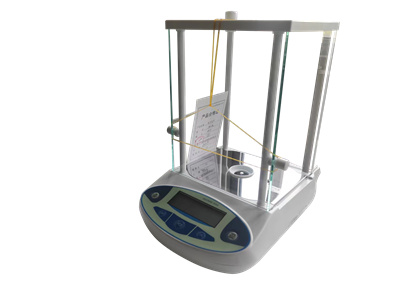
After the oxygenation is completed, the oxygen bomb needs to be checked immediately for air leakage. The oxygen bomb can be immersed in water to observe whether there are bubbles popping up. If there are bubbles, the interface needs to be re-tightened or the sealing parts need to be replaced. In addition, the oxygen pressure and oxygenation time should be recorded after each oxygenation to facilitate subsequent traceability. Special attention should be paid to the fact that it is strictly forbidden to approach an open flame during the oxygenation process, and the operator needs to wear protective equipment to avoid safety risks caused by improper operation.
By mastering the above oxygenation process and strictly following the operation specifications, the oxygenation work of the calorimeter can be easily completed, providing a strong guarantee for accurate detection and assisting in the efficient development of various calorific value detection work.
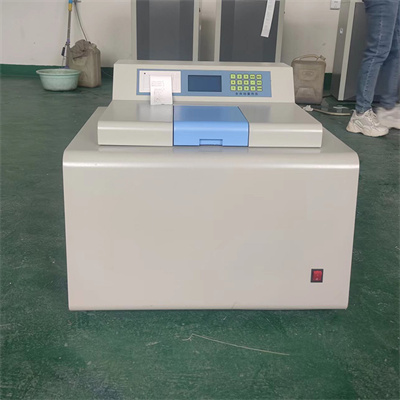 How to read calorimeter data
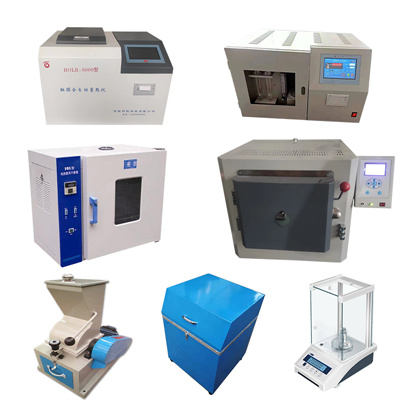 What is the design principle of a calorimeter?
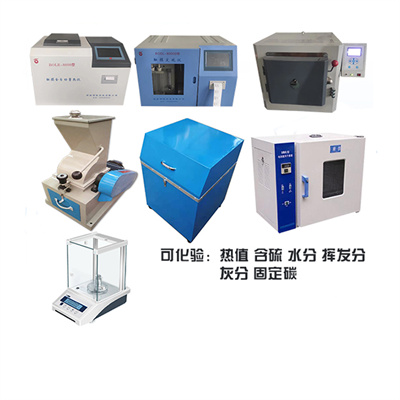 What is the harm of lack of water in the calorimeter?
 What is the input interface of the calorimeter?