Low calorific value fuels detected by coal testing equipment
Low calorific value fuels detected by coal testing equipment
Low calorific value fuel, also known as inferior fuel, refers to coal that can be used as fuel without counting raw coal production. It has the characteristics of low fixed carbon, low calorific value (calorific value is 1 2544.8 kilojoules per kilogram = 3000 kcal or less), high ash content (ash content greater than 40%) or high moisture. Low calorific value fuels include:
L. Stone coal, refers to the growth of ancient strata in the rot of anthracite coal, stone coal has a variety of names, such as called carboniferous, silver charcoal, sand charcoal, slate coal, hemp coal, etc. Stone coal has a higher degree of metamorphism, compared with ordinary anthracite, generally has the characteristics of high ash, high sulfur, low carbon, low calorific value. Ash content is generally 60% to 80%, calorific value is about 1000 kcal to 1500 kcal/kg, and the high is more than 2000 kcal/kg. Sulfur content is mostly 2% to 4% or even more. Stone coal can be used for power generation. It can also be used as fuel for boiling boilers. Due to the presence of a variety of rare elements in many stone coals, in addition to being used as fuel, it can also be used for comprehensive utilization and fertilizer production, such as firing cement, lime, and internal combustion bricks and tiles, as well as the production of calcium, magnesium, phosphorus, phosphorus, potassium, phosphorus, calcium, and other inorganic compound fertilizers.
2. Peat, also known as peat or peat, is a transitional product of grass and wood plants into lignite. It is a flammable useful mineral with an obvious colloidal structure. The appearance is mostly tan, with a small specific gravity and a large moisture content (the newly mined peat moisture can reach about 60% to 90%). The dry base ash content is generally about 10% or higher. Since peat resources are only a few meters or more from the surface, it is used as fuel after local development. Some are made into humic acid fertilizers for field operations. In industry, peat can also be made into fiberboard and other building materials and thermal insulation materials. Humic acid and its salts extracted from peat can be used to make dyes, coatings, etc.
3. Weathered coal, which is an outcrop of lignite, bituminous coal, and anthracite, has a high humic acid content, low heat, and is not easy to burn. Its industrial value and comprehensive utilization are somewhat similar to that of peat.
4. Coal gangue, coal gangue is a kind of high ash, low carbon content, low calorific value, and black muddy rock that is harder than coal during the process of coal formation and coal production. The ash content is 40% to 50% or more, the carbon content is 20% to 30%, and the calorific value is 800 to 1500 kcal/kg, sometimes as high as 1500 to 3000 kcal/kg. Coal gangue contains silicon, lead, calcium, magnesium and certain rare elements, and its comprehensive utilization range is very wide, mainly in the following aspects: (1) making fuel for boiling boilers; (2) making cement or concrete products; (3) producing building materials, making coal gangue bricks; (4) manufacturing gas; (5) extracting chemical products; (6) making fertilizers; (7) for power generation.
5. Oil shale Oil shale is a kind of shale, marl or gray rock, which is easy to ignite with matches. When burned, the flame has black smoke and bituminous smell. Oil shale contains 40% to 70% ash, and the dry base calorific value is generally 2000 kcal to 3000 kcal/kg. Artificial crude oil can be obtained by dry distillation. Ash slag can be used to make cement, bricks, artificial stone and fertilizers. Due to the low calorific value of low calorific value fuels and large ash content, the utilization must be technically feasible, economically reasonable, and environmentally friendly. Adhere to the principle of local utilization. Comprehensive utilization is the way to go.

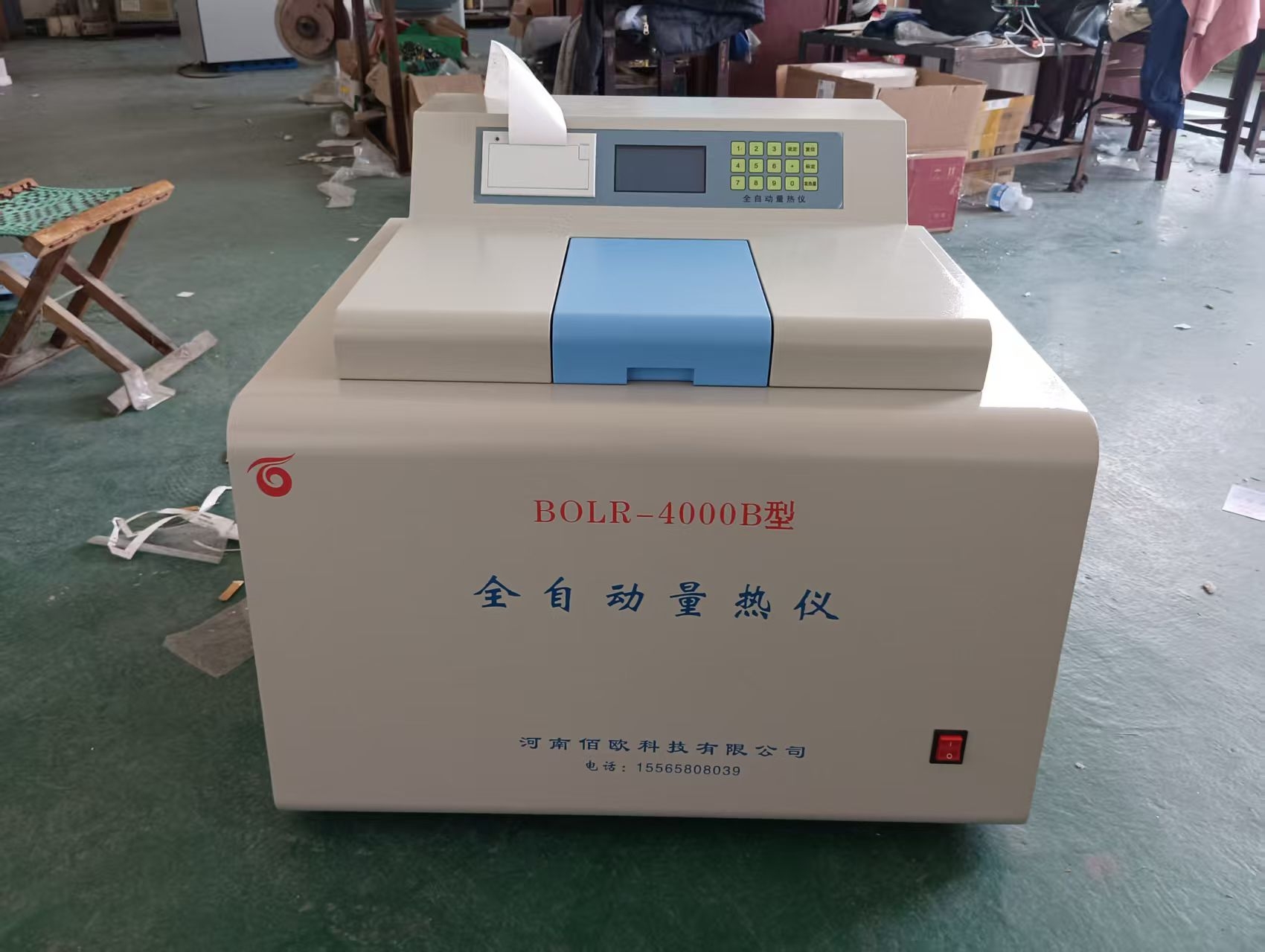 Coal testing instruments: key technologies for accurately de
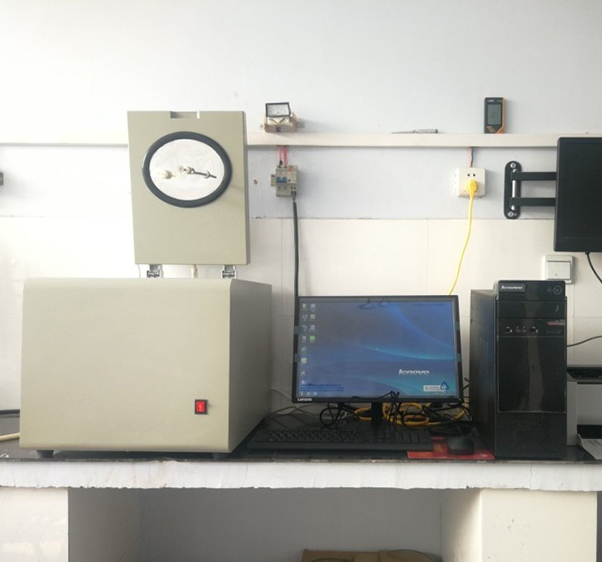 Preparation before installation of a fully automatic calorim
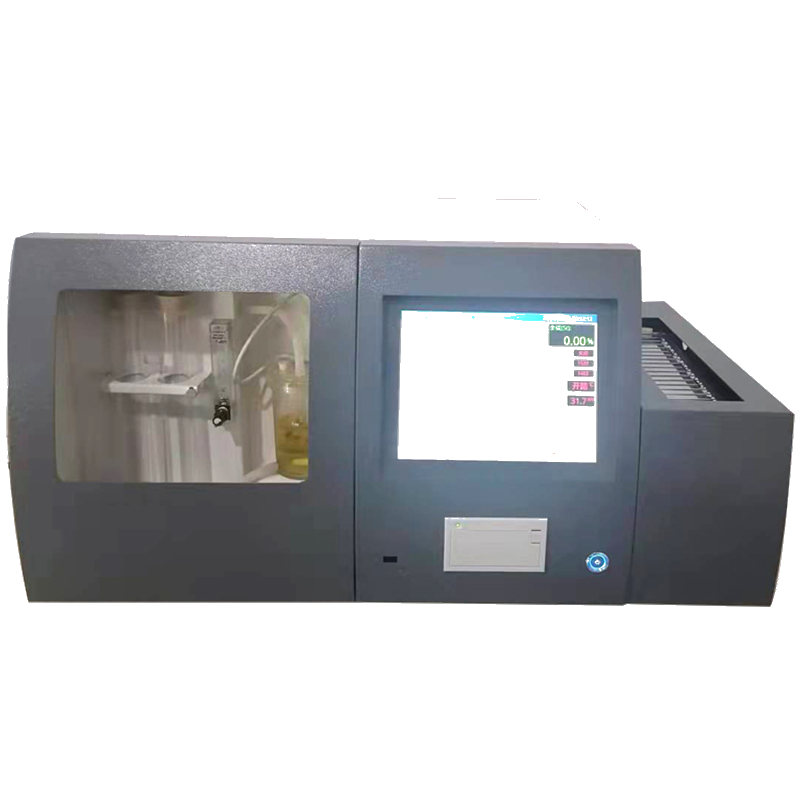 Technical parameters of multiple sulfur determiner
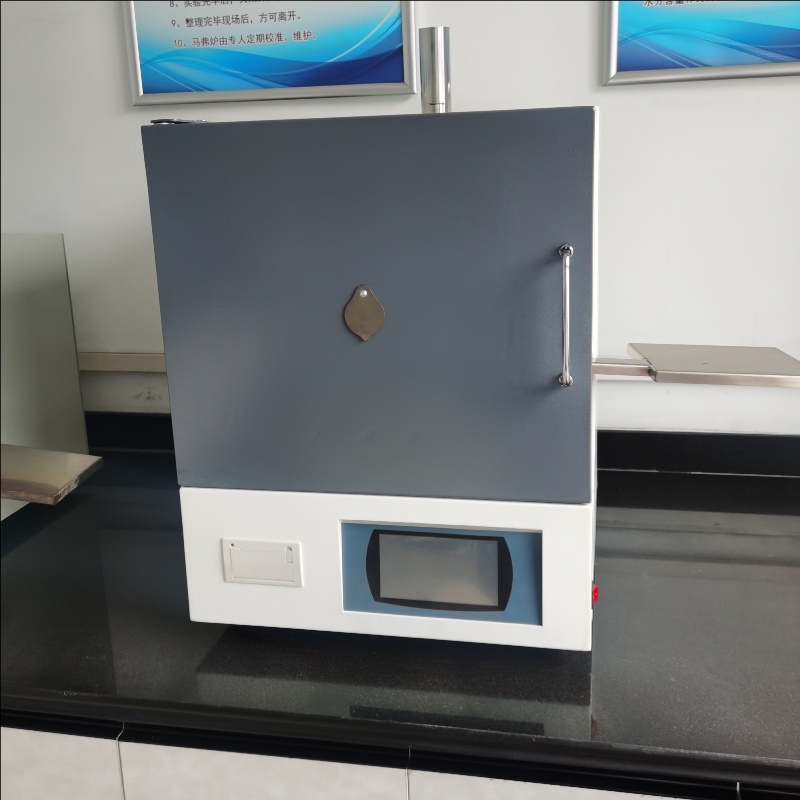 Setting Method of Self-selection Program of Intelligent Inte