Calibration Method of Microcomputer Automatic Calorimeter
Calibration Method of Microcomputer Automatic calorimeter
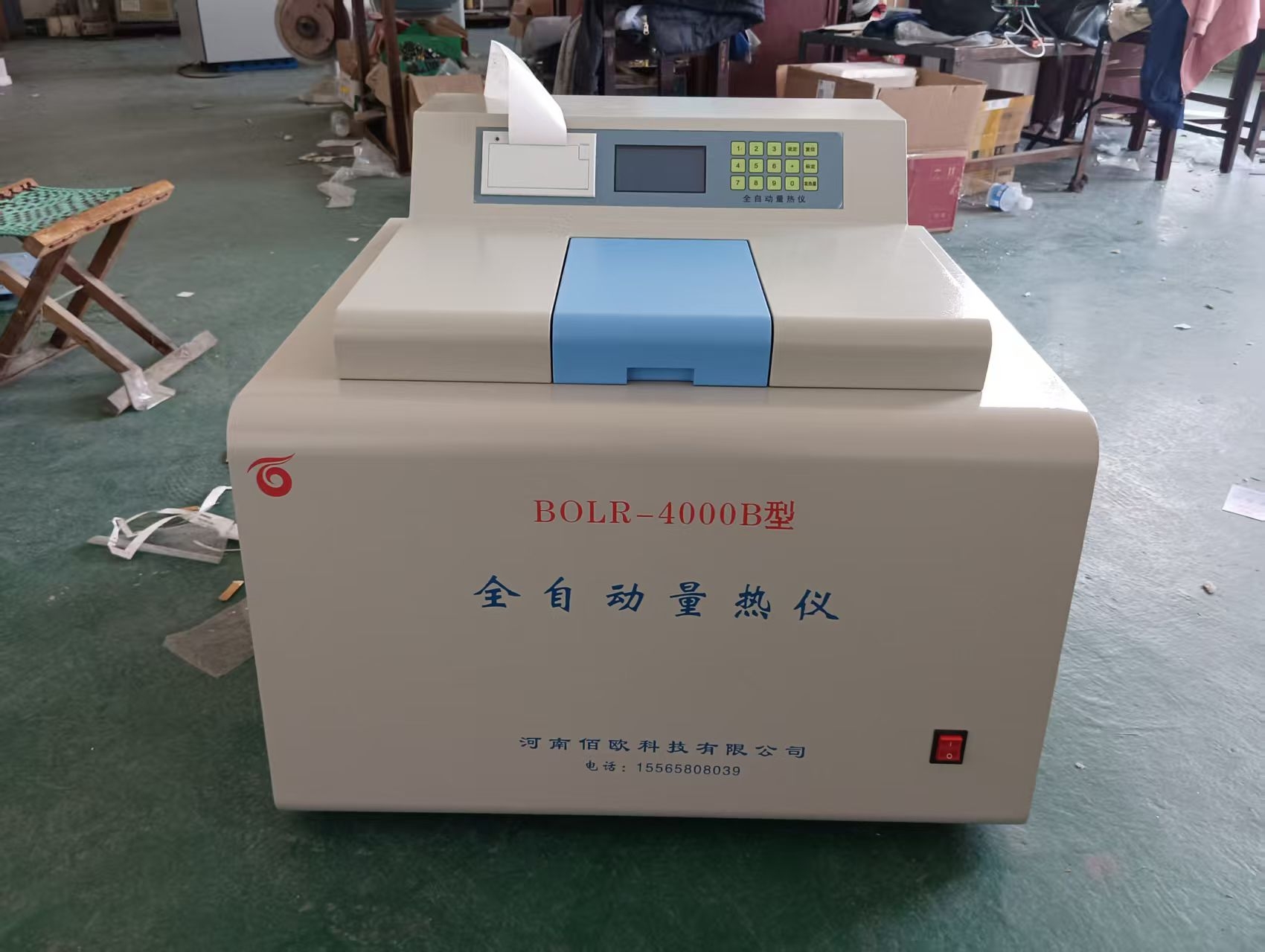
The microcomputer automatic calorimeter is a microcomputer-controlled constant temperature oxygen bomb calorimeter, suitable for measuring the combustion calorific value of solid and liquid combustibles such as coal, petroleum, food, wood, etc. It belongs to the coal quality analysis instrument and is widely used in laboratories of coal, electric power, petroleum, chemical industry, grain, geology, scientific research and technical supervision departments.
The ambient temperature has changed, and the heat capacity has also changed. It is time to regularly calibrate the instrument. Without correction, the instrument is inaccurate. Now I will briefly analyze the calibration method of the microcomputer automatic calorimeter for your reference.
First, the definition of heat capacity of a microcomputer automatic calorimeter
The amount of heat required for a calorimeter system to rise by 1K under test conditions is called the heat capacity of the calorimeter, and is also conventionally called the water equivalent, expressed in J/K (or cal/℃).
Second, the microcomputer automatic calorimeter calibration environmental requirements
1. The laboratory should be located in a separate room, and no other test items should be conducted simultaneously in the same room.
2. The calorimeter room should be kept as constant as possible, and the change in room temperature should not exceed 1K for each measurement. Usually, the room temperature should not exceed the range of 15 to 35 degrees Celsius.
3. There should be no strong air convection in the room, so there should be no strong heat sources or fans. During the test, doors and windows should be avoided.
4. The laboratory faces north to avoid sunlight, otherwise the calorimeter should be placed in a place protected from direct sunlight.
Third, the calibration method of heat capacity of microcomputer automatic calorimeter
1. Click the radio box before "Heat Capacity" to enter the heat capacity measurement state of the calorimeter system.
2. The process of heat capacity testing is similar to that of heat generation testing. During use, the system is regularly tested for energy equivalence to truly reflect the change in heat capacity of the system. When measuring the heat capacity during the same period, the newly defined same number must be used. The test can be carried out continuously or intermittently, but the same number must still be used.
3. Benzoic acid should be pre-dried in a dryer containing concentrated sulfuric acid for 3 days or in an oven at 60-70 ° C for 3-4 hours. When the thermal capacity of a microcomputer calorimeter is calibrated, the results are automatically displayed on the right side of the form. Users can choose the experimental results by themselves (check the number in the box before the number as selected, otherwise it is abandoned). The system automatically judges the average value and range of these results. If it meets the requirements of the national standard, please click the save button below to save the final results for the use of heat generation of the test sample. If it does not meet the requirements of the national standard, add the test until the requirements are met (note: the same number prohibits more than seven experiments). If the seven experiments still fail to meet the requirements, it may be caused by system failure or the entire operation process is not standardized Please check carefully to find out the cause before conducting the test.
Fourth, the microcomputer automatic calorimeter reverse calibration
1 Click the radio box before "Calorific value" to enter the calorimeter's calorific value measurement state.
2. Weigh 1g of benzoic acid accurately, take it as a coal sample to test the calorific value of the cartridge, and compare it with the standard calorific value. It is qualified within 50 joules.

 Coal testing instruments: key technologies for accurately de
 Preparation before installation of a fully automatic calorim
 Technical parameters of multiple sulfur determiner
 Setting Method of Self-selection Program of Intelligent Inte