How to detect the calorimeter
Detection principle of calorimeter
The calorimeter is based on the laws of thermodynamics and accurately calculates the calorific value of a substance by measuring the heat released or absorbed when it reacts under specific conditions. The core principle is that when the sample to be tested is fully burned in a closed environment such as an oxygen bomb, the released heat will increase the temperature of the calorimeter system. The instrument captures the temperature change through a high-precision temperature sensor, and combines the heat capacity and other parameters to calculate the calorific value through the formula.
Preparation before testing
1. Instrument inspection: Before starting the machine, carefully check whether the appearance of the calorimeter is damaged, whether the connecting parts are stable, and especially confirm the air tightness of the oxygen bomb. If there is any air leakage, it will seriously affect the test results.
2. Environmental calibration: Ensure that the laboratory temperature is stable and avoid large temperature fluctuations interfering with the detection. At the same time, according to the instrument manual, the heat capacity of the calorimeter is calibrated to lay an accurate foundation for subsequent testing.
3. Sample processing: Grind the sample to the specified particle size to ensure that the sample is uniform and meets the testing requirements, accurately weigh the sample quality, and record the data.
Detection operation steps
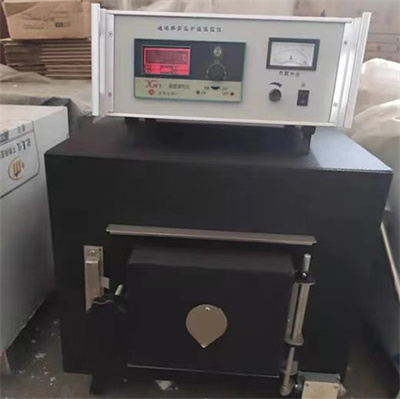
1. Sample loading and installation: put the weighed sample into the combustion dish, place the combustion dish in the oxygen bomb, and install the ignition wire to ensure a good connection. Then load the oxygen bomb into the main body of the calorimeter and close the lid of the instrument.
2. Parameter setting: On the instrument operation interface, enter key parameters such as sample quality and heat capacity, set the appropriate detection mode, and start the detection program after confirming that it is correct.
3. Data monitoring: During the detection process, closely observe the temperature change curve of the instrument. When the reaction is over, the instrument automatically completes data collection and calculation, and records the final detection results.
Precautions after testing
After the test is completed, take out the oxygen bomb in time to check whether the combustion is complete, clean the inside of the instrument, and keep the equipment tidy. Regularly maintain and maintain the calorimeter and calibrate key components to ensure that the instrument is always in the best detection state and ensure the accuracy of subsequent test results.
 How to read calorimeter data
 What is the design principle of a calorimeter?
 What is the harm of lack of water in the calorimeter?
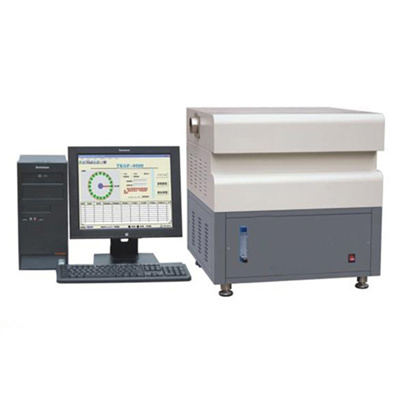 What is the input interface of the calorimeter?